Budget Battle Erupts in Nation’s Capital Over Opioid Settlement Money
Washington, D.C.’s 2027 fiscal-year blueprint reflects a debate playing out around the U.S.: whether opioid settlement money should be used to free up taxpayer dollars by paying for existing responsibilities instead of new programs.
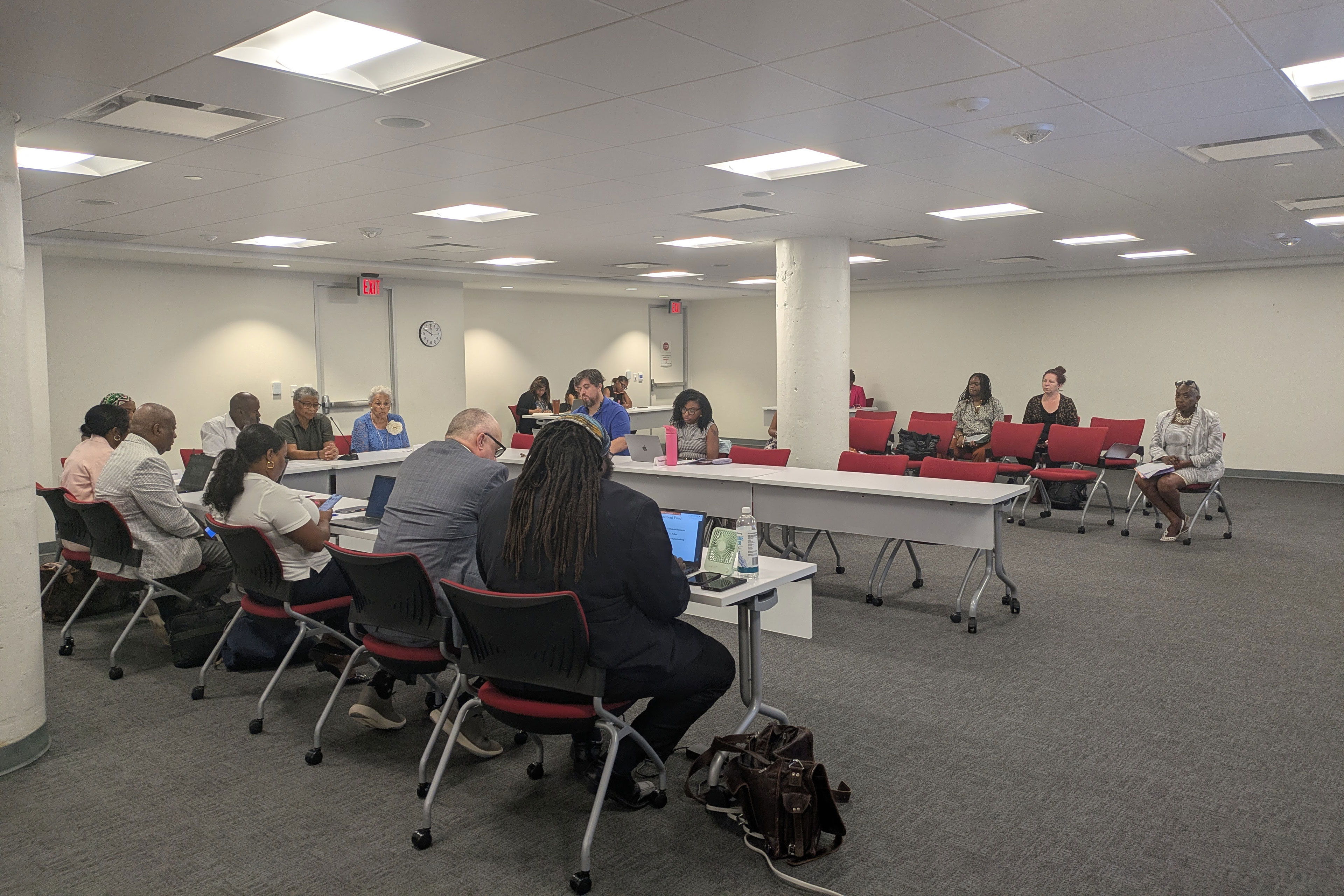
A budget dispute has erupted in Washington, D.C., over the allocation of opioid settlement funds meant to address the city's addiction crisis. D.C. previously financed Medicaid using its general budget, but next year, a portion of the cost will be covered by these settlement dollars. This shift has raised concerns among addiction recovery advocates, affected individuals, and the commission responsible for recommending the city's use of the settlement funds.
The opioid payouts stem from companies that produced or distributed prescription painkillers and contributed to the overdose crisis. Nationwide, states and local governments will receive over $50 billion over the next two decades, with D.C.'s share expected to surpass $100 million.
The funds are intended to improve services and create new programs to combat the addiction crisis. However, some officials have considered using the opioid settlement cash as a budget stopgap measure, which has sparked opposition from recovery advocates and those directly impacted by opioid addiction and their families. Queen Adesuyi, a harm reduction advocate and partner at Reframe Health and Justice, argues that these funds were allocated for specific, innovative purposes and that substituting them for general funding is inappropriate.
Shelly Weizman, associate director at Georgetown Law's O’Neill Institute, emphasizes that opioid settlement dollars are not meant to serve as a "rainy-day fund" for existing government obligations.
More than 80 individuals and 30 city organizations have signed a letter protesting this use of settlement dollars, stating that the district's Department of Behavioral Health (DBH) plans to use the funds to "pay off its own debts." Chad Jackson, chair of the district's Opioid Abatement Advisory Commission, views the move as "supplantation," a budgeting tactic that transfers money from one fund to another.
The law governing the opioid abatement fund mandates that the settlement money should "supplement, and not supplant" existing expenses. Adesuyi and others contend that the council is disregarding the law and that this action is a "slap in the face" to programs aimed at helping people struggling with opioid addiction.
Written by urgent.news from KFF Health News's reporting — not their text. Machine-written — may contain errors; check the original before relying on it.