An Ode to Pro Wrestling, the Ultimate Underdog Story
People can be surprised when they hear that I wrote a novel that centers professional wrestling. Someone like me–a Brown person raised in Bangladesh in their early 30s–isn’t what one thinks of when it comes to the typical wrestling fan.
When I pen a novel revolving around professional wrestling, one might be taken aback. A brown individual, raised in Bangladesh during their early 30s, is not the archetype one would envision for a typical wrestling enthusiast. Mainstream wrestling companies, often run by white men in suits, portray towering individuals boasting about masculinity and battling each other.
However, wrestling's allure extends beyond this stereotype. Wrestling can captivate lonely 20-somethings, misunderstood outsiders, and creative misfits. As a fan, I discovered wrestling as a child in the early 2000s, an only child seeking entertainment and outlets for my imagination. The initial match I witnessed introduced me to the concept of mortality.
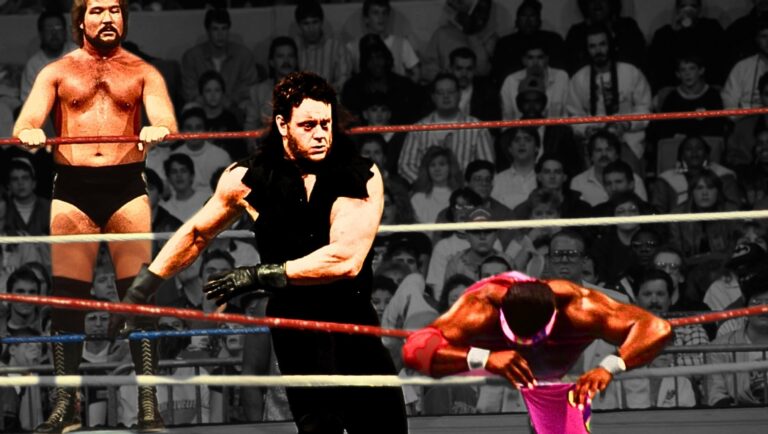
Survivor Series 2003 showcased the formidable wrestler known as The Undertaker. As his on-screen brother Kane, clad in burial attire, triumphed, I was enthralled by the spectacle. Initially, I only viewed men's wrestling, which I now recognize as a result of repressed gender envy. Wrestling, with its brutal displays of violence, was a surreal and captivating experience.
I was hooked on predicting the outcome and the triumph of the good guy. Wrestling continued to resonate with me as it provided solace to a nerdy, bullied individual who struggled to express frustrations and desires. The sport offered a venue where the good guys emerged stronger. Initially, I only watched men's wrestling. Part of this was, now I understand, repressed gender envy.
I was enthralled by the muscular displays, the ease with which they lifted and threw each other, and the commanding voices of the wrestlers. However, wrestling's program also relegated women to the sidelines, often objectifying them. Moreover, the racial dynamics were deeply discomforting, with heels often portrayed by people of color, perpetuating racial stereotypes.
I abandoned wrestling for a few years, but the resurgence of women's wrestling drew me back around 2015. A social media movement encouraged WWE to provide female wrestlers with a more prominent stage, and the company gradually responded. Women gained more significant screen time, storylines, and longer matches. Concurrently, the women's and men's roster began to include wrestlers of color, LGBTQ+ wrestlers, and wrestlers of diverse body types.
This era of increased representation for underrepresented wrestlers and stories attracted more diverse individuals to the fanbase. The first live wrestling show I attended was at TD Garden in Boston, where women had main evented one of WWE's Premium Live Events. The audience was electrified, cheering emphatically as the women performed.
People of all genders, ages, and backgrounds were invested, holding supportive signs and donning the women's merchandise. This was an experience I would never have imagined as a child. The women had transformed the fandom. The strength of fandom and communities formed by a shared love for something can be a source of immense joy.
I was so inspired by the experience that I created a Tumblr account dedicated to women's wrestling, inviting followers from diverse backgrounds, particularly fans of women's wrestling. The response was overwhelming, with messages pouring in about how women's wrestling had inspired people, helped them cope with mental health issues, and taught them valuable lessons through watching wrestling.
Each day, I logged on to discuss the day's events with my new friends, liveblogging the events, creating GIFs of noteworthy action, and critiquing wrestlers who were problematic off-screen. During my senior year of college, the loneliness that followed was alleviated by the community I found through fans like me. That community inspired me to write my debut novel, Appetite.
In the novel, the protagonist Zarina finds solace in connecting with other fans of her favorite wrestler, Sierra Myst. The novel expands Zarina's world, showcasing the power of fandom and community. Wrestling, as a performance, allows wrestlers to experiment with character, costumes, and storyline, creating an engaging and memorable experience for the audience.
When wrestlers star beyond the traditional big, beefy, cishet white guy, the fandom becomes even more imminent. If you haven't yet explored a wrestling show, now is the time. It's cool, weird, and unpredictable. Find your favorite wrestler, root for them through their ups and downs. I guarantee you won't be disappointed.
Written by urgent.news from Literary Hub's reporting — not their text. Machine-written — may contain errors; check the original before relying on it.