The resilience of Peronism and Milei's break: a book that explains Argentina
Em sua campanha à Presidência, uma das promessas mais barulhentas de Javier Milei foi a de extinguir o Banco Central da Argentina. Milei não levou isso adiante, mas acabou de apresentar um projeto que, se aprovado, vai impedir que o BC financie “de forma direta ou indireta o Fisco” – fechando uma histórica fonte de […] The post A resiliência do peronismo e a ruptura de Milei: um livro que explica…
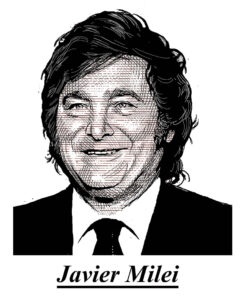
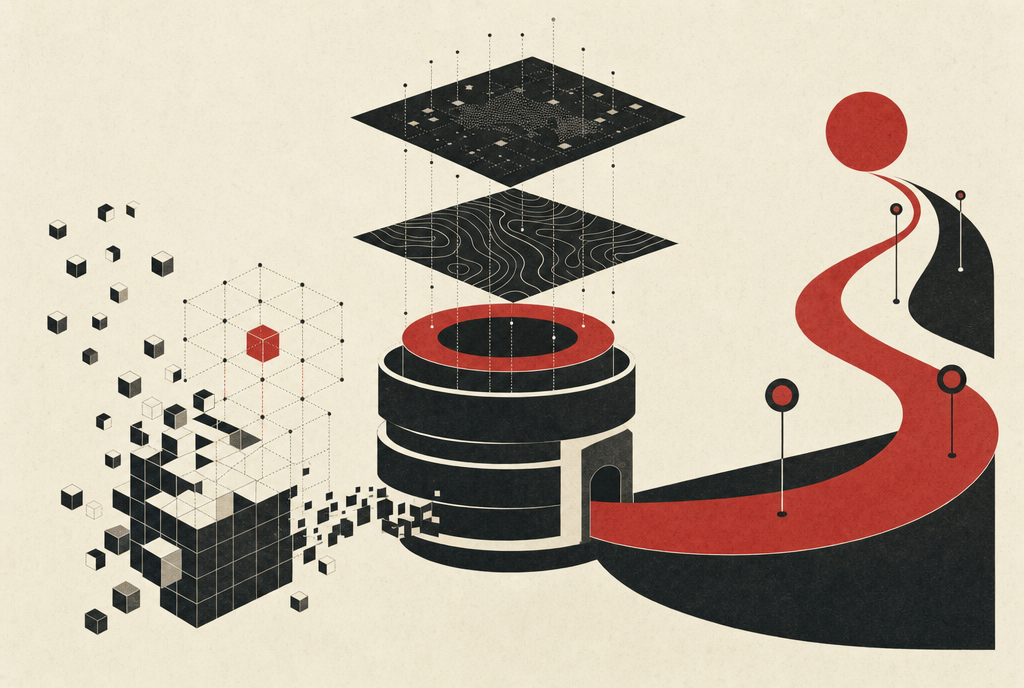
During his presidential campaign, one of Javier Milei's loudest promises was to abolish the Central Bank of Argentina. Milei did not follow through on this, but he has just presented a project that, if approved, will prevent the BC from directly or indirectly financing the Treasury - closing a historical source of inflationary liquidity, as happened in Brazil until the 1980s.
Milei's goal is, in his words, "to put an end to 91 years of robbery," a reference to the recurrent political use of the institution since it was founded in 1935. The proposal also gives autonomy to the BC in a similar way to Brazil. The dismissal of directors can only occur with two-thirds of the votes in the Senate and the Chamber.
The law also provides for a 'fiscal brake': in the case of prolonged budget imbalance, there would be a shutdown of non-essential activities; and in addition, congressmen and high-ranking authorities would not receive their salaries until the budget returns to the positive. Approving the proposal will be quite a battle in a country where Peronist populism - with disciples across the political spectrum - shows no signs of leaving the scene, as Fabio Giambiagi shows in his latest book, Argentina para Brasileiros: un país de película.
Born in Rio de Janeiro to Argentine parents, raised in Buenos Aires, and for decades based in Rio de Janeiro, the economist has more than enough familiarity with Argentine history. He delves into the historical reasons that led to the decline of his family's country - a nation that until the beginning of the last century shone among the most prosperous on the planet.
If Brazil is the country of the future - and will continue to be, as the joke goes - Argentina seems condemned to be the country of the past. Giambiagi, a collector of phrases, cites several caustic comments from Argentines themselves that help elucidate the soul of the hermanitos. "Argentina is a reasonably mediocre country, for which it is very complicated to deal with mediocrity, since it has very ingrained beliefs that lead it to suppose that it should be something much better than it actually is," summarized essayist Alejandro Katz.
The Argentine pretension has some reason to be. In per capita income, the country was once the richest in the world at the end of the 19th century. But, as Giambiagi explains, political fragmentation, conflicts between regional caudillos, and a series of coups led the country off track - especially after Peronism. Colonel Juan Domingo Perón was one of the military leaders who led the 1943 coup.
As Minister of Labor, he created labor laws, instituted social benefits, and adjusted pensions. He gained enormous popularity among union leaders - which began to bother the military leadership. In October 1945, Perón was forced to resign from the ministry. The unionists received the dismissal as a coup within a coup. Perón was even detained on charges of subversion.
The crisis reached a new level. Union centers promoted an act in Plaza de Mayo, demanding his release. The demonstration, which would have gathered more than 200,000 people in front of the Casa Rosada, had the decisive support of Perón's wife: actress María Eva Duarte de Perón, who would become known as the protector of the descamisados.
Perón was released and launched his candidacy for the Presidency in the 1946 election. He won and held power for ten years, until he was overthrown by a new military coup in 1955.
According to Giambiagi, Peronist ideology has three basic elements: diffuse nationalism; the defense of an economic system that would be neither capitalist nor socialist; and a position in the global sphere equidistant between the US and the Soviet Union, a "vague third-worldism". The best expression of what this meant in practice for the economy is an emblematic passage from a letter sent by Perón to Chilean President Carlos Ibañez: "My dear friend: give the people everything possible.
When it seems to you that you are giving too much, give more. You will see the results. Everyone will scare you with the specter of economic collapse, but all this is a lie. There is nothing more elastic than the economy, which everyone fears so much because nobody understands it."
Argentine inflation, which remained tediously under control until 1944, soared to two digits, reaching almost 40% in 1951 and 1952. Peronist economic policy was not very different from the national-developmentalism of Getúlio Vargas and the Brazilian military, with high government participation in the economy, large infrastructure works, and distribution of subsidies for import substitution.
After almost two decades in exile in Spain, Perón returned to power in 1973, elected again by popular vote. He died of a heart attack the following year, but Peronism survived as a political force. Different Argentine leaders tested the limits of the economy's 'elasticity' - and the country has since experienced cycles of fiscal and monetary laxity, culminating in episodes of hyperinflation and debt defaults, followed by austerity plans.
Giambiagi goes through successive unsuccessful stabilization attempts, such as Carlos Menem's exchange anchor and the frustration of expectations of a recovery with Mauricio Macri. If we complain about Brazil's poor economic performance over the last four decades, Argentina's has been even more lamentable. Between 1981 and 2023, there were 19 years in which Argentina recorded a decline in GDP, compared to 9 in Brazil.
In December 2023, Milei took over a virtually broken country, without international reserves even after several external debt renegotiation plans. The years of Kirchnerism - the left-wing Peronism - left behind an explosive public debt, close to 160% of GDP, and an economy again on the brink of hyperinflation. Milei has strangled public spending and has been making progress in balancing the economy, but there are doubts about the political viability of persevering in austerity and deepening.
Translated by urgent.news. Machine-written — may contain errors; check the original before relying on it.
This story
This is one outlet's version. Read the fullest account.