A Chatbot-Free Childhood Will Be a Status Symbol
AI is like ultra-processed food for developing brains.
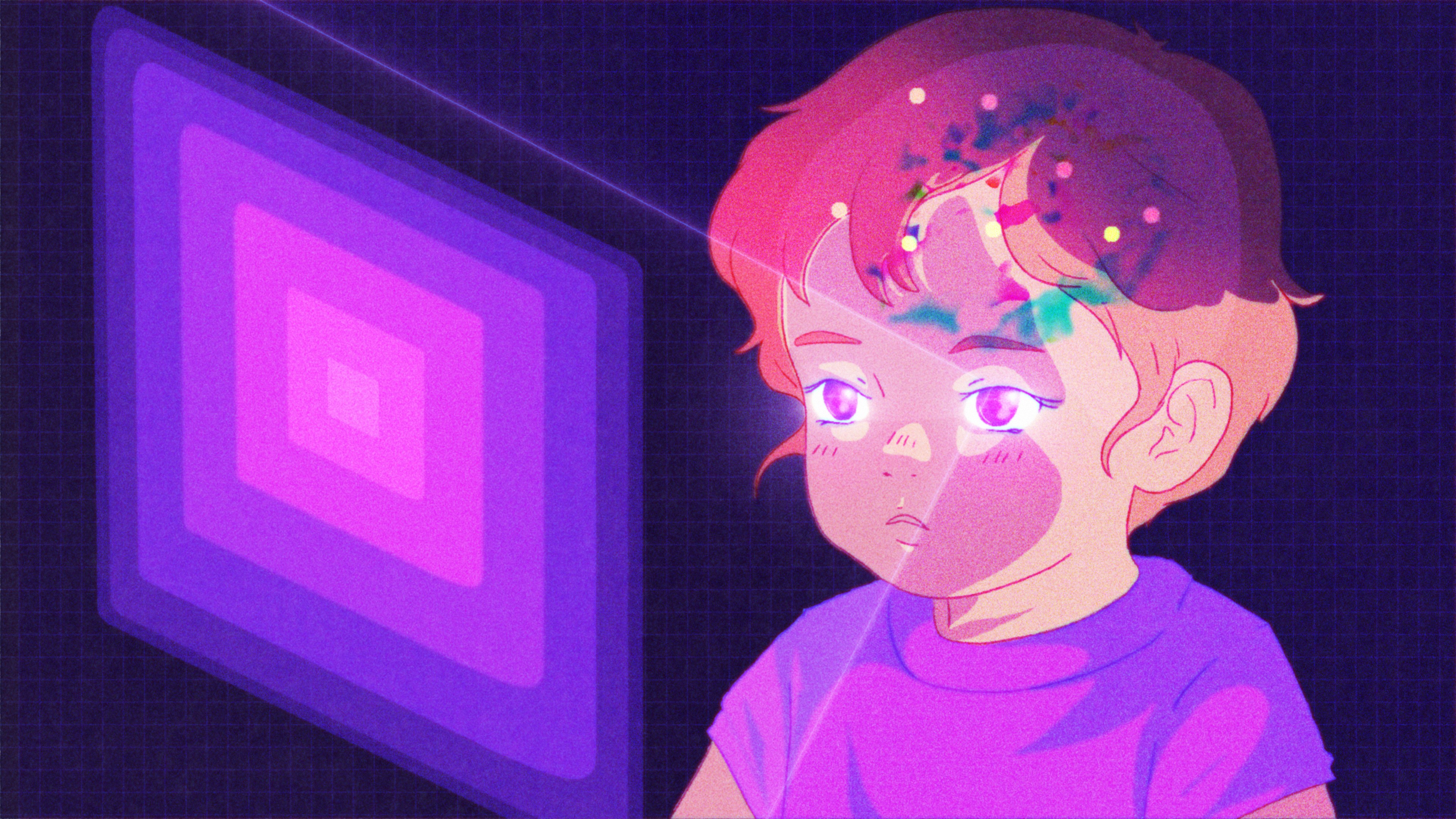
A new generation of artificial intelligence technology is poised to become a status symbol for children, as studies suggest it can mimic the crucial human interactions that shape brain development. These generative AI systems are already making their way into children's lives through devices such as talking plush robots and Alexa chatbots.
While the technology offers real benefits, like early detection of developmental delays and language translation, it also poses significant risks, much like processed food did in the early 20th century. During that time, food manufacturers experimented with additives and preservatives without fully understanding their effects, leading to the establishment of the Pure Food and Drug Act of 1906.
Today, we face a similar moment with AI. The real danger lies in what happens when these systems function as intended, potentially creating ultra-processed "social" experiences for children that lack the genuine human connection essential for brain development. As pediatric professionals, we must recognize that human interaction, though imperfect, is fundamental to a child's well-being and cannot be replicated or replaced by technology.
Written by urgent.news from The Atlantic's reporting — not their text. Machine-written — may contain errors; check the original before relying on it.