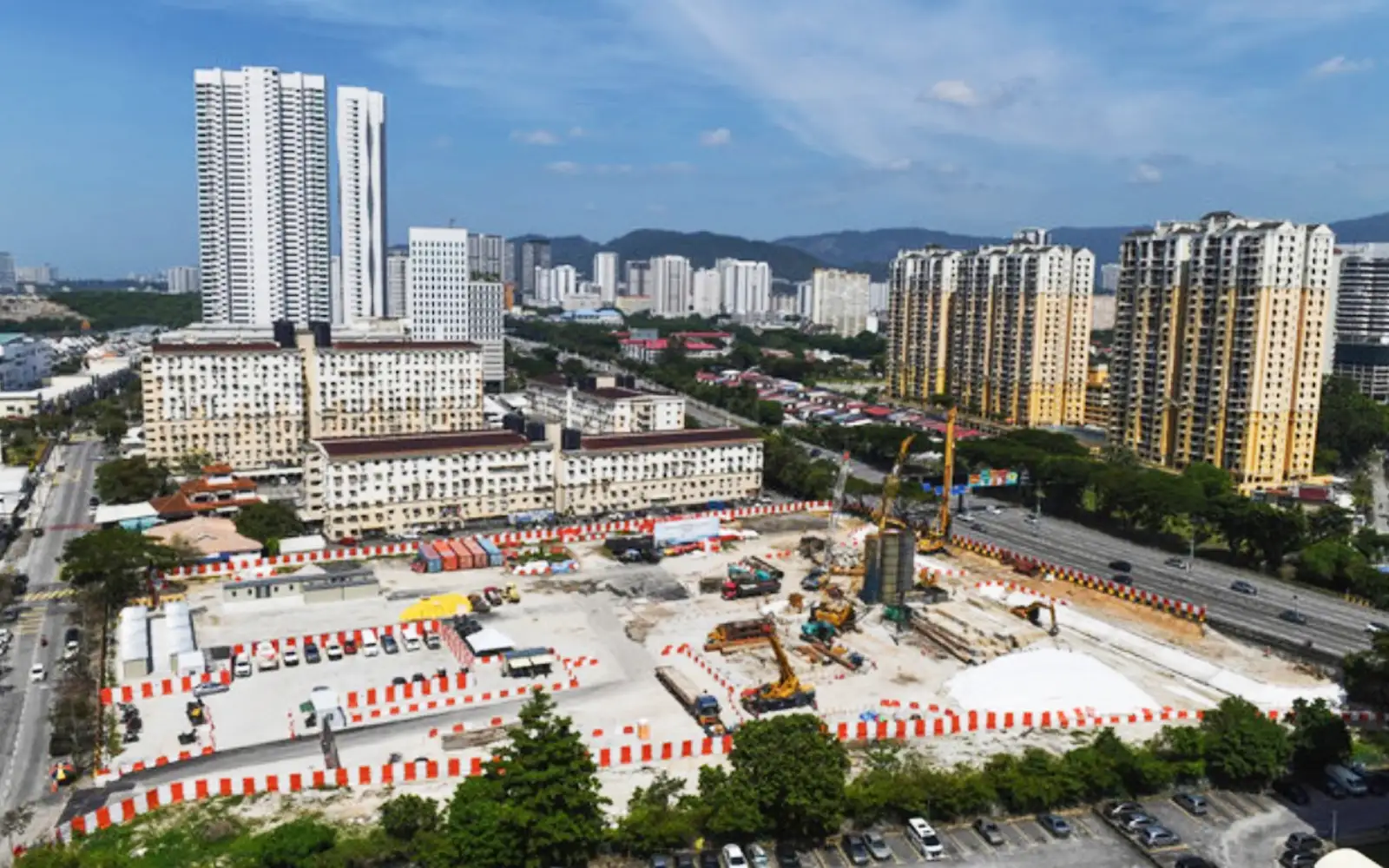
'Wrong people are getting the wrong housing in the wrong places' -Salvation Army
In Salvation Army's recent report it noted over the last five years the housing stock grew 9.1 percent.
New Zealand has constructed an ample number of houses in recent years, according to the Salvation Army. However, their report highlights that these new homes are not being allocated to the appropriate people or regions. While total housing stock has risen by 9.1 percent over the last five years, the population grew by only 5.5 percent. This has led to a modest increase in overcrowding and housing-related stress.
The Salvation Army's report stresses that the main issue for policy is not about whether there is sufficient housing overall, but whether the right housing is located in the right areas at prices that are affordable for low-income earners. Report author Alan Johnson emphasized that merely constructing houses does not equate to providing proper housing for people.
Johnson pointed out that not all newly built homes are accessible to those with modest incomes. Developers are primarily focusing on constructing homes for the private market, which makes these properties inaccessible to lower-income individuals. In the period from 2023-2026, the fastest growth in housing stock occurred in Marlborough and the West Coast, with Marlborough's stock increasing by 15.8 percent. Meanwhile, population growth in these regions was minimal, at 0.7 percent and 3.2 percent, respectively.
Nelson experienced a 4.7 percent increase in housing stock while its population grew by just 0.7 percent. Thames-Coromandel had the highest proportion of unoccupied dwellings, standing at 50 percent. Upper Hutt had the lowest proportion, at 5.2 percent. Of the 18 percent of new housing built between 2019 and 2023 that remained unoccupied, many could potentially be second or third homes for wealthier households.
Thames-Coromandel had the highest proportion of unoccupied dwellings, at 50 percent. Upper Hutt had the lowest proportion, at 5.2 percent. Moreover, the report noted that rents had experienced significant growth in Gisborne, Taranaki, Southland, and the West Coast, with social housing waiting lists being most pressing in Northland, Bay of Plenty, the West Coast, and Southland.
Johnson suggested that people moving from Auckland to search for more affordable housing in other regions might be contributing to the gentrification of those areas. As these individuals purchase homes previously available for rent, rental housing supplies in those areas are dwindling. He argued that this trend has been evident for the past decade, with people moving from Auckland to provincial cities in pursuit of cheaper housing.
The Salvation Army believes that more investment in public housing is necessary, stating that the government should be building more social housing units than it currently does. The current rate of social housing construction, at about 1500 to 1600 homes per year, falls short of the demand, which ranges from 5500 to 6000 homes per quarter.
Government spending on housing subsidies is projected to reach $4.8 billion in the 2026/27 fiscal year, but the accommodation supplement has declined in real terms by 14 percent per recipient over the past five years.
Written by urgent.news from RNZ Business's reporting — not their text. Machine-written — may contain errors; check the original before relying on it.
This story
This is one outlet's version. Read the fullest account.