Will Jetstar’s plan to charge for overhead locker space work in Asia-Pacific?
Jetstar’s plan to charge passengers for overhead locker space is set to test how far budget airlines in the Asia-Pacific region can go in making travellers pay separately for what was once part of a basic fare. The Australian carrier’s move comes as rising costs and competition push airlines to find new revenue beyond the ticket price, potentially giving regional rivals cover to study similar…
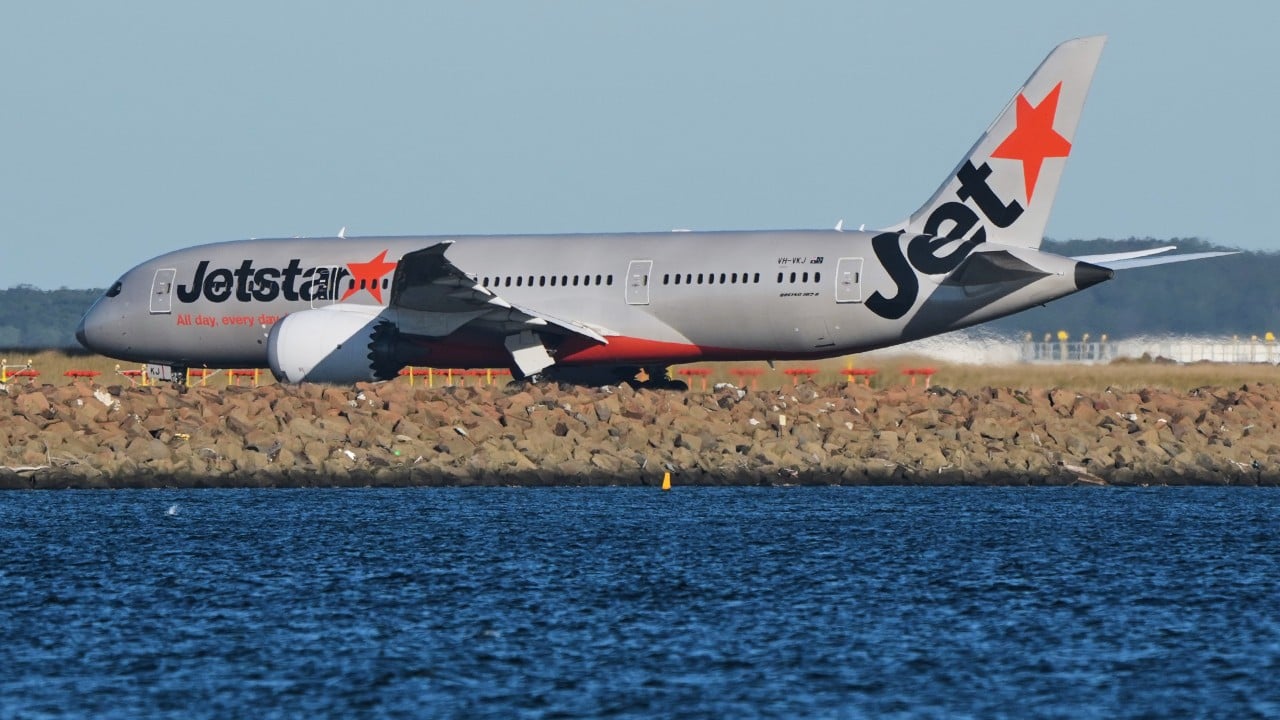
Jetstar's plan to charge for overhead locker space in the Asia-Pacific region is a bold move that could set a precedent for other budget airlines in the area. The Australian low-cost carrier aims to shift from a strict weight limit to a size-based carry-on baggage model, with larger bags costing between A$25 and A$52 (US$17.60 to US$36.60) per flight.
This new approach could help streamline boarding, optimize overhead locker space, and enable more flights to depart on time. However, the move has raised concerns about potential backlash and added fare complexity, as consumers may become wary of hidden costs. Aviation analysts view Jetstar's strategy as an "extreme" form of unbundling, but note that implementing similar fees in other Asia-Pacific markets could be challenging due to different consumer purchasing power and market conditions.
While airlines in Southeast Asia with dense short-haul flight networks, like Malaysia's AirAsia, may be more inclined to adopt the charge, budget carriers operating primarily on long-haul routes, such as Singapore's Scoot, are less likely to follow suit. Despite the potential challenges, the ancillary-fee business is a fast-growing sector for low-cost carriers in the region, accounting for about 40% of their revenue.
The direction of travel across the Asia-Pacific region appears to be towards more unbundling, and Jetstar's move could prompt other airlines to consider similar fees. However, the Australian market, which shares more similarities with Europe and North America in terms of fare structure, may face more pressure to implement the charge compared to other Asia-Pacific markets.
Written by urgent.news from South China Morning Post's reporting — not their text. Machine-written — may contain errors; check the original before relying on it.