Why wildlife managers coat raven eggs with oil to protect sage grouse
A new study has found that coating common raven eggs with non-toxic mineral oil can reduce raven reproduction and improve the survival of vulnerable greater sage-grouse. Researchers reported that sage-grouse nest survival more than doubled, while their relative abundance increased by 44% in treated areas. However, they said long-term conservation also requires protecting habitat and addressing…
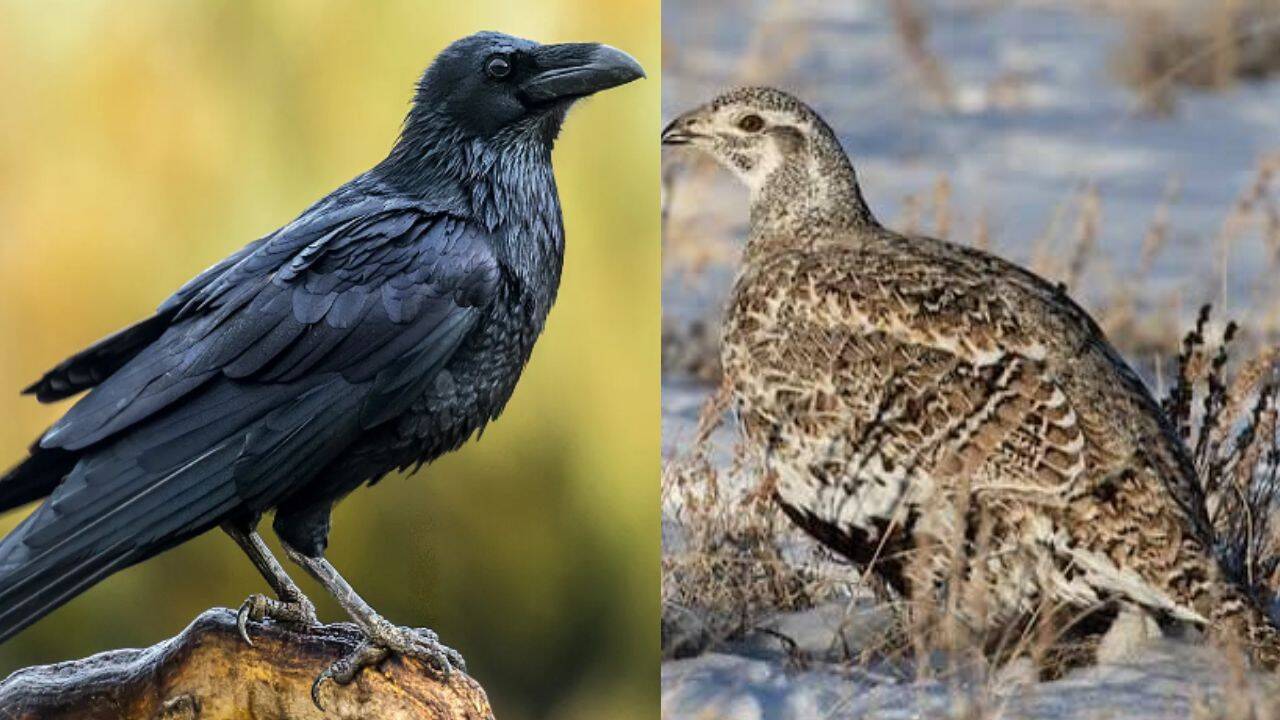
Wildlife managers are using a simple technique to protect sage grouse from raven predation, coating their eggs with mineral oil. This method, known as egg oiling, has been found to reduce raven population growth while boosting sage grouse reproductive success. The study, published in The Journal of Wildlife Management, showed that treating raven eggs with oil increased sage-grouse nest survival rates and led to a 44% increase in sage-grouse population abundance.
Egg oiling works by blocking the exchange of gases through the eggshell, effectively killing the embryo inside. Adult ravens, however, continue to incubate the eggs, believing they are still developing. This results in them laying additional eggs, thereby reducing the number of young ravens produced during breeding season.
Common ravens, highly intelligent birds, have seen their populations grow in recent decades due to human activities, which provide them with food and nesting sites linked to human settlements. As raven numbers increase, they put greater pressure on vulnerable species such as the greater sage-grouse. This ground-nesting bird faces increased predation from ravens, leading to fewer surviving chicks and overall declines in population.
The study's lead author, Steven Mathews-Sanchez, cautions that while egg oiling is highly effective at a local scale, it does not address the root cause of the problem. Human activities remain a significant factor driving the growth of raven populations, and addressing this issue is crucial for the long-term survival of sage-grouse and other vulnerable wildlife. The researchers stress that habitat protection and restoration are equally important to the success of conservation efforts.
Written by urgent.news from Times of India's reporting — not their text. Machine-written — may contain errors; check the original before relying on it.