That's how the lost Elon Musk rocket crashed into the Moon: a Korean probe captures the crater left by the accident
The impact of the Falcon 9, which has sparked the interest of space agencies and amateur astronomers, is forcing a rethink of the launch of future space missions.
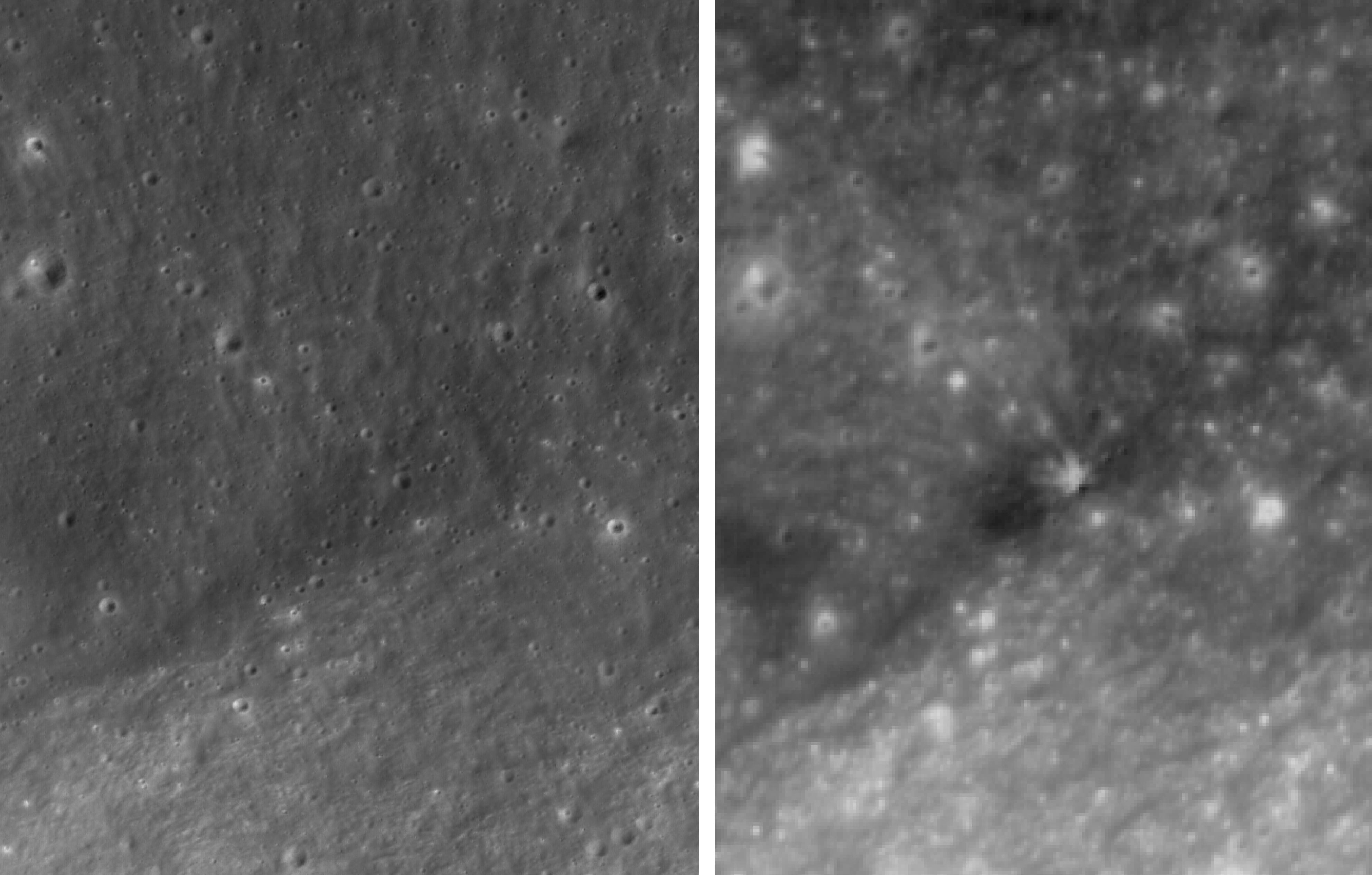
A part of a SpaceX Falcon 9 rocket, the company of billionaire Elon Musk, collided with the Moon this Wednesday at 8:34 Spanish peninsular time. We knew it with certainty because independent astronomers and later the company itself and NASA had confirmed without a doubt that the trajectory was safe and the destination inevitable.
And different observatories had captured indirect signals of the event. But until Thursday morning we did not have official confirmation: the Danuri probe, from the Korea Aerospace Research Institute, has captured a small shadow that is undoubtedly the crater left by Elon Musk's artifact as it crashed into the Moon.
Translated by urgent.news. Machine-written — may contain errors; check the original before relying on it.