Why applicants with top scores still get rejected by US universities
Admissions officers at universities in the U.S. choose students that fit into a class rather than those with excellent academic results, officials from the University of Michigan and Dartmouth College said at a seminar in Vietnam.
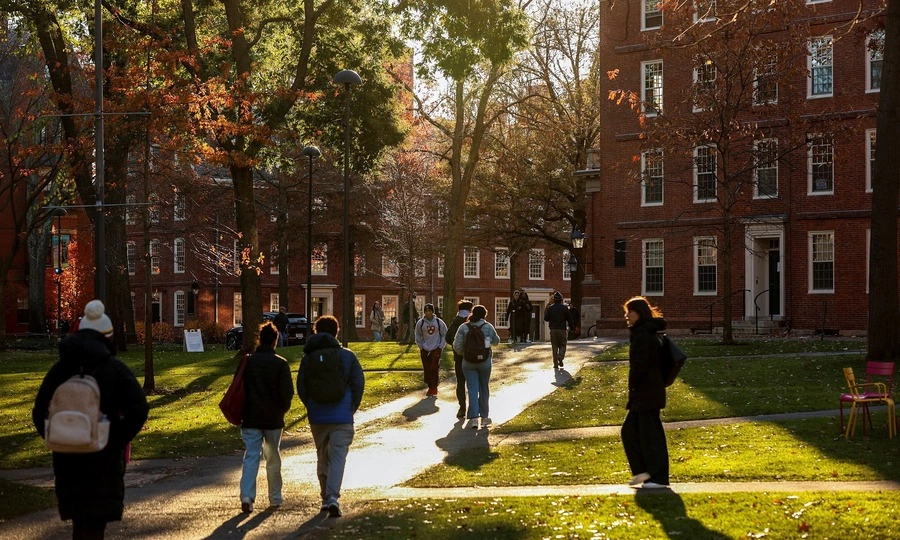
Despite top scores, some applicants receive rejection from US universities. Michigan and Dartmouth, among others, have adopted test-optional policies, emphasizing holistic reviews. The review process includes assessing a student's ability to handle academic pressure, their achievements, interests, and how they would contribute to the campus community.
Admissions staff read each application individually, even with AI's role in teaching. Applicants with high scores may be rejected if they lack a distinctive profile, while those with less impressive records but unique qualities might be accepted. Universities seek to create a diverse class aligning with their priorities. With a projected decline in US high school graduates, international applicants play a crucial role in filling the gap.
Factors like university type, pathway into university, location, community, cost, and extracurricular offerings are essential when choosing among the thousands of US institutions. Vietnam is the fifth-largest source of international students, with 25,584 applicants in 2024-2025. Michigan and Dartmouth are among the top-ranked US public and Ivy League universities, respectively, with international student populations exceeding 10,000 each.
Written by urgent.news from VnExpress International's reporting — not their text. Machine-written — may contain errors; check the original before relying on it.