When sport speaks for nations
A new global handbook argues that sport now increasingly shapes diplomacy as much as competition. One Malaysian journalist is helping lead that conversation.
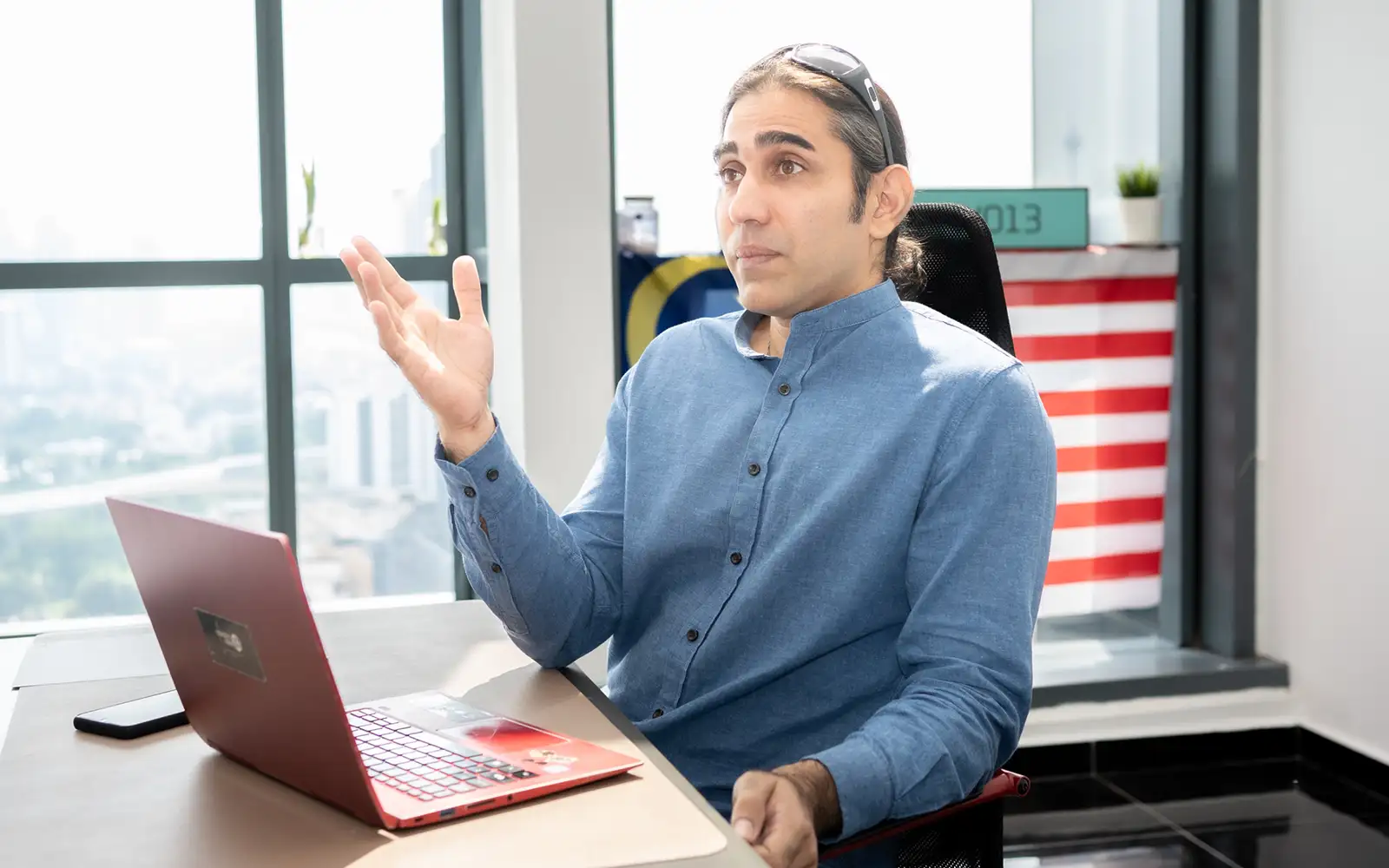
Malaysian journalist Haresh Deol, the sole Asian editor of the Routledge Handbook of Sports Diplomacy, has devoted his past three years to exploring this emerging discipline that is gaining traction in global sports. This is the first comprehensive publication dedicated to examining the role of sports in diplomacy, a concept increasingly recognized by governments as a soft power tool to strengthen relationships, attract investment, promote tourism, and enhance national reputation.
Sports diplomacy is essentially about leveraging sports to build bridges that politics alone may not be able to, as demonstrated by historical examples such as “Ping-Pong Diplomacy.” In 1971, a chance meeting between American and Chinese table tennis players facilitated improved relations between Washington and Beijing after decades of hostility. Similarly, during the 2018 Winter Olympics, North and South Korea utilized sport as an avenue for dialogue amidst heightened tensions.
The upcoming Routledge Handbook of Sports Diplomacy, compiled by Deol alongside renowned scholars, highlights how governments, athletes, international federations, and sporting organizations are increasingly using competition to achieve objectives that extend far beyond the arena. Haresh, who authored a chapter discussing the future of the Commonwealth Games, reflects on the importance of the handbook, stating that being invited to contribute alongside such esteemed scholars is an honor.
He notes that the inclusion of an Asian voice, particularly from Malaysia, is particularly significant.
The handbook, comprising 32 chapters, explores the multifaceted ways in which sports diplomacy influences global sport. It delves into how diplomatic ties are strengthened, investments are attracted, tourism is promoted, and national reputations are enhanced through sports. Haresh’s own chapter, titled "Commonwealth Games – Losing Glory: The Fallacy of Sports Diplomacy?", questions whether the Commonwealth Games still serve their original purpose.
This is a pertinent inquiry given that Glasgow had to rescue the 2026 Commonwealth Games edition after Victoria withdrew due to escalating costs and a reduced program, prompting renewed debate over the event’s long-term relevance.
Historically, the Commonwealth Games have provided newly independent nations with a platform to compete on an international stage and foster bonds across the Commonwealth. However, in today’s competitive sports landscape, with the Olympics, Asian Games, expanding world championships, and professional leagues vying for attention, the relevance of events like the Commonwealth Games is being questioned.
The handbook underscores that for a multi-sport event to remain pertinent, it must continue to offer unique sporting, cultural, or diplomatic value that cannot be easily replicated elsewhere.
Deol’s work demonstrates the broader impact of sports beyond medals and records, emphasizing that successful sporting events should also contribute to trade, education, tourism, and cultural exchange. Athletes often serve as ambassadors, and international competitions can fortify relationships among nations. Despite the importance of funding, coaching, facilities, and high-performance programs, the publication of the Routledge Handbook of Sports Diplomacy underscores that these aspects represent only a fraction of the story.
Sports diplomacy is a vital component of national discussions, offering opportunities for international cooperation and nation branding.
Written by urgent.news from Free Malaysia Today's reporting — not their text. Machine-written — may contain errors; check the original before relying on it.