UPI charges: Lok Sabha passes bill for government to make changes
The Lok Sabha has taken a vital step by passing a bill aimed at simplifying tax rules to enhance investment attractiveness. The new legislation abolishes a limitation on specific electronic payment options, allowing banks and providers to charge merchants on transactions. Additionally, the government is empowered to revise the zero-MDR scheme for UPI and RuPay. This initiative is poised to drive…
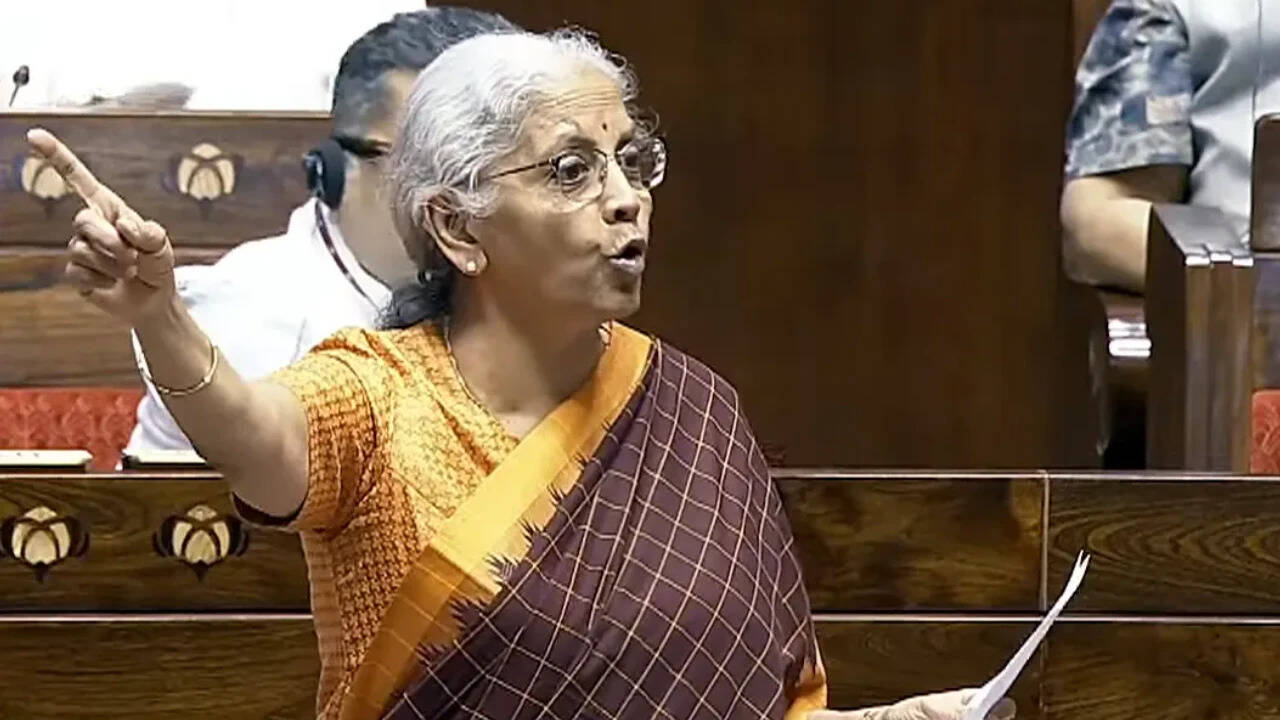
The Lok Sabha passed a bill on Thursday, aimed at simplifying tax rules to encourage investments and eliminate the legal restriction on banks and payment service providers charging Merchant Discount Rate (MDR) on specific electronic payment methods. The legislation also eliminates the connection between the Payment and Settlement Systems Act and the Income Tax Act, granting authority to the government to alter the zero-MDR framework for UPI and RuPay transactions.
In the absence of debate, the bill was approved with fervor. However, the exchange between Finance Minister Nirmala Sitharaman and Congress MP Jairam Ramesh took place outside the House. Ramesh alleged that the bill paves the way for MDR, whereas Sitharaman defended her stance, stating that the charge will apply to merchants instead of users and will assist banks and fintech companies in investing in infrastructure and innovation.
Furthermore, Sitharaman emphasized that the UPI and services steering committee, headed by the National Payments Corporation of India (NPCI), has not yet determined the MDR. The decision will be made following Parliament's passage of the Taxation and Other Laws (Amendment) Bill, 2026. The minister suggested that all these developments could have been discussed in the House if the Congress party had engaged constructively in Parliament when the bill was introduced.
Despite excluding person-to-person payments from MDR's influence, banks and fintech companies may be allowed to charge 0.25% to 0.4% on payments to businesses exceeding Rs 2,000, with an overall limit on the amount charged. Officials argued that this levy would be lower than the charges applied to credit and debit cards, and most merchants would not pass it on to consumers.
Written by urgent.news from Times of India's reporting — not their text. Machine-written — may contain errors; check the original before relying on it.