Waymo CEO says camera-only self-driving systems can’t support fully autonomous driving systems, and after testing multiple robotaxis, I have to agree
Waymo CEO says camera-only self-driving can’t go all the way — and I have to agree
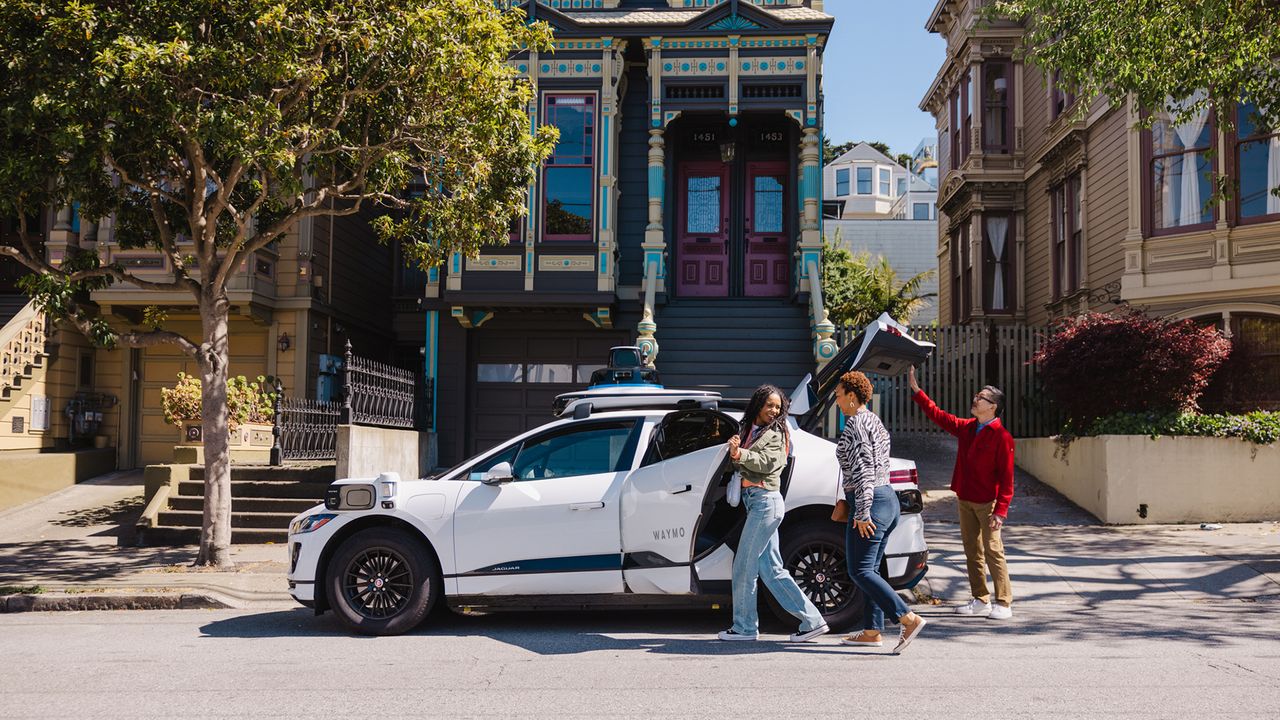
Waymo co-CEO Dmitri Dolgov has declared that camera-only self-driving systems are insufficient for fully autonomous driving, emphasizing the need for multi-sensing setups incorporating Lidar and radar. In an address at Y Combinator’s Startup School, he compared the effectiveness of camera-only systems to humans driving with just their eyes, suggesting that such an approach could serve as a reasonable assist product.
However, he cautioned that weak sensing could lead to a safety curve that drops off significantly, particularly in adverse conditions such as low light, poor visibility, dust storms, and when objects physically obstruct the camera lens. One instance highlighted by Dolgov involved a Waymo robotaxi that was able to safely return to a depot after a tree branch obstructed its camera lens, demonstrating the limitations of relying solely on camera-based systems.
Dolgov did not explicitly criticize camera-based systems, acknowledging their potential for supporting highly autonomous assistance systems, yet he admitted that they would struggle to replace human drivers entirely. He underscored the importance of fully autonomous robotaxis being as close to perfect as possible, given the mounting record of accidents that could deter customers and potentially jeopardize the technology's progress.
Dolgov's perspective aligns with many industry observers who favor a multi-modal approach, integrating Lidar, radar, and other sensors alongside cameras, in order to create a safer autonomous driving experience. This approach has been proven effective, as evidenced by Waymo's robotaxis, which have completed over two million autonomous miles without a single at-fault incident, and Motional's Hyundai Ioniq 5 robotaxis, boasting zero at-fault incidents over two million autonomous miles.
Both companies advocate for the integration of multiple sensors, emphasizing that relying solely on high-definition cameras is insufficient for the complete removal of human drivers. Tesla's own data, while not directly mentioned by Dolgov, supports this viewpoint, indicating a significantly higher crash rate when compared to human drivers, even with a monitor present in the vehicle.
Written by urgent.news from TechRadar's reporting — not their text. Machine-written — may contain errors; check the original before relying on it.