US sets 15% polysilicon tariff, price floors to challenge China’s dominance
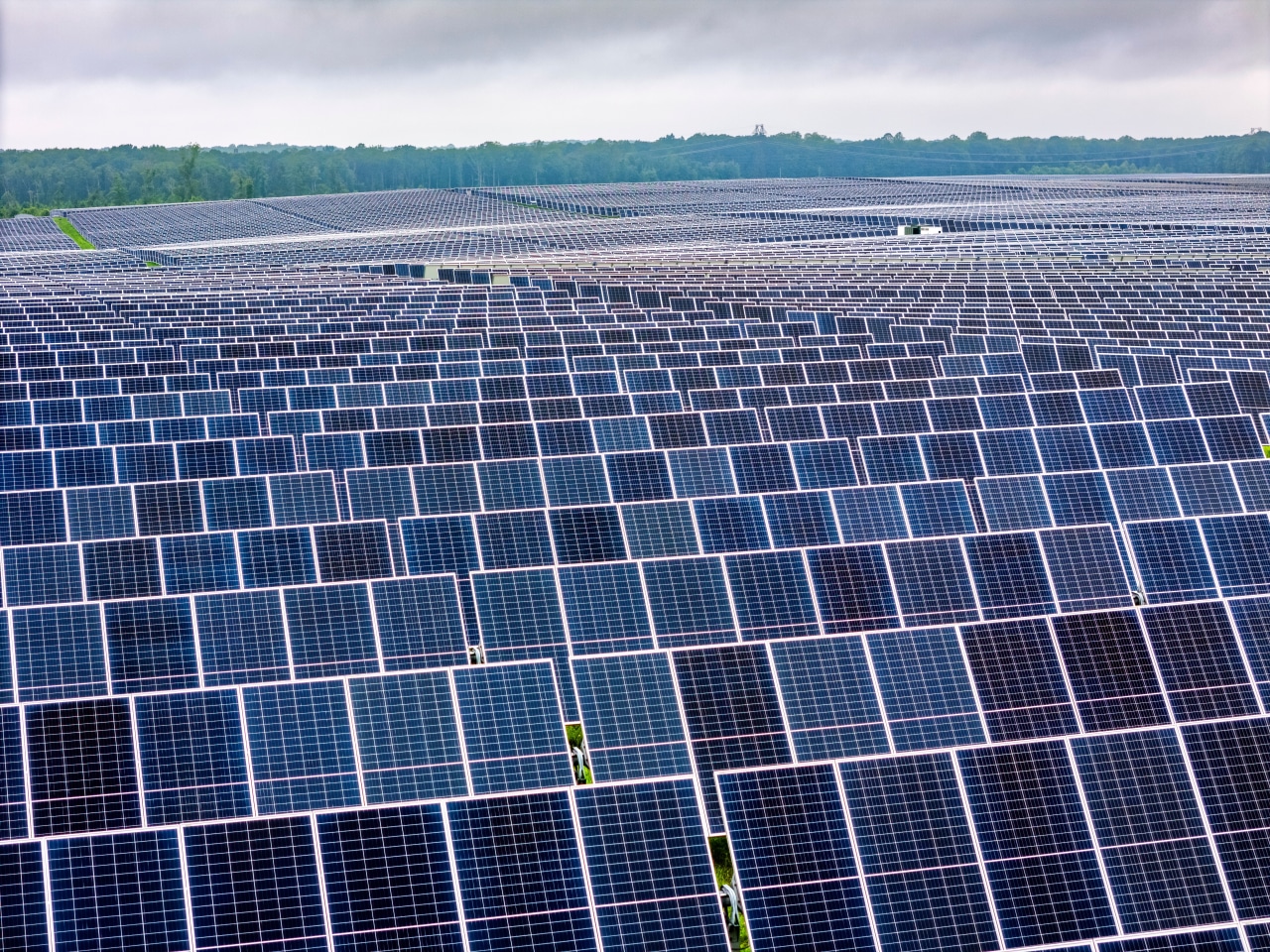
The United States has announced new tariffs and price floors on polysilicon and related products, targeting China’s dominance in key materials used in solar panels and semiconductor manufacturing. In a proclamation signed on Thursday, US President Donald Trump imposed a 15 per cent tariff, which will take effect after 120 days, and established a series of price floors to protect domestic…
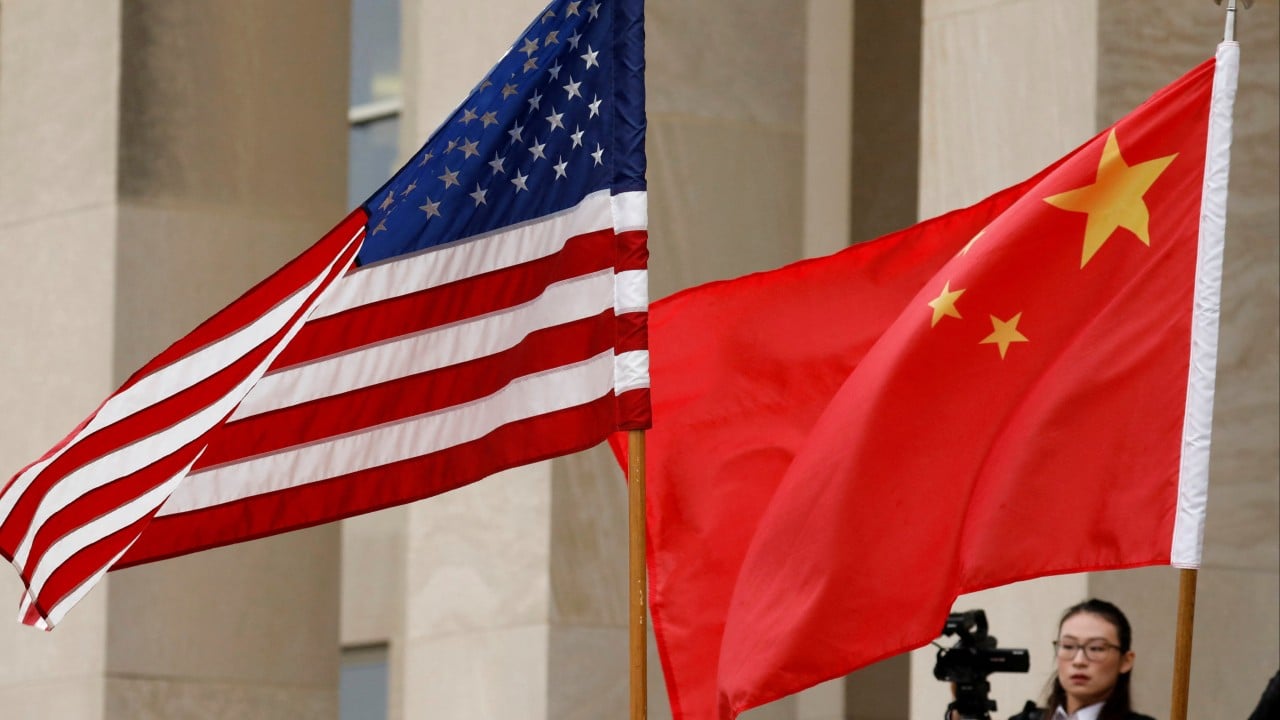
The United States has introduced a 15% tariff and established price floors on polysilicon and related goods, aiming to challenge China's dominance in these crucial materials used for solar panels and semiconductor manufacturing. US President Donald Trump signed the proclamation on Thursday, with the tariff set to take effect after 120 days. Commerce Secretary Howard Lutnick explained that these measures are necessary to prevent China from dumping more products and to encourage domestic manufacturing.
The proclamation also introduces a minimum import price (MIP) program to create a protected domestic market for US producers, enabling them to compete "free from global distortions." The Commerce Department's national security investigation into imports of polysilicon and its derivatives was initiated in July 2025 under Section 232 of the Trade Expansion Act of 1962. China is responsible for more than 90% of global polysilicon production, leaving the US with a mere 2% production capacity in 2024.
China has responded to this announcement by opposing the anticipated tariffs and price floors targeting Chinese polysilicon. Foreign Ministry spokesman Lin Jian stated that protectionism will not enhance US competitiveness. Earlier, China retaliated with stricter export controls on drones and related technologies, sanctions against seven US companies, and initiated its first foreign trade-related national security investigation.
US government officials criticized China's retaliatory steps, arguing that they could undermine efforts to stabilize economic relations between the two nations. Despite their mutual blamings, the US and China have managed to avoid disrupting preparations for Chinese President Xi Jinping's planned visit to the US in September.
Written by urgent.news from South China Morning Post's reporting — not their text. Machine-written — may contain errors; check the original before relying on it.