UAE recovery shows fortitude must be built in advance
During the past five months, the UAE and its economy have experienced events that would leave most other countries quite damaged. The Iran war – arguably the Gulf's biggest challenge since Covid-19 – has disrupted energy, shipping and investment as well as shaking confidence across the region. That the UAE’s success has been built on openness and connectivity made such upheaval a challenge for a…
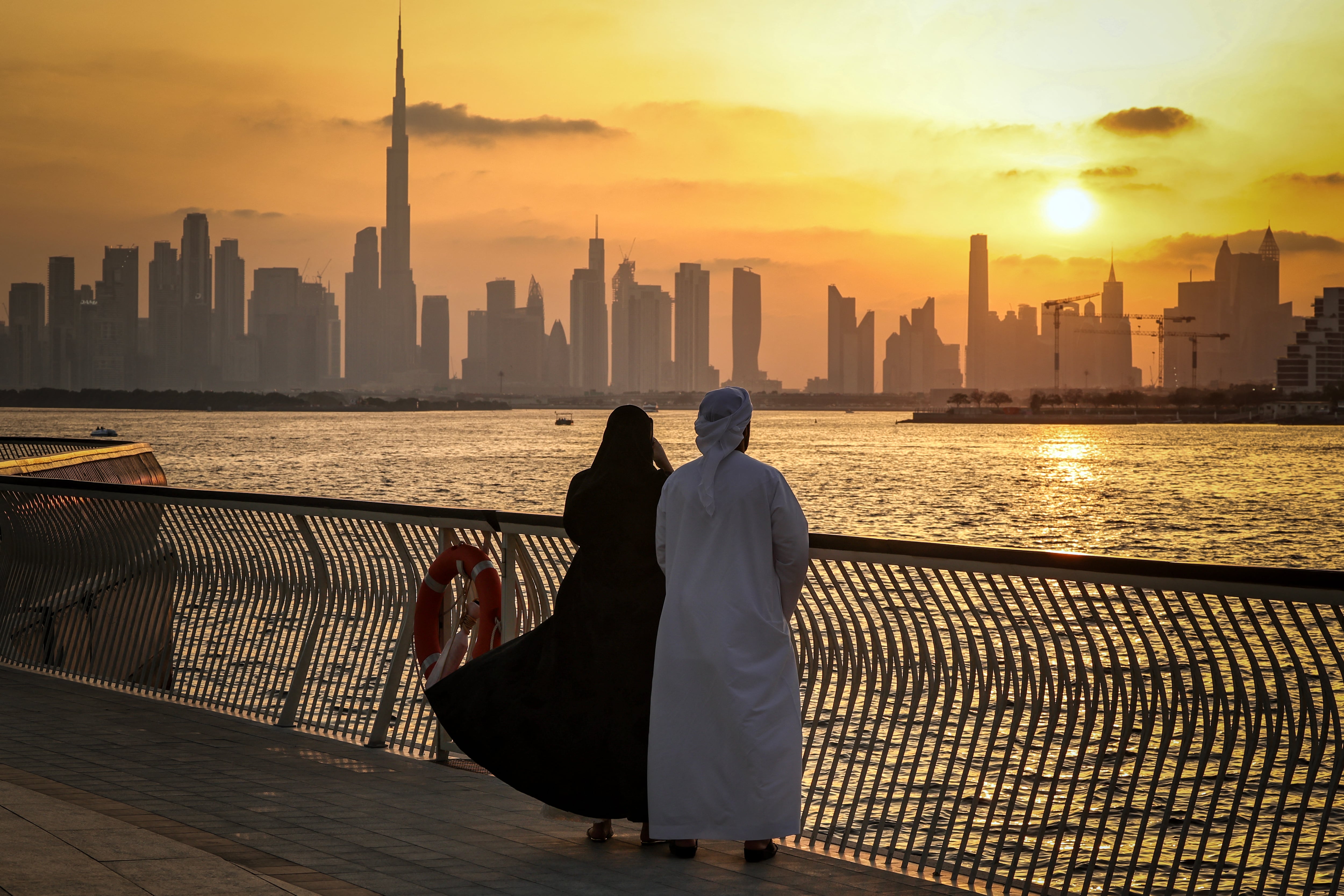
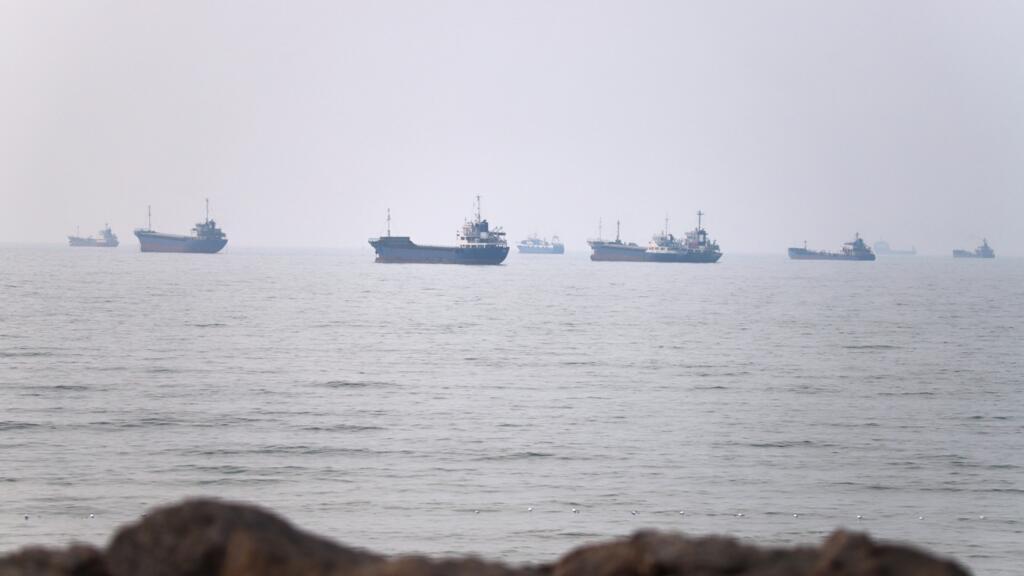
In the past five months, the United Arab Emirates has faced a series of events that would have left most other nations significantly weakened. The ongoing Iran war, considered the Gulf's most pressing challenge since the COVID-19 pandemic, has impacted energy, shipping, and investment sectors, as well as shaken regional confidence.
Despite these challenges, new data reveals that the UAE's economy and society have weathered the storm and made a remarkable recovery. Business activity in the non-oil private sector reached a four-month high in July, while employment numbers also increased. The seasonally adjusted S&P Global UAE Purchasing Managers' Index rose to 52.7 from 50.8 in June, indicating growth in economic activity.
Dubai's population has also rebounded, with official figures showing an increase of 157,000 residents since the start of the year.
The UAE's resilience can be attributed to strategic policy choices and years of preparation, rather than being a result of improvised measures. The country's strong fiscal buffers and diversified growth model enabled it to manage external shocks effectively. Contingency plans, such as alternative import and export routes, demonstrated adaptability in the face of adversity.
Micro-level responses, including flexible rental arrangements, rent stabilization, and incentives to support tourism and consumer spending, helped maintain demand. Established labor market policies provided much-needed breathing space, with visa grace periods and unemployment insurance schemes allowing people time to find new employment or make other plans.
These measures have helped maintain confidence in the UAE as a stable place to live and work, as reflected in the recent data release.
However, the road to recovery has not been without its challenges. Some industries and individuals have tightened budgets and expressed concerns about uncertainty during this volatile period. Yet, the micro-level response to these issues is equally important in understanding the UAE's overall resilience. The experiences of the past few months have demonstrated that fortitude is not something that can be built spontaneously.
Instead, it requires years of strategic planning, policy decisions, and adaptability to external shocks. As reports emerge about a potential deal to stabilize the Strait of Hormuz and end the war, the UAE's experience since February 28 serves as a reminder that building fortitude must be an ongoing process.
Written by urgent.news from The National UAE's reporting — not their text. Machine-written — may contain errors; check the original before relying on it.