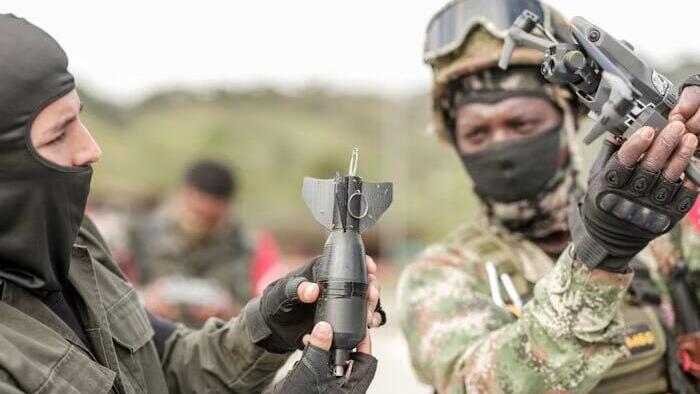
Turkey’s PKK amnesty could ease Kurdish tensions, expand regional reach, expert tells ‘Post’
Turkey’s proposed PKK amnesty could reduce security pressures, ease tensions with Iraq, and allow Ankara to redirect military, intelligence, and economic resources across the region.
Turkey's ruling alliance has submitted a draft law to parliament aimed at bringing peace with the Kurdistan Workers' Party (PKK) by shielding former militants from prosecution and suspending prison sentences for some. Analyst Burak Can Celik told The Jerusalem Post that the amnesty could allow Ankara to redirect its intelligence and economic resources towards other regional priorities.
The draft law marks a significant step toward ending an insurgency that has claimed over 40,000 lives since 1984 and has caused deep divisions both domestically and internationally. Celik predicts that the immediate impact would be felt in Iraq, where reduced security risks could ease tensions with Baghdad and potentially diminish the frequency of Turkish cross-border military operations.
This, in turn, could create a more stable environment for energy infrastructure, trade routes, and regional connectivity projects. However, Turkey may not immediately withdraw its military and intelligence presence from northern Iraq. While the end of the PKK threat would free up resources for Turkey's interests in Syria, the Black Sea, the Eastern Mediterranean, and NATO, Celik believes Ankara's foreign policy could still be characterized by a more assertive approach to regional issues.
The peace process would grant legal protections to militants who did not participate in killings and return to Turkey within six months of the law's passage. PKK leaders convicted of serious crimes, including Abdullah Öcalan, would remain in prison. The decision to implement the amnesty is seen as pragmatic, with Ankara lacking other options for comprehensive disarmament without offering automatic arrest and lengthy prison sentences to many members.
The peace process may be occurring at a time when Ankara feels more confident in its military capacity, while the PKK faces significant pressure. The initiative could also be influenced by the upcoming 2028 elections, as a successful end to the conflict might enhance President Erdogan's political legacy and reshape Turkey's relationship with Kurdish voters.
However, ensuring transparency, legal clarity, and appropriate consideration for victims' sensitivities will be crucial for garnering public support for the peace process.
Written by urgent.news from Jerusalem Post's reporting — not their text. Machine-written — may contain errors; check the original before relying on it.