‘This is not hijab’: Uniqlo Malaysia’s line leaves modest fashion fans hot under collar
Uniqlo’s new stand-alone hijab line for Malaysia was meant to expand the Japanese clothing giant’s reach in one of Southeast Asia’s most prominent modest-wear markets, but its initial marketing has been met with online controversy. Ahead of the exclusive launch next Monday, teaser images posted on Uniqlo Malaysia’s social media showing the scarves wrapped turban-like around the head, leaving…
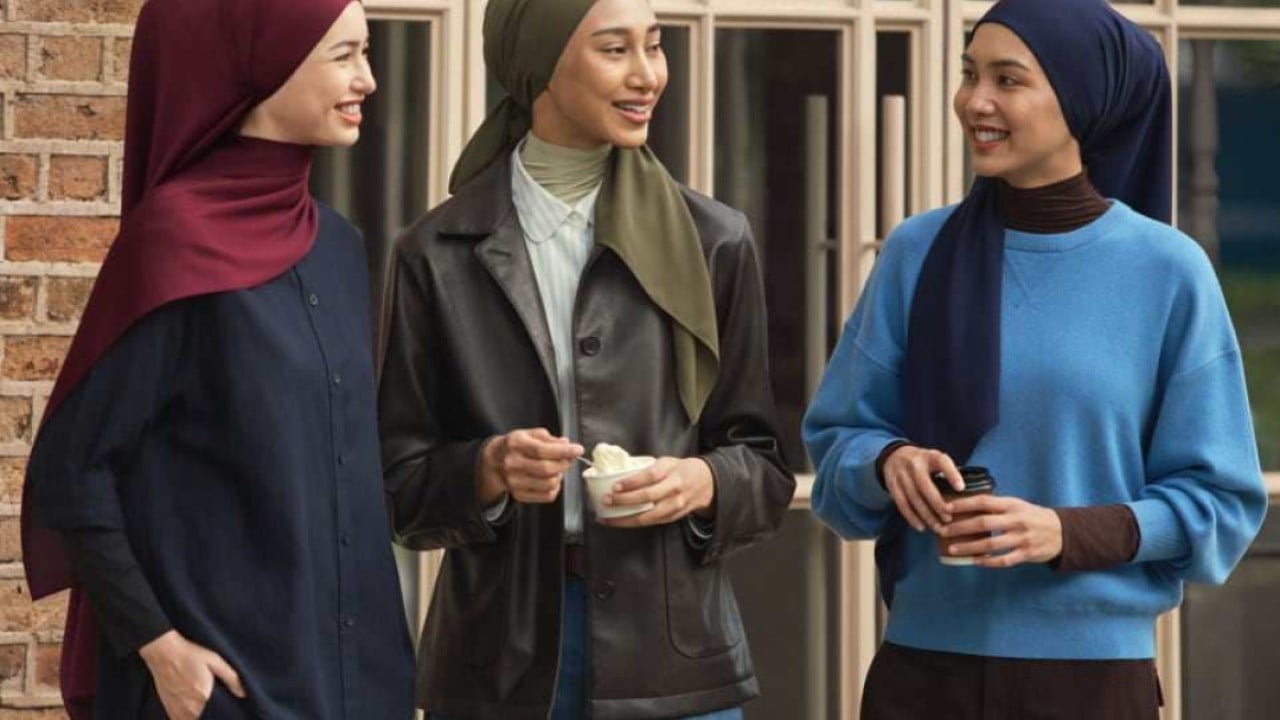
When Uniqlo Malaysia unveiled its new hijab line in preparation for an exclusive launch next week, the buzz on social media quickly turned contentious. The brand's teaser images, featuring scarves draped turban-like around the head with parts of the neck and chest visible, sparked a heated debate over whether the campaign aligned with Muslim dress standards.
Some Malaysian netizens argued the marketing was not true hijab and labeled it misleading, while others accused the retailer of moral policing for taking the term too loosely. One user even demanded Uniqlo swap the word "hijab" for "Airism headscarf" in its advertising. Despite these criticisms, Uniqlo explained that the collection was designed for Malaysia's hot climate and everyday wear, emphasizing comfort, airflow, and flexible styling.
The line comprises three one-size options crafted from Airism UV-protection fabric, georgette, and satin, priced at 59.90 ringgit (US$15) each. The garments will be available in-store and online. However, the controversy seems to have stemmed more from styling choices than the product itself. Some defended the scarves, arguing they could still cover the aurat - the body parts Muslim women are expected to conceal, while others claimed the backlash was overprotective and petty.
Many accused male users of jumping to conclusions while ignoring more pressing issues facing women. The criticism even devolved into bullying, urging netizens to separate brand critique from personal attacks. Federal Territories religious authorities stipulate that Muslim women must cover their entire body except the face and hands in front of unrelated men, with the hijab also covering the chest area.
This Week in Asia reached out to Uniqlo Malaysia for comment on the backlash and potential campaign adjustments. Meanwhile, Malaysian Islamic preacher Wadi Annuar weighed in, stating that fashionable appearances do not always adhere to Sharia law, suggesting clothing should be judged by its religious compliance rather than trends.
The debate mirrors Malaysia's ongoing disputes over turban-style head coverings, which have repeatedly drawn controversy when displayed by public figures. Singer Yuna, one of Malaysia's most prominent international artists, has faced repeated criticism over her hijab styling. In 2024, she responded to detractors urging her to remove her headscarf by telling them to unfollow her if they disliked her current image.
Yuna herself had previously fronted Uniqlo's Hana Tajima modest wear campaign, which launched in Southeast Asia in 2015 and later expanded to Western markets. She described the hijab as a personal choice and "liberating," noting it allowed her to remain true to herself in an industry often centered around women's appearance.
Written by urgent.news from South China Morning Post's reporting — not their text. Machine-written — may contain errors; check the original before relying on it.