The Academics Who Caught Fire
The French theorists of the postwar era argued that the author’s life is irrelevant. Emily Eakin’s lively new book proves them wrong.
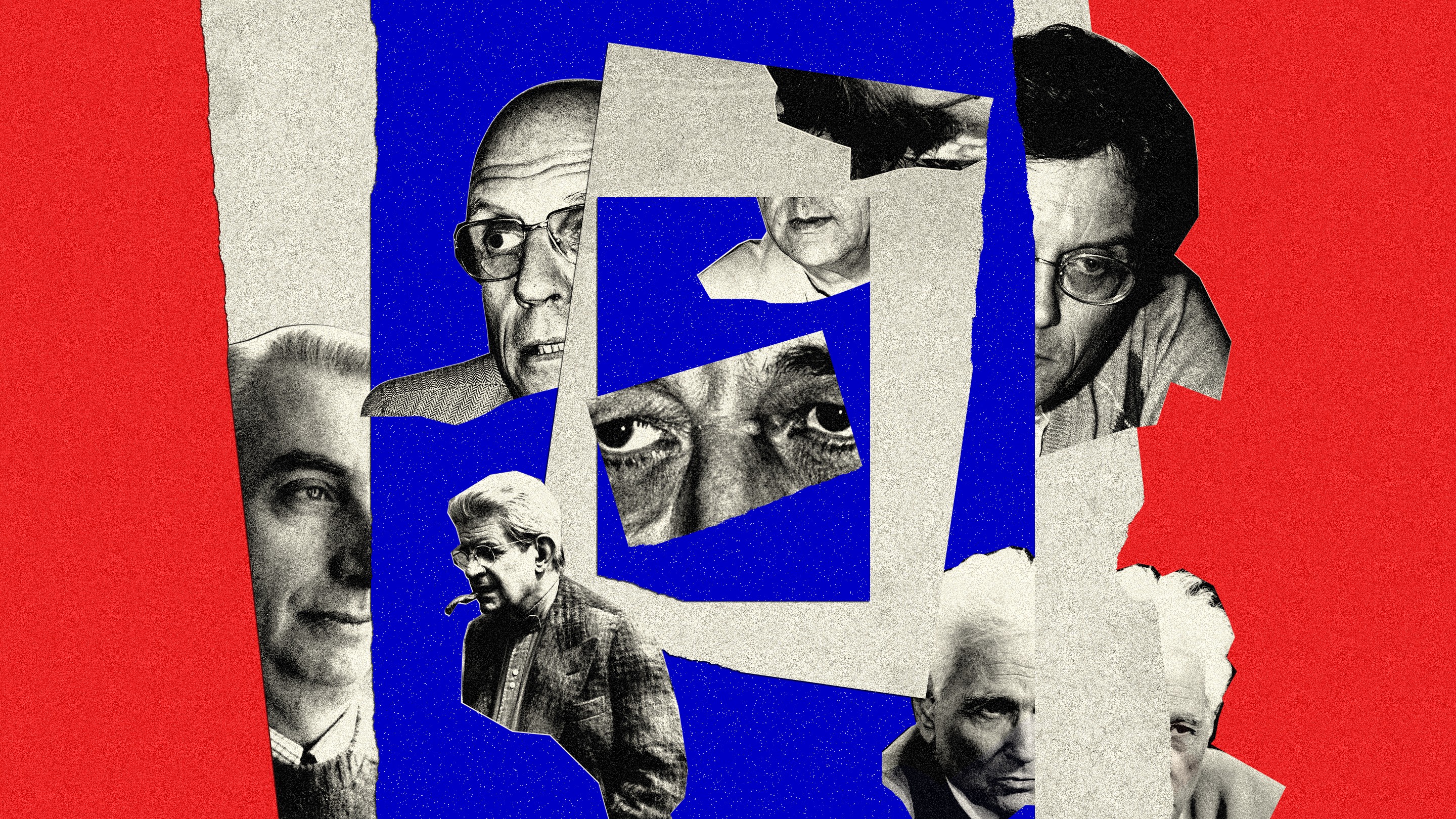
The Academics Who Caught Fire recounts the journey of Emily Eakin, a journalist with a background in academia, as she delves into the complex world of post-structuralist ideas. In her book, Eakin explores the works of a group of mostly French theorists who questioned the very foundations of society and language, arguing that they were artificial constructs that undermined our ability to make choices.
These theorists, including Jacques Lacan, Roland Barthes, Louis Althusser, Paul de Man, Gilles Deleuze, Michel Foucault, Félix Guattari, and Jacques Derrida, were all active in the late 20th century and their ideas continue to resonate today.
Eakin, who began her college education as an aspiring academic, found herself captivated by the allure of these ideas. Despite her academic background, she struggled to grasp the intricacies of these concepts, feeling overwhelmed by their complexity. However, as she immersed herself in the world of these theorists, she discovered that their theories were not just abstract notions, but were deeply intertwined with the historical context in which they were created.
Through her exploration of these ideas, Eakin sought to bring them back to life, emphasizing the human element behind the often-stiff antihumanism of these theorists. By weaving together their arguments with the stories of their lives, Eakin's book offers a captivating and thought-provoking perspective on the enduring impact of these ideas on our society.
Written by urgent.news from The Atlantic's reporting — not their text. Machine-written — may contain errors; check the original before relying on it.