Study shows climate change made Canadian wildfires twice as likely
Weather researchers find extreme fire conditions would have occurred once every 40 years in a world without human-caused warming.
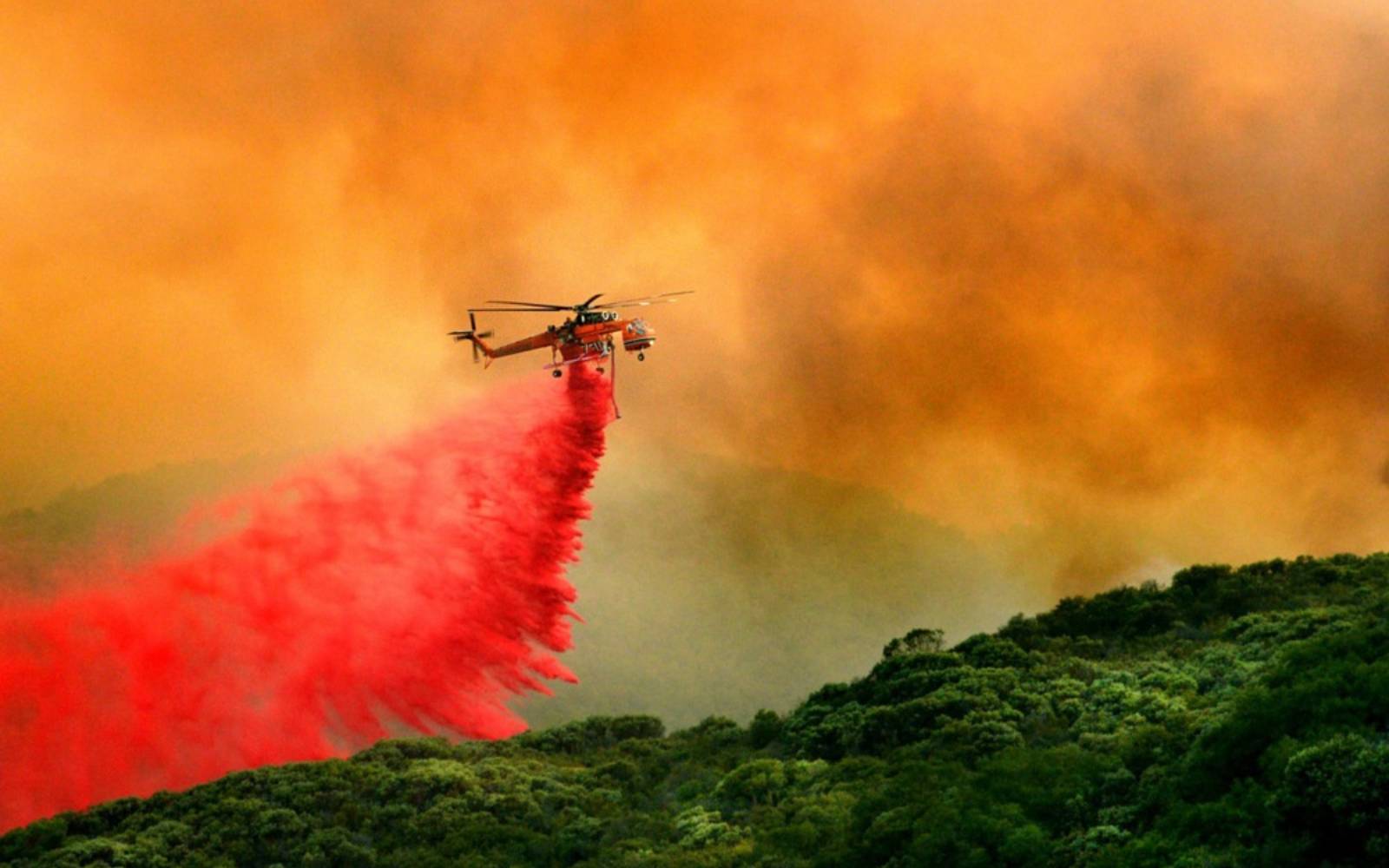
This year has seen an unprecedented severity in Canada's wildfires, with more than 3.8 million hectares burned, affecting thousands of residents and causing millions to be exposed to hazardous smoke. Unlike the season's beginning, the latter part has been marked by extended periods of hot and dry weather, particularly affecting Ontario and the Northwest Territories.
Researchers from the World Weather Attribution group employed climate models and observations to evaluate the impact of human-induced climate change on these extreme fire conditions. By comparing current conditions with a world that has not warmed by 1.4C since the pre-industrial era, they determined that climate change has made such events about twice as likely.
Under the current climate, such fire weather is no longer uncommon, with occurrences expected once every 2-6 years in the Northwest Territories and every 6-15 years in Ontario. In the absence of climate change, these conditions would have been expected to occur around every 40 years.
Theodore Keeping, the lead author from Imperial College London, noted the scale and intensity of this year's wildfires as fundamentally different from past events. While preparedness measures have been implemented, the researchers suggest that adaptation alone will not suffice in the face of these escalating wildfire risks. The geographic spread of the fires is alarming and underscores the urgent need for rapid decarbonization efforts to avoid similar events becoming more commonplace.
Written by urgent.news from Free Malaysia Today's reporting — not their text. Machine-written — may contain errors; check the original before relying on it.
This story
This is one outlet's version. Read the fullest account.