South Korean biotech bets on donated human fat product to fix ‘Ozempic face’
“Ozempic face” could spawn the next K-beauty craze. South Korean biotech L&C Bio plans to launch an injectable skin booster made from donated human fat to restore lost facial volume, betting demand for cosmetic fixes tied to blockbuster weight-loss drugs will drive its next phase of growth. L&C – which pioneered the use of donated human tissue in K-beauty skin boosters – developed the technology…
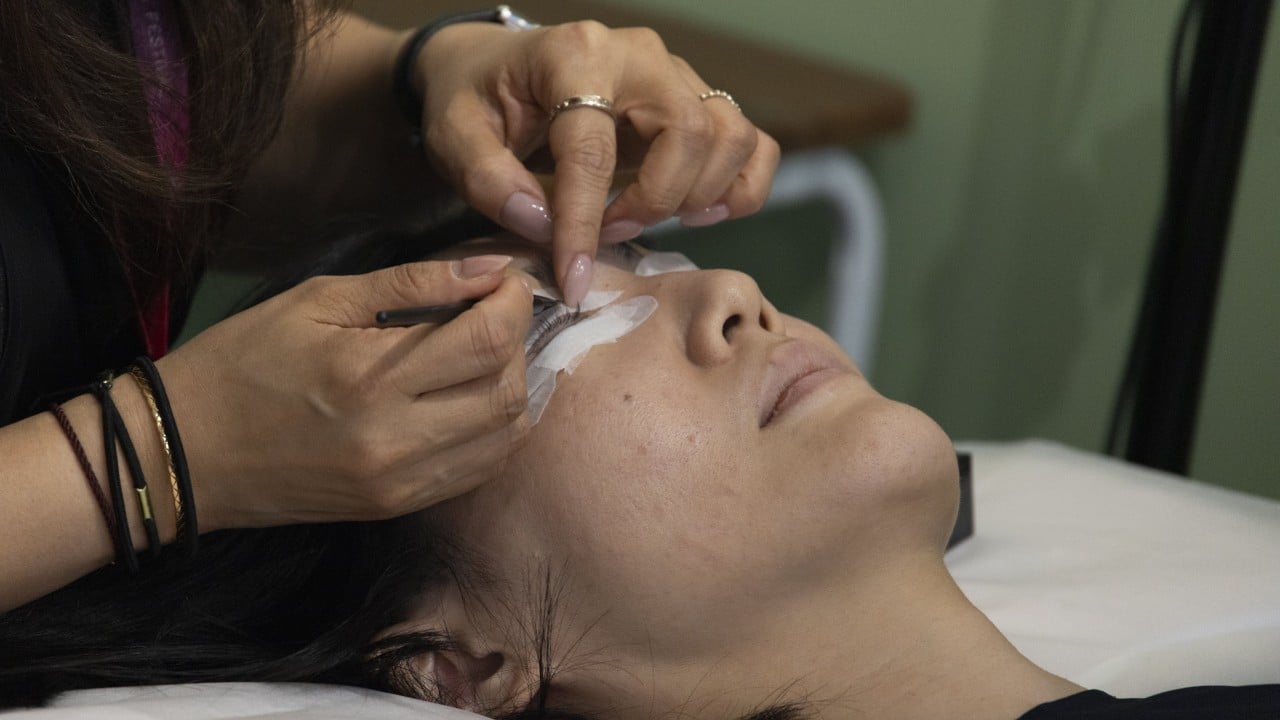
South Korean biotech firm L&C Bio is set to launch an injectable skin booster made from donated human fat, in an effort to tackle the growing demand for cosmetic solutions tied to weight-loss drugs like Ozempic. CEO Lee Whan Chul revealed that the company's innovative technology, which has been under development for five years, has been granted patents in South Korea, the US, and China.
South Korea's cosmetic industry has a track record of transforming niche procedures into global beauty trends, such as the glass skin regimen and salmon sperm facials.
L&C Bio's flagship human tissue treatment, Re2O, focuses on improving skin quality and wrinkles, but the upcoming product, tentatively named MegaAdipoECM, will address facial and body volume loss. This new treatment processes donated fat into an extracellular matrix, acting as a scaffold for patients' own fat cells to repopulate treated areas and restore lost volume naturally.
Unlike Re2O, which targets skin quality and wrinkles, MegaAdipoECM aims to remedy "Ozempic face," characterized by hollow cheeks and sagging skin, as seen in individuals using GLP-1 weight-loss drugs.
The product's launch has been delayed due to South Korean regulations classifying donated fat as medical waste, but this restriction was lifted this year, enabling L&C Bio to manufacture the product domestically. The legal change could significantly bolster the company's profitability, as the donated fat, previously a disposal cost, will now serve as a nearly free raw material. Analyst Mi Hyun Kim from Morgan Stanley expects the product to generate 1 trillion won (US$700 million) in revenue by 2030.
The global dermal filler market is projected to more than double to US$17 billion by 2035, with Asia leading the expansion due to increased demand for non-surgical facials and an aging population. Currently, the volume segment is dominated by traditional filler and biostimulator companies, including AbbVie, which manufactures Botox. However, a new player, Renuva, an injectable that gradually replaces age-related fat loss with fat from the patient, has attracted attention in the US.
While the commercialization of donated human matter for cosmetic procedures may reignite debates about the potential drawbacks of such practices, L&C Bio insists that donors have explicitly consented to the use of their contributions, and current shortages are overstated. CEO Lee Whan Chul encourages regulatory clarity to facilitate the product's global expansion.
Written by urgent.news from South China Morning Post's reporting — not their text. Machine-written — may contain errors; check the original before relying on it.