Scammers build fake e-visa sites with AI to harvest passport data in Hong Kong
Hong Kong's privacy watchdog has warned travelers against fraudulent e-visa websites that harvest personal data and application fees, after logging 16 complaints and inquiries over three months and individual losses of more than HK$1,700 (US$217).
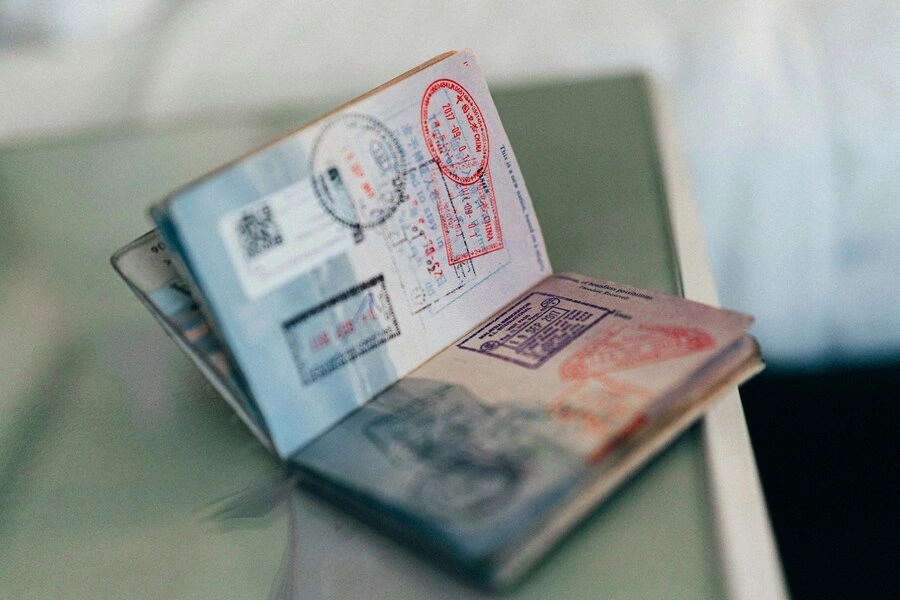
Scammers in Hong Kong are employing artificial intelligence to create phony e-visa websites, making it increasingly difficult for users to distinguish them from legitimate portals, according to the Privacy Commissioner Ada Chung Lai-ling. The commissioner emphasized that e-visa applications require extensive personal information, including names, genders, nationalities, passport numbers, and dates of birth.
Complaints suggest that individuals searched for destination visa, electronic travel authorization, or arrival card application pages, followed misleading search results, and subsequently entered sensitive data, paid application fees, and discovered the site to be fraudulent. Losses per case reportedly began at over HK$300 ($38).
Fraudulent sites often mimic official addresses with minor spelling errors, additional letters, or digits. To avoid falling victim, Chung recommended users to verify official websites end in ".gov" instead of .com or .org. She advised travelers to only access e-visa platforms through links provided by the relevant countries' or territories' consulates or representative offices in Hong Kong.
The office also urged caution against unsolicited calls, emails, or messages requesting additional information. Comparison images released by the office revealed counterfeit versions of official portals for Canada, Thailand, and the U.K., among others, including Spain and the U.S.
Written by urgent.news from VnExpress International's reporting — not their text. Machine-written — may contain errors; check the original before relying on it.