Russians switch from flights to trains amid drone attack threats
Passenger traffic on flights between Moscow and St. Petersburg fell 18% to 1.6 million in the first half of 2026 as more Russians opted for trains amid the threat of drone attacks, Telegram channel Astra reported on Aug. 6.
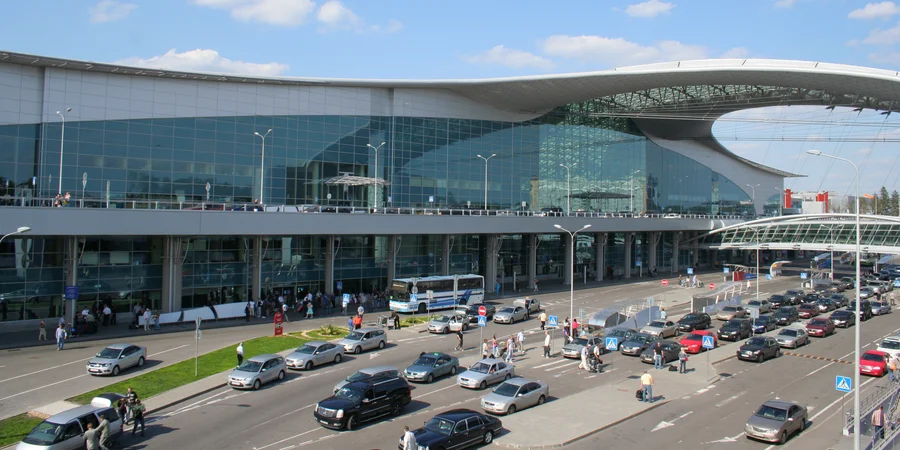
In the first half of 2026, passenger traffic on flights between Moscow and St. Petersburg dropped by 18% to reach 1.6 million, according to Telegram channel Astra. More Russians are now opting for trains as a safer mode of transportation due to the threat of drone attacks, as reported by the Russian newspaper Kommersant. Frequent disruption of airport operations under Russia's "Carpet" emergency protocol is a major reason for this shift, leading to more flight delays and cancellations.
As a result, business travelers are increasingly choosing trains for their journeys. Demand for rail travel on this route has risen by approximately 20%, with trains now accounting for 70% of business travel. The decline in air travel is also attributed to the increase in direct international flights from St. Petersburg, which reduces the need for passengers to connect through Moscow.
Furthermore, several airlines have withdrawn from operating on this route following Aeroflot's launch of its Shuttle service. On July 24, around 50 flights were delayed at St. Petersburg's Pulkovo Airport following drone attacks on Oblast. On the same day, drones targeted warehouses of the Russian marketplace Wildberries in St. Petersburg and Simferopol.
In June, Moscow's Vnukovo and Domodedovo airports briefly suspended arrivals and departures due to a drone attack on Moscow Oblast, while Sheremetyevo Airport imposed temporary restrictions on flight operations.
Written by urgent.news from New Voice of Ukraine's reporting — not their text. Machine-written — may contain errors; check the original before relying on it.