Rocket Lab launches Japanese Earth-observing satellite after 5-week delay (video, photos)
Rocket Lab launched its eighth mission for the Japanese Earth-imaging company iQPS on Thursday morning (Aug. 6), five weeks later than originally planned.
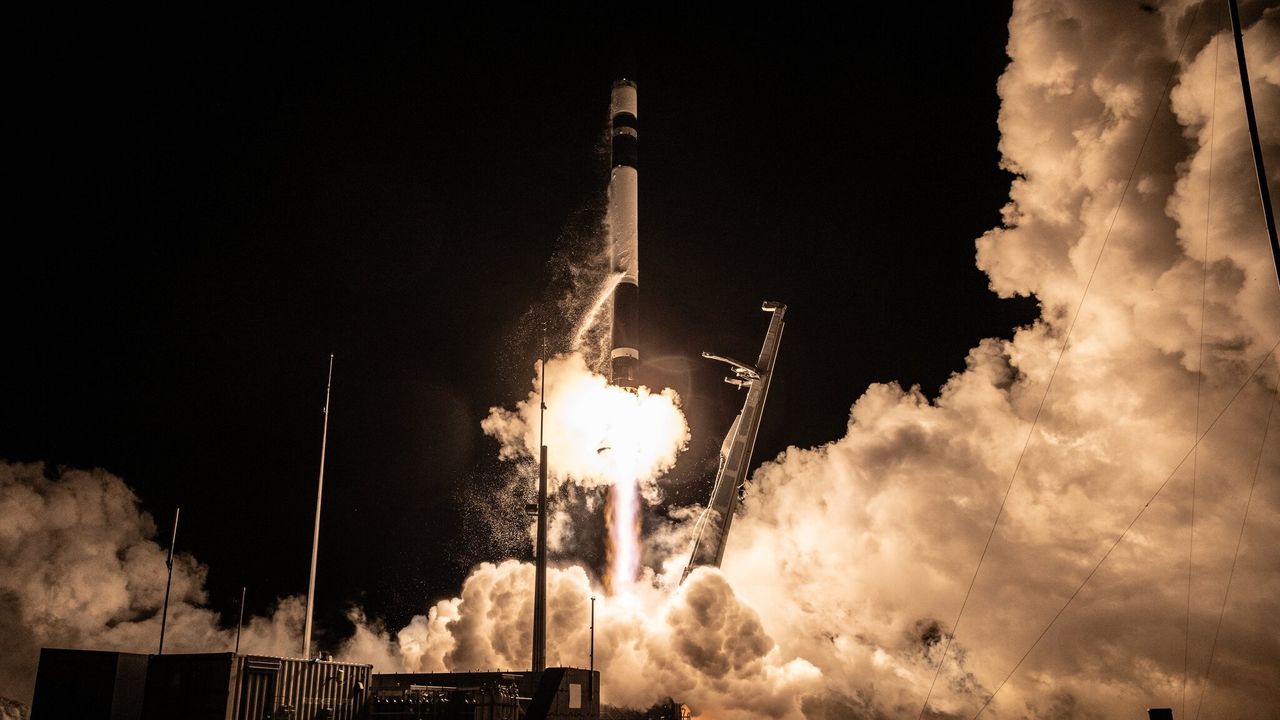
A Japanese Earth-observation satellite named QPS-SAR-13 or MIKURA-I successfully launched into orbit on August 6, 2026, five weeks after its original planned date. The spacecraft, operated by iQPS, was launched atop a Rocket Lab Electron vehicle from New Zealand at 5:18 a.m. EDT (0918 GMT; 9:18 p.m. local time). This was a second attempt for the mission, as the company had initially tried to launch it on June 30 but aborted the launch at the last second.
The launch was successful, with the Electron deploying the satellite into its target orbit at a height of approximately 357 miles (575 kilometers) above Earth. The QPS-SAR-13 will utilize high-resolution synthetic aperture radar (SAR) technology, enabling it to capture images regardless of weather conditions, day or night. iQPS plans to build a constellation of 36 such SAR satellites in low Earth orbit.
Written by urgent.news from Space.com's reporting — not their text. Machine-written — may contain errors; check the original before relying on it.