Original iPhone Loses Its Last Cellular Network as T-Mobile Kills 2G
T-Mobile retired its 2G GSM network on Monday, August 3, which means all three major carriers in the United States have now ended 2G service. T-Mobile kept its 2G network active because it still had some legacy customers who were using it. Some customers visiting the United States and using international roaming carrier agreements for connectivity also needed 2G for voice calling, but T-Mobile…
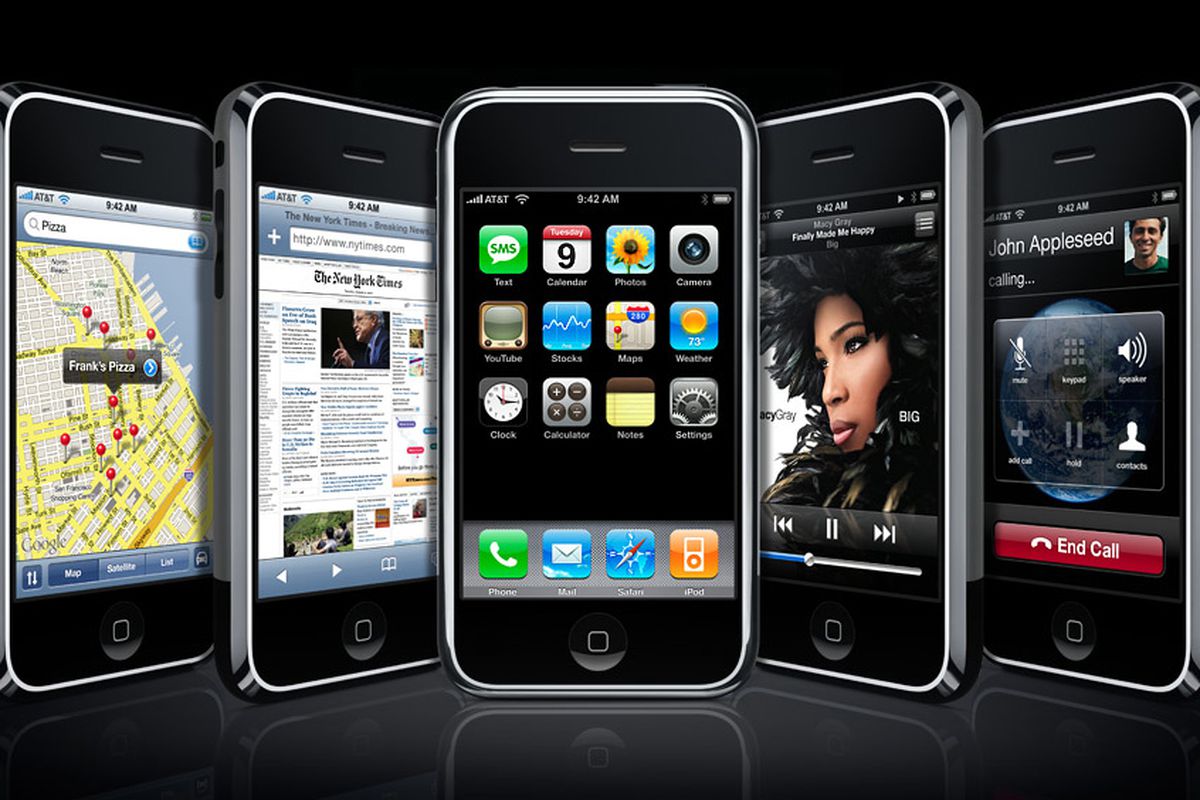
On August 3, T-Mobile concluded its 2G GSM network, rendering the original iPhone and other devices with 2G connectivity unable to maintain cellular service. This marks the end of 2G support for all three major U.S. carriers: T-Mobile, AT&T, and Verizon. AT&T halted 2G support in 2017, while Verizon discontinued it in 2020. As a result, devices such as smartphones, alarm panels, payment terminals, and IoT accessories that relied on 2G will no longer function.
T-Mobile had previously kept its 2G network active to support legacy customers and those using international roaming arrangements, but it has now worked with global carriers for a smooth shutdown. The original iPhone lost cellular support in 2017 when AT&T ended its 2G network, and now no workaround remains for these legacy devices.
All three carriers also discontinued 3G support in 2022 and have abandoned early LTE iPhones lacking VoLTE capability.
Written by urgent.news from MacRumors's reporting — not their text. Machine-written — may contain errors; check the original before relying on it.