Mitti Labs Bags $9.5 Mn To Make Rice Cultivation Water-Efficient
Climate tech startup Mitti Labs has raised $9.5 Mn (around ₹90 Cr) in its Series A funding round led by…
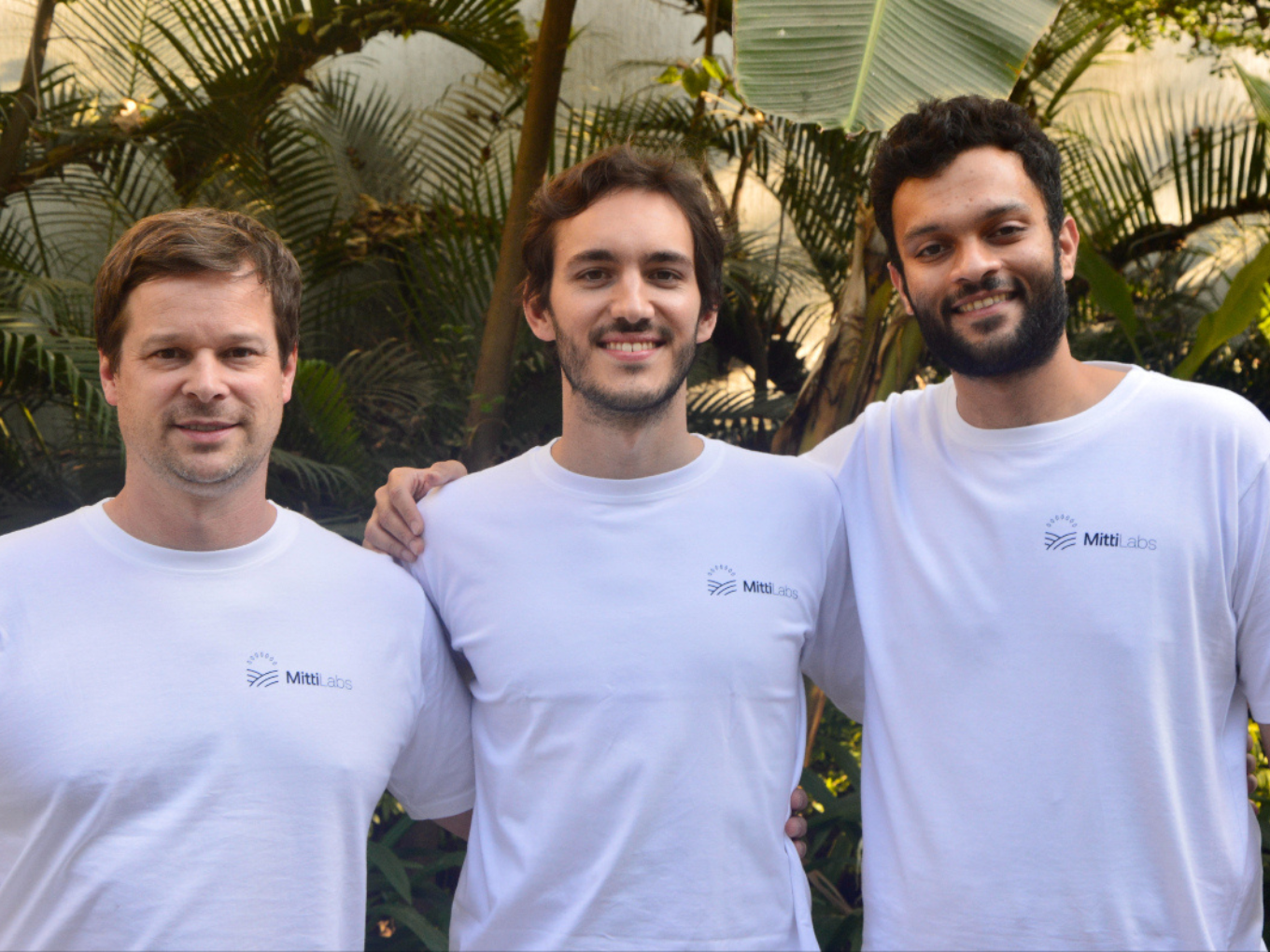
Climate technology firm Mitti Labs has successfully raised $9.5 million in Series A funding, with the round led by Aramco Ventures. Additional investors include Aramco Ventures, Godrej Industries Group, Cisco Foundation, Volta Circle, and Lightspeed India. Based in the US with a team in Bengaluru, the company plans to use the funds to expand its reach across India and establish new greenfield projects in the Philippines and Indonesia.
The capital will also bolster their Alternate Wetting and Drying (AWD) program, which reduces water usage by up to 40% and methane emissions by over half. Mitti Labs' technology integrates satellite radar, ground data, and physical models to create a digital twin of each farm, enabling them to verify water and methane savings through monetisable outcomes like carbon credits.
The startup currently collaborates with more than 150 million smallholder rice farmers, and with this funding, they have raised over $12.5 million since inception. The surge in investment comes as clean tech startups in India attract interest due to government subsidies, zero-emission commitments, and rising user adoption of green technologies.
In March 2024, Kimbal raised $22 million in Series B funding, while Newtrace secured $6.3 million in Pre-Series A funding, and Ecoil also closed a $2.5 million Series A round. The cleantech sector has raised a total of $8.8 billion between 2014 and 2025, with a projected compound annual growth rate (CAGR) of 15%.
Written by urgent.news from Inc42's reporting — not their text. Machine-written — may contain errors; check the original before relying on it.