Microsoft’s Quantum Chief Doesn’t Care That Scientists Don’t Believe His Results
Zulfi Alam thinks his team doesn’t need to “prove” they engineered a new state of matter in their bid to reinvent computing. Science would disagree.
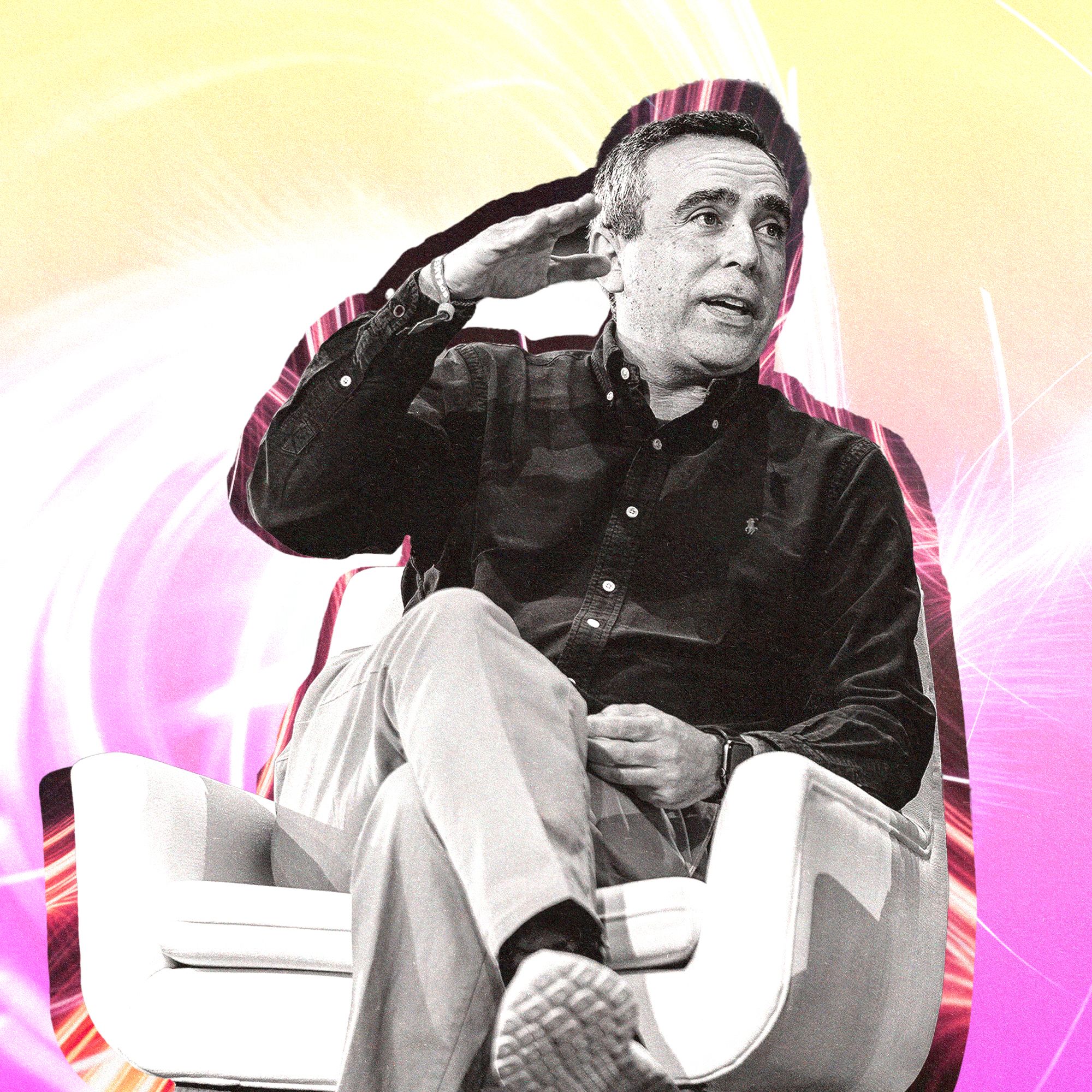
Microsoft’s chief in charge of quantum computing has expressed indifference to critics who doubt his team’s recent claims of successfully splitting an electron into Majorana quasiparticles. The software company is part of a growing competition among tech giants and startups to develop functional quantum computers. These machines could revolutionize various industries by solving problems that are currently impossible for classical computers.
Quantum computers function differently from traditional machines by processing information using units called "qubits." Microsoft employs various methods to create these qubits, including neutral atoms, charged atoms, and light. However, Majorana particles, first theorized nearly 90 years ago, remain difficult to demonstrate. The company’s long-standing research project on these particles has faced skepticism from the scientific community due to the inability to rule out alternative explanations for the observed signals.
Last year, Microsoft retracted a paper published in Nature that purported to provide evidence of Majorana particles after independent physicists raised concerns about the data analysis. In a more recent development, Microsoft announced the creation of a qubit that is 1,000 times more reliable than its previous version in June. However, scientists are still questioning the Majorana work, as Microsoft refuses to share the raw data behind its results due to commercial sensitivity.
Company officials argue that the publishing process is too slow and that the scientific community should adapt to the rapid pace of advancements in the field. Critics, on the other hand, maintain that peer review is crucial for establishing the scientific foundation of quantum computing technologies. Microsoft aims to build a functional quantum computer by 2029 and believes that showcasing the working machine will eventually convince the scientific community of their claims.
Written by urgent.news from Wired's reporting — not their text. Machine-written — may contain errors; check the original before relying on it.