“La torre Eiffel es un supositorio acribillado de agujeros”: cuando los grandes monumentos no gustan a todo el mundo
Los ejemplares arquitectónicos seleccionados en este artículo han tenido arrojados defensores, pero también airados detractores que los consideran “una fealdad desconcertante” e incluso una “depravación”
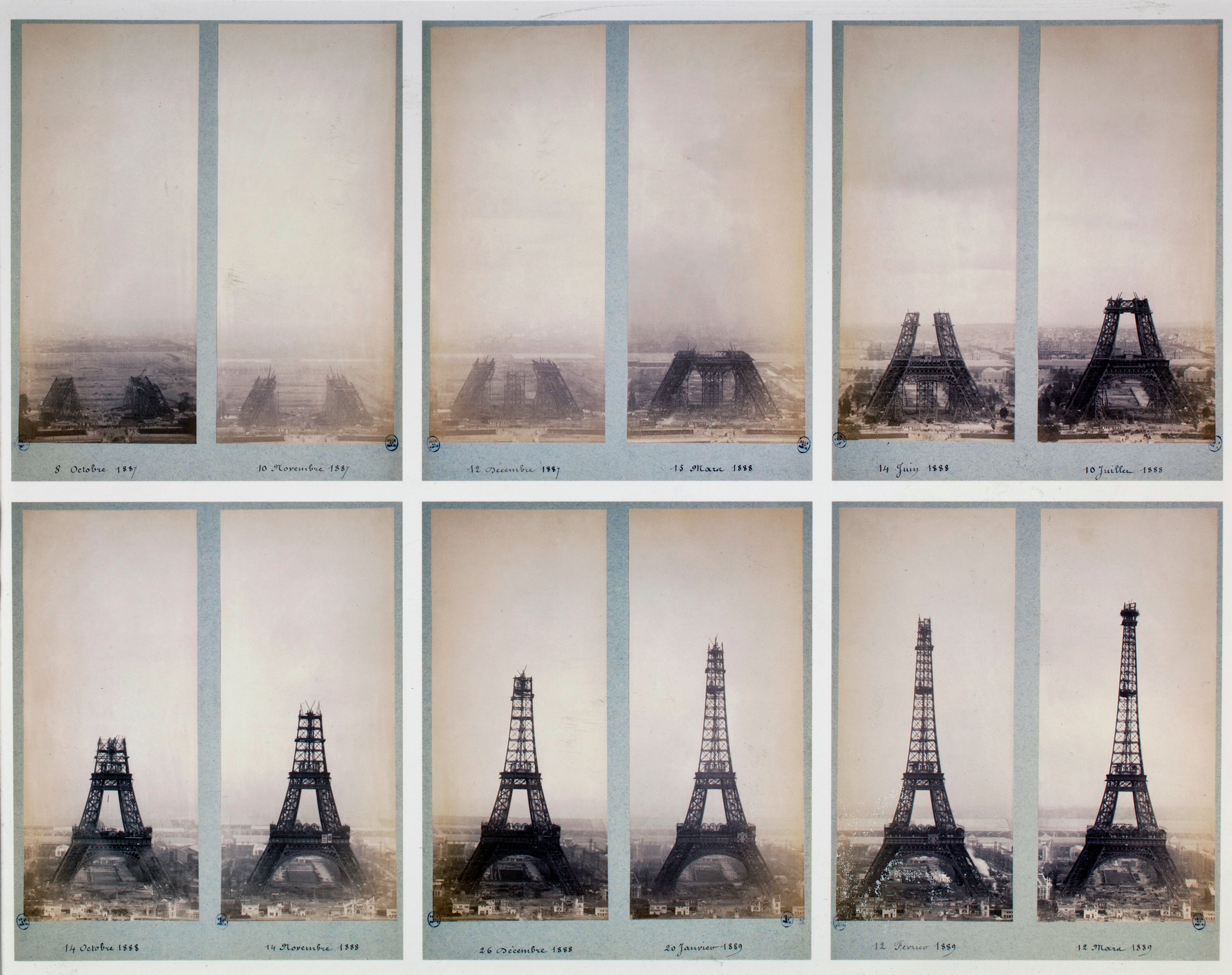
The Eiffel Tower, like a pillory teeming with holes, is a testament to the fact that not all architectural marvels are universally beloved. When one considers the adage of sublime to ridiculous being but a step away, as attributed to Napoleon (among others), it becomes evident that some architectural specimens might not fully cross that threshold.
After all, opinions differ from person to person. While many may perceive it as a magnificent feat of art and construction, others may find it gaudy or conventional, or even overly modern. It is no coincidence that the monuments featured in this selection were conceived during the last quarter of the 19th century, a critical period for Western architecture.
Amidst the Industrial Revolution, when engineering promised a future of iron, steel, and glass, much of Europe yearned for medieval cathedrals, vanished empires, and national glories. Concurrently, the rise of Art Nouveau or modernism introduced flowing forms suitable for a bourgeois sensibility. Amidst societal revolutions and politics, architecture too played a significant role.
In this context of conflict and contradiction, buildings such as the Eiffel Tower, Sagrada Familia, Sacré-Cœur, Altar de la Patria, Neuschwanstein Castle, and Almudena Cathedral emerged, each controversial yet celebrated by their champions.
Written by urgent.news from El Pais's reporting — not their text. Machine-written — may contain errors; check the original before relying on it.