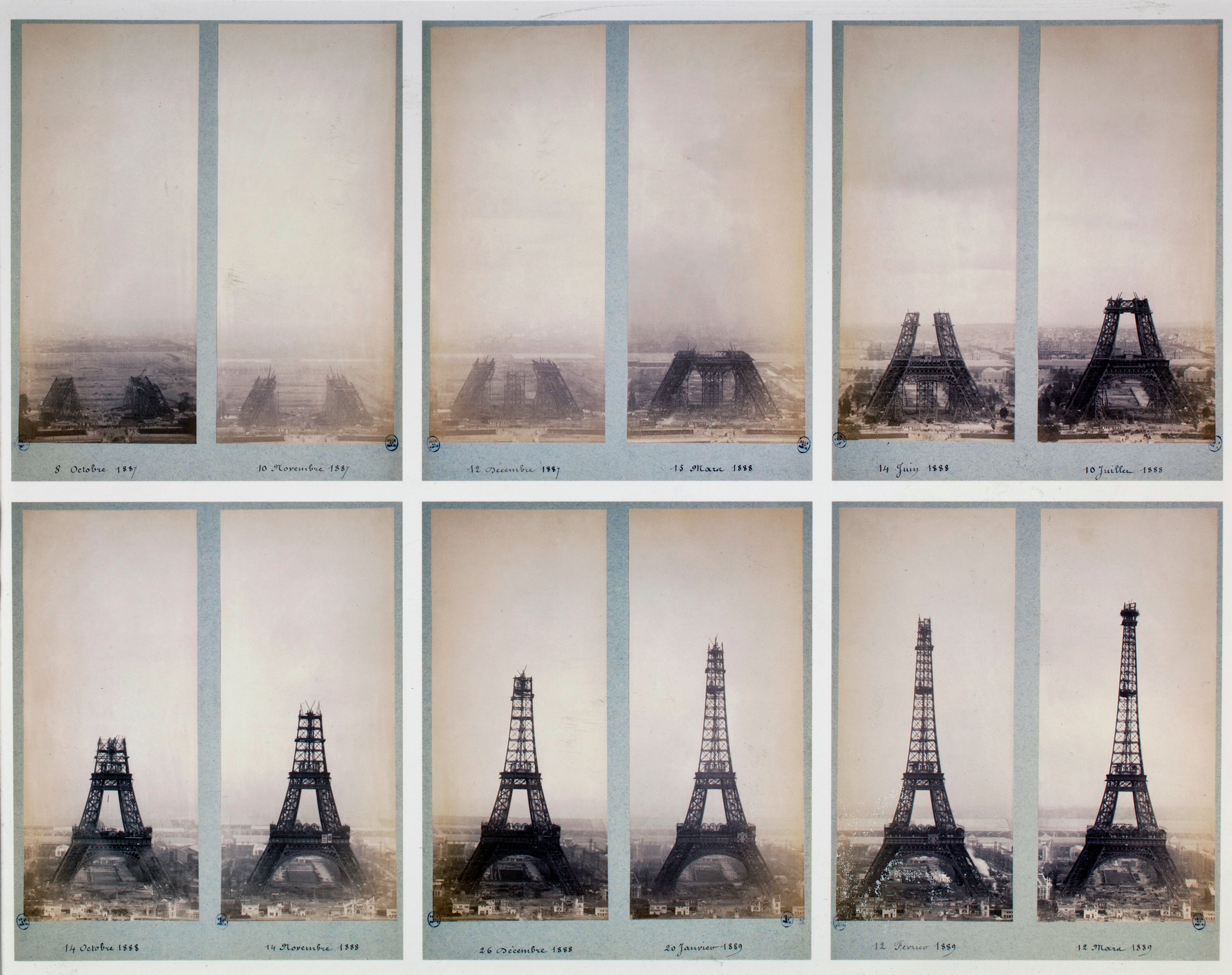
"The Eiffel Tower is a suppository riddled with holes": when grand monuments don't please everyone
The architectural specimens selected in this article have had outspoken defenders, but also angry detractors who consider them “a disconcerting ugliness” and even a “depravity”.
If from the sublime to the ridiculous there is only one step, according to the maxim attributed to Napoleon (among others), in some architectural specimens that step is not even taken. Everything can coexist: in reality, it depends on who judges them. Where many people can see a constructive and artistic prodigy, others may be put off by the pomp or conventionality of the proposal or, on the contrary, its excessive modernity.
It is no coincidence that the monuments included in this selection were originally conceived in the last quarter of the 19th century, a critical moment for Western architecture. In the midst of the industrial era, while engineering promised a future of iron, steel, and crystal, much of Europe, perhaps as a reaction, continued to dream of medieval cathedrals, vanished empires, and national glories.
At the same time, the triumph of Art Nouveau or modernism began, with its wavy forms suitable for bourgeois taste. Meanwhile, social revolutions were exploding and politics meant everything, including architecture. In this context full of confrontations and contradictions, buildings as different as the Eiffel Tower, the Sagrada Familia, the Sacré-Cœur, the Altar of the Fatherland, Neuschwanstein Castle, or the Almudena Cathedral appeared.
All of them have had staunch defenders, but also detractors who for different reasons have considered that above all they are monuments to bad taste.
Translated by urgent.news. Machine-written — may contain errors; check the original before relying on it.