Japanese street photography master Daido Moriyama breaks all the rules of photography, but you can’t argue with these astonishing photos
A huge new show currently taking place in Paris pays tribute to the 200th anniversary of the birth of photography The post Japanese street photography master Daido Moriyama breaks all the rules of photography, but you can’t argue with these astonishing photos appeared first on Amateur Photographer .
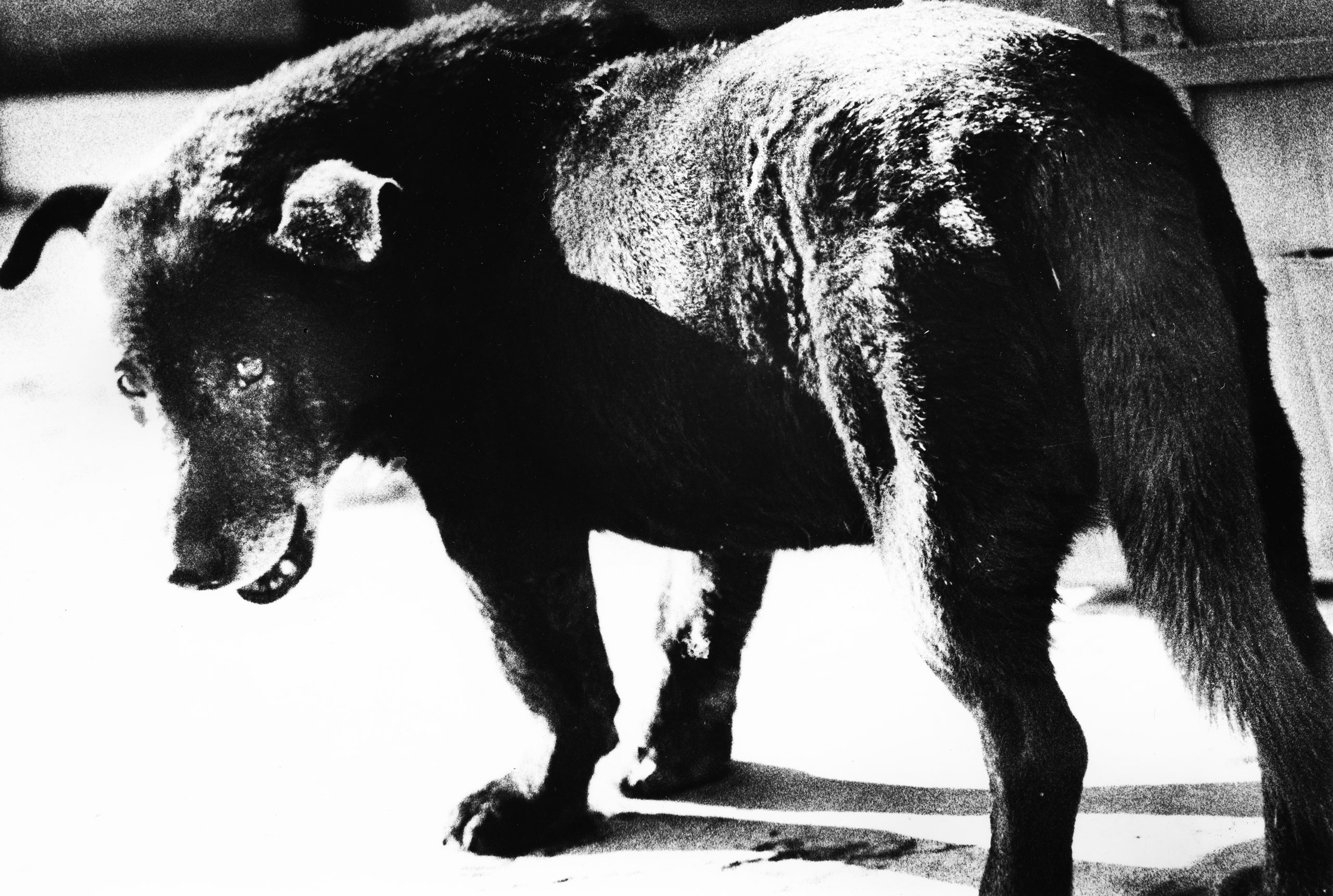
An exhibition named Love Letters to Photography, curated from the Moriyama Foundation, displays over 60 photographs, documents, and publications of the famed Japanese photographer, Daido Moriyama. Moriyama famously stated, “I can’t photograph anything without a city… For me, cities are enormous bodies of people’s desires and as I search for my own desires with them, I slice into time, seeing the moment.”
Known for his gritty monochrome street photography, Moriyama is a pioneer who disrupts conventional norms, eliciting diverse reactions from critics. French critic Hervé Chandès appreciates his dark, sullen urban vision of Japan, while Simon Baker of the Tate describes his work as 'wilfully abstract'.
Born on the outskirts of Osaka in 1938, Moriyama began his photography career in 1961 during a time of immense change in Japan. Following the country's defeat in the war, Japanese people were humbled and disoriented, with many urban neighborhoods devastated. Japan's post-war focus was on rapid development and urbanization, aided by American fears of communism.
It was not until the successful 1964 Tokyo Olympics that Japan returned to the international stage. Thus, Moriyama's early work centered on the dislocation caused by rapid modernization and the 'left behind' areas and people struggling with change.
Moriyama's style was intentionally rough and unpolished, conveying urban anxiety and uncertainty through blur, wonky horizons, and other techniques. This was not merely an aesthetic choice but reflected Moriyama's own state of being—a downtrodden and uncertain photographer, living as an assistant and staying in Tokyo flop-houses while working on his projects.
Instead of focusing on 'correct' exposure or perfect framing, Moriyama prioritized quick, decisive 'snapshots,' executing images with the speed and single-mindedness of a master swordsman. His 1972 collection, Shashin yo Sayonara, is filled with deliberate errors and even includes negatives he discarded in the studio.
Written by urgent.news from Amateur Photographer's reporting — not their text. Machine-written — may contain errors; check the original before relying on it.