Iran threatens to ‘black out’ Gulf if US hits power plants
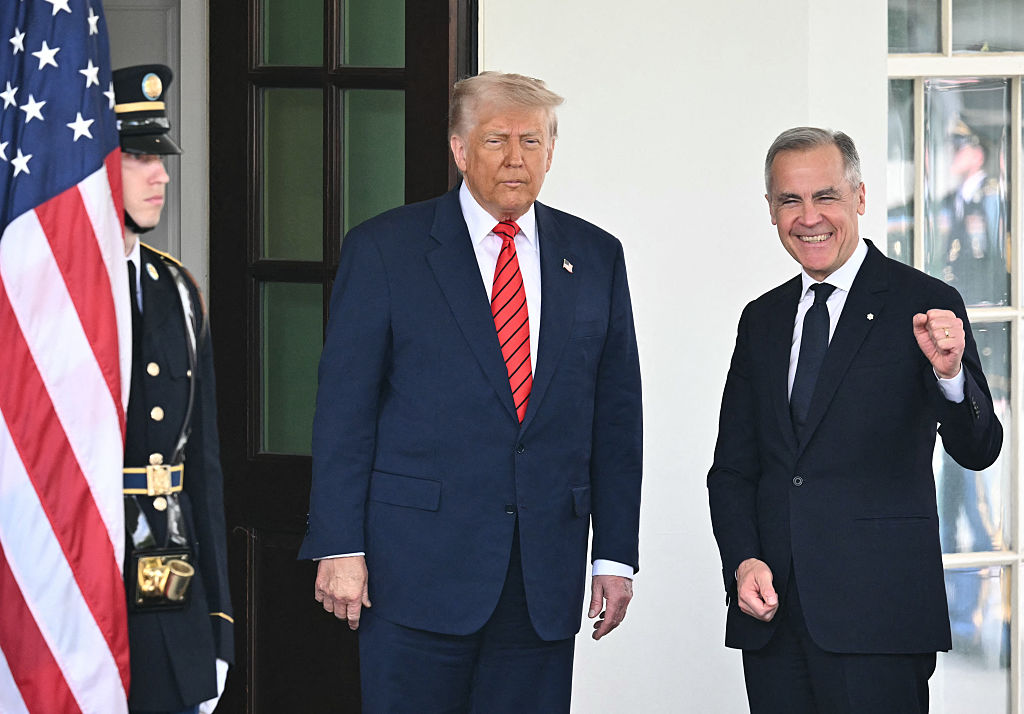
The warning followed US president Donald Trump's threat of a massive attack on Iran, which he later walked back, citing requests from Gulf states and hopes for a breakthrough in talks.
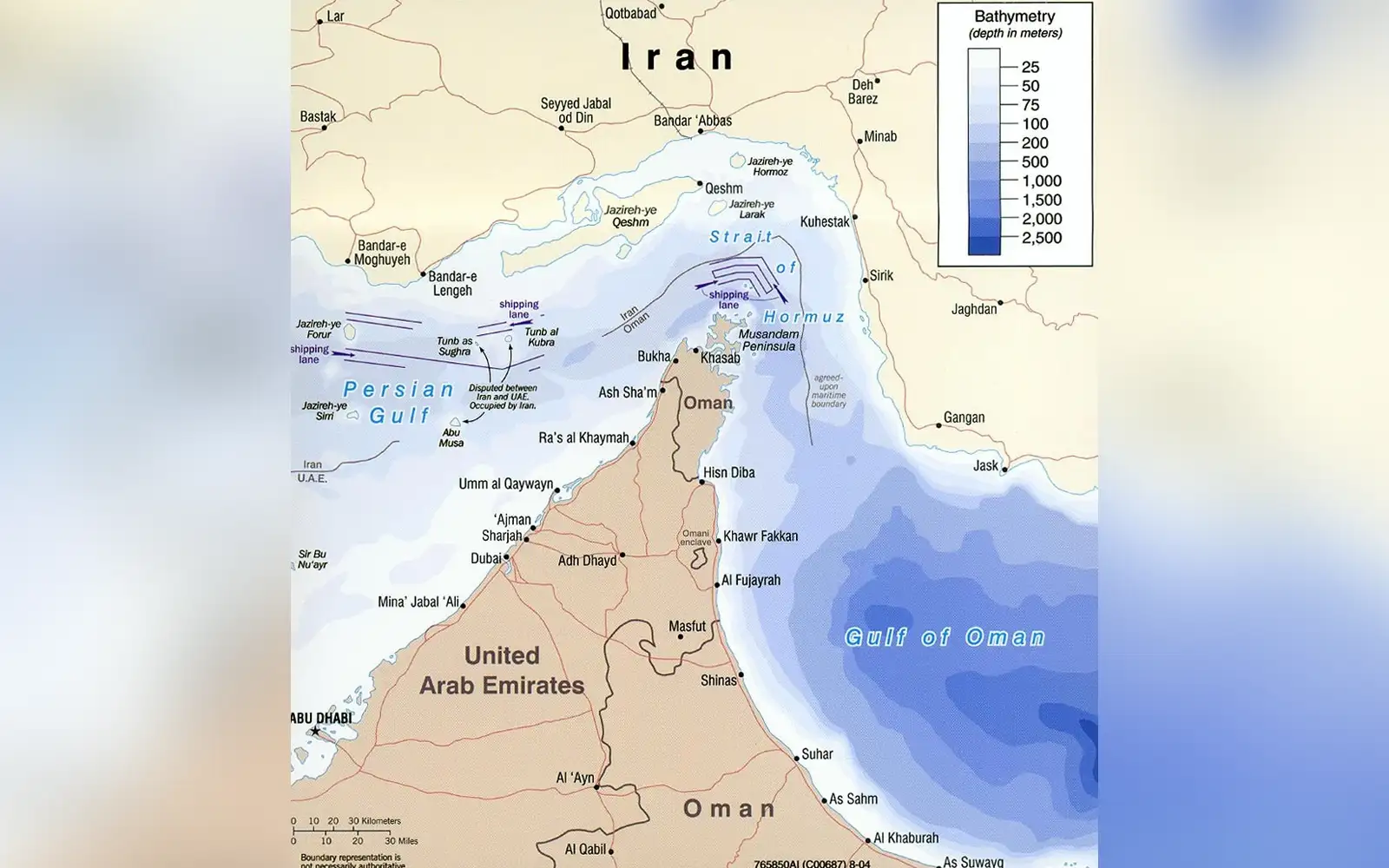
Iran has issued a serious warning to its Gulf neighbors, threatening to "black out" the entire region if the United States attacks its power plants. This alarming message comes after US President Donald Trump threatened a massive strike against Iran, a claim he later walked back due to pressure from Saudi Arabia, the United Arab Emirates, and Qatar.
The threat of widespread power outages in the Gulf has rattled regional officials, who have confirmed the severity of Iran's message. The threat includes a detailed list of specific targets, such as water desalination facilities, which are crucial for the mostly desert region's access to drinking water. The tension between Iran and its Gulf neighbors has been ongoing, with Iran targeting US assets, energy sites, ports, and airports.
While a ceasefire and memorandum of understanding was reached in April and June, recent spikes in exchanges of fire have increased the threat level.
Written by urgent.news from Free Malaysia Today's reporting — not their text. Machine-written — may contain errors; check the original before relying on it.
Also reported by 1 other outlet
- Iran threatened to 'black out' Gulf if US hit power plants: Officials channelnewsasia.com