In Manila’s shadow, a forest refuge still shelters rare plants
A mountainous reserve near Manila, the Philippine capital, is a critical ecological refuge, harboring high levels of plant diversity despite its proximity to the highly urbanized city, according to a recent study. The findings come from surveys done 10 years earlier, however, and mounting pressures on the area’s forests since then may have had an […]
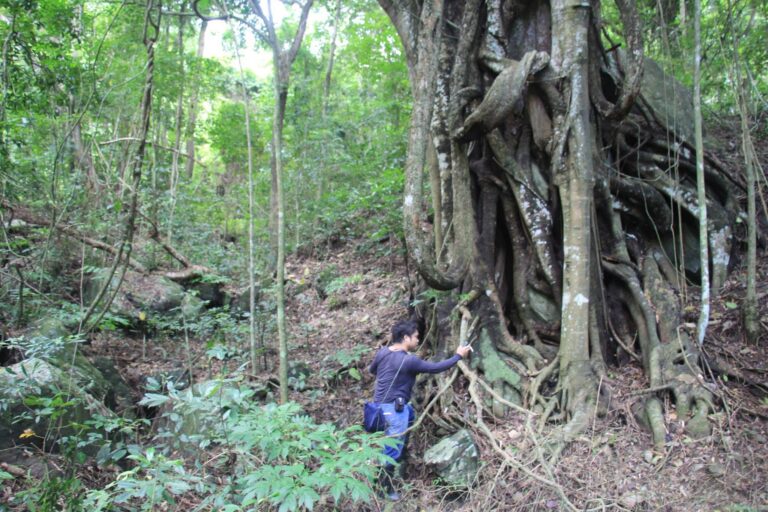
In the shadow of Manila, the Mounts Palay-palay-Mataas-na-Gulod Protected Landscape in Cavite province remains a vital ecological refuge, preserving a significant concentration of biodiversity, according to a recent study. Conducted a decade ago, the research documented 294 plant species across the varied habitats within the landscape, which includes grasslands, secondary forests, and old-growth stands.
The study, led by Assistant Professor Enrico Replan from the University of the Philippines Diliman's Institute of Environmental Science and Meteorology, revealed that 42 species, or 16%, are endemic to the Philippines, while 31 are classified as threatened.
The researchers highlight the remarkable resilience of the landscape in maintaining high biodiversity levels despite its proximity to Manila, one of the world's most densely populated cities. Among their findings, 43 species were identified as potential new records for the province of Cavite, addressing major gaps in geographic knowledge.
The dominant presence of guijo (Shorea guiso), a critically endangered tree species, in the forest's interior core underscores the landscape's role as a critical stronghold for Philippine biodiversity. However, the authors caution that recent mounting pressures on the area's forests may have impacted the landscape since the study was conducted.
Written by urgent.news from Mongabay's reporting — not their text. Machine-written — may contain errors; check the original before relying on it.