I added a UPS to my NAS and now I never have to worry about power outages — or unexpected data loss
The US3000 is a mini UPS that offers plug-and-play power protection for Ugreen NAS devices to keep them running and your data safe during power outages.
In an effort to cut down on monthly subscription costs and maintain control over their data, many individuals are opting for local storage and physical media backed up on a home NAS. Prior to adopting such a setup, the author was wary of the potential data loss that could occur due to sudden power outages, a risk they knew all too well from their previous experiences.
After incorporating a Network Attached Storage (NAS) into their home network, the author has enjoyed the convenience of accessing their files remotely, much like they did through the cloud, but without the added expense. Additionally, the NAS has allowed them to stream their favorite movies directly from their home network, eliminating the need to switch between various streaming services.
However, with this new setup, the author still faced the challenge of frequent power outages, which they had to manually address by restarting their NAS. This was not only time-consuming but also caused concerns about potential data corruption or mechanical failure on the drives. To combat these issues, the author decided to add an Uninterruptible Power Supply (UPS) to their NAS.
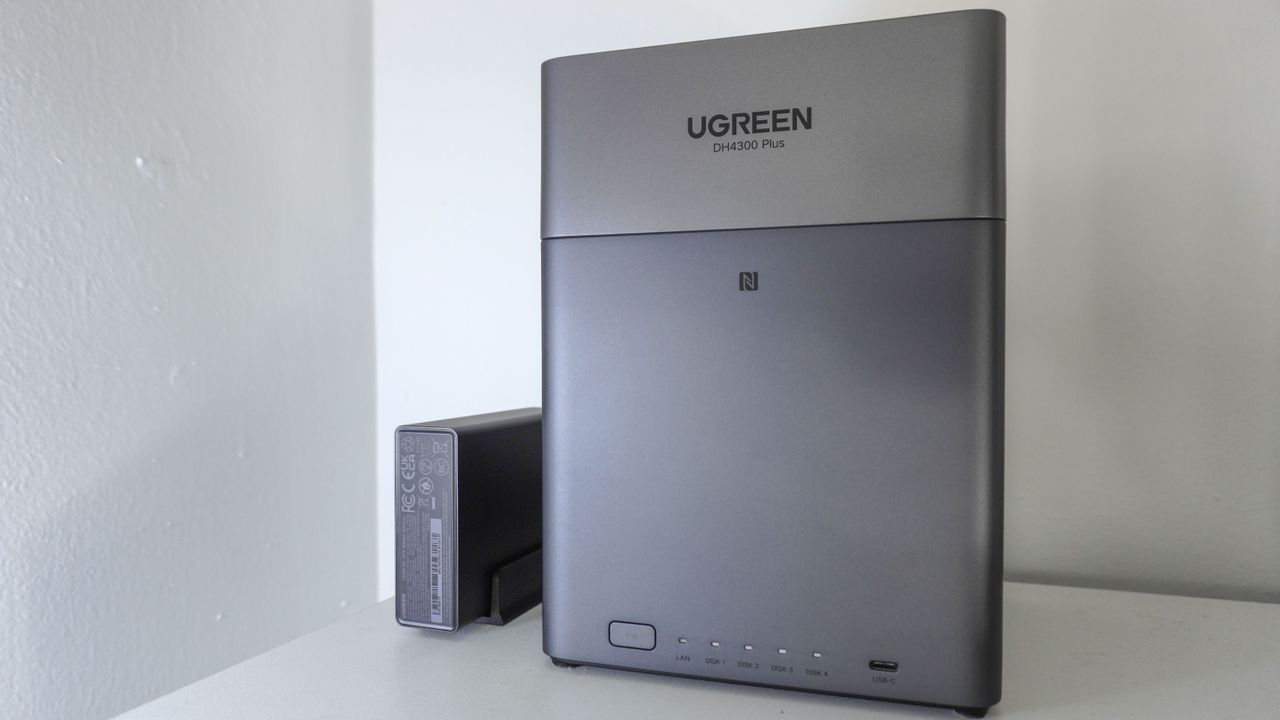
While UPS devices can be costly, the author found a more affordable option in the Ugreen US3000, which is specifically designed for Ugreen NASSync devices. This compact mini UPS features a 12,000 mAh battery, a zero-second transfer time, and seamless UGOS Pro integration, ensuring that the NAS is protected against unexpected blackouts and voltage fluctuations.
In contrast to larger UPS models, the Ugreen US3000 is designed to power a single device, making it easy to set up and integrate with the author's existing NAS. The device measures just 5.7 x 5.3 x 1.7 inches, making it more portable and easier to manage than its larger counterparts. Despite its small size, the US3000 is equipped with a 12,000 mAh battery, providing enough power to keep the NAS running for approximately 8-10 minutes during a blackout.
This allows the author to safely shut down their system or wait out brief power dips without risking data corruption. Setting up the Ugreen US3000 with the author's NAS was a straightforward process. After safely powering down their NAS, they connected the power adapter from the NAS to the UPS and then plugged the hardwired cable into the NAS itself.
Although the US3000 can function as a basic battery backup, the author found that connecting the device via USB enabled additional intelligent features, such as automatic status detection and safe system standbys. Once connected, the US3000 was recognized by the author's NAS, and they were able to access its control panel through the Ugreen desktop app on their computer or mobile device.
Written by urgent.news from Tom's Guide's reporting — not their text. Machine-written — may contain errors; check the original before relying on it.