How the U.S. Squandered Its Strategic Advantage
Idle threats and munitions shortages have boxed Trump in.
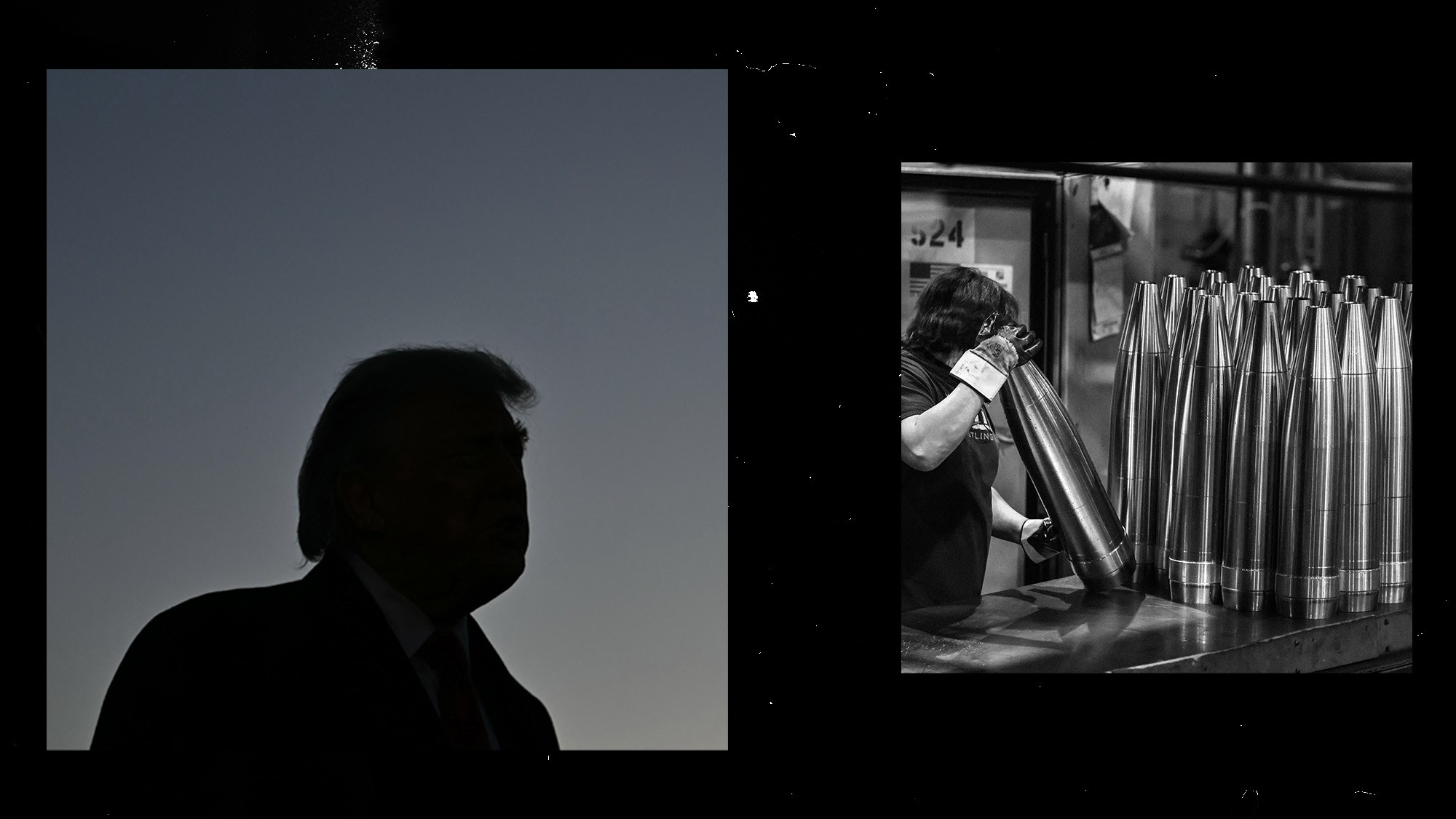
The United States finds itself in a precarious situation as its strategic advantage continues to diminish due to the depletion of missile stockpiles. After a five-month conflict with Iran, defense officials reveal that the remaining supplies of long-range weapons are alarmingly low, with some munitions constituting just 20 percent of what the Pentagon deems necessary.
Similarly, sophisticated interceptor missiles, such as Patriots and THAAD systems, are critically depleted, leaving the nation with limited options for defense or intervention.
Defense Secretary Pete Hegseth recently implored Republican lawmakers for billions of dollars to replenish America's missile arsenals, a request that underscores the urgent need for more munitions. However, the delivery of these contracts will not materialize in the short term, as production of crucial systems like the Patriot missile is not projected to meet demand until around 2030.
This delay is particularly concerning given that Iran has accelerated its own production of offensive drones and ballistic missiles, enhancing their capabilities.
The ongoing war in the Middle East is increasingly influenced by industrial supply chains and logistical challenges rather than mere economic or political considerations. President Trump's frustration with the situation is palpable, exacerbated by the stalemate and economic repercussions of the conflict. Despite his threats against Iran, Tehran remains confident and continues to test U.S. resolve, even launching attacks on American naval vessels in the Strait of Hormuz.
The shortage of interceptors poses significant risks, as escalation could lead to Tehran retaliating against U.S. allies in the region and American bases. While the administration maintains that Iran would face economic turmoil forcing them to negotiate, the reality is that Tehran shows no signs of yielding. This has led some to suggest diplomacy and concessions as the administration's least risky option.
However, the situation has been further complicated by recent developments, such as a proposed agreement between Oman and Iran to manage maritime traffic through the Strait of Hormuz. If implemented, this accord would allow Iran oversight of the critical waterway, potentially undermining U.S. interests. America's dwindling missile stockpiles have been a concern for years, but the recent Russian invasion of Ukraine in 2022 highlighted the severity of the issue.
The U.S. military's swift response to the 53-day campaign against the Houthis in Yemen, coupled with recent strikes on Iran, underscores the strain on military resources.
Written by urgent.news from The Atlantic's reporting — not their text. Machine-written — may contain errors; check the original before relying on it.