Hormuz ship ban triggers a jump in US yields, fuels Fed hike bets
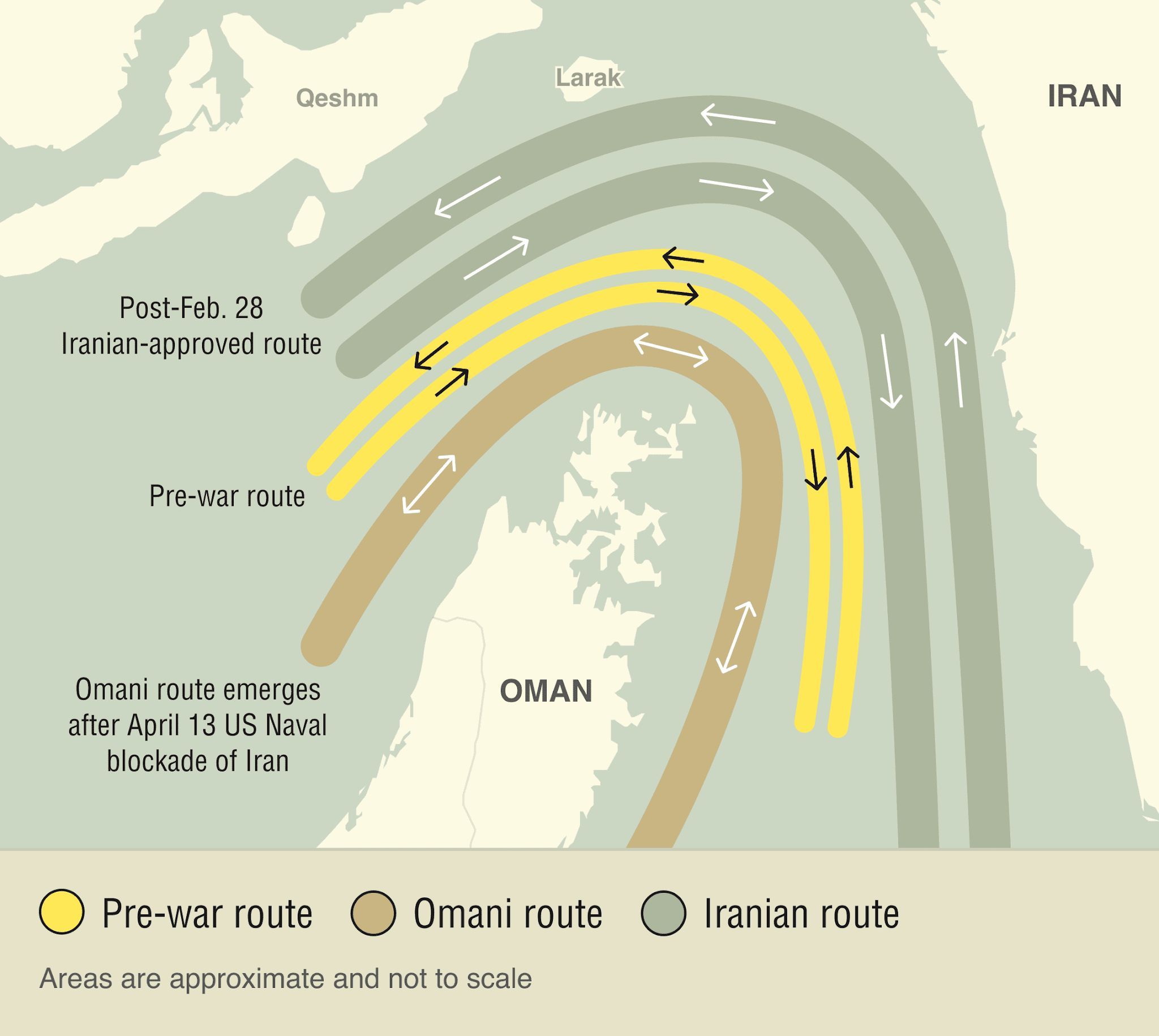
US Treasury yields climb along the curve on Thursday as media reports that the Iran-Oman deal would ban US and Israeli ships from entering the Strait of Hormuz drive crude prices higher, while traders await the latest employment report.

US Treasury yields increased across the curve on Thursday as reports emerged that an Iran-Oman agreement would prohibit American and Israeli vessels from sailing through the Strait of Hormuz, causing oil prices to rise. West Texas Intermediate (WTI), the benchmark for US crude, surged more than 2.85%, settling around $76.45 per barrel.
Tensions remained high due to ongoing attacks on Saudi Arabian tankers in the Red Sea by the Houthis. Speculation grew that the Federal Reserve might raise interest rates at their September meeting, with the probability standing at 58% for a 25 basis points hike, while there was a 42% chance of maintaining rates between 3.50% and 3.75%, according to Prime Terminal.
The 10-year Treasury note's yield rose to 4.672%, marking a six basis point increase, suggesting market participants were anticipating potential inflation and the need for a Fed rate hike. Earlier in the week, San Francisco Fed President Mary Daly indicated she favored maintaining current monetary policy, emphasizing the need for more data before a decision.
Fed Governor Lisa Cook expressed support for holding rates but stated readiness to act if inflation persists in stagnation. The US job market remained robust, with Initial Jobless Claims for the week ending August 1 at 199K, below the 202K forecast, and Challenger job cuts dropping to a two-year low in July. Traders now focused on the upcoming Nonfarm Payrolls report, expected at 80K, nearly double June's figure.
The Unemployment Rate was projected to remain stable at 4.2%. Interest rates, charged by financial institutions on loans and paid as interest to depositors and savers, are influenced by base lending rates set by central banks to maintain price stability, typically targeting a 2% core inflation rate. Higher rates generally strengthen a country's currency and put downward pressure on gold prices, as they increase the opportunity cost of holding gold instead of interest-bearing assets.
The Fed funds rate, set by the Federal Reserve during its FOMC meetings, is the rate at which US banks lend to each other overnight and is closely monitored by market participants.
Written by urgent.news from FXStreet's reporting — not their text. Machine-written — may contain errors; check the original before relying on it.