Urgent.News

the world's headlines, one feed

Editions

Tech

Garmin Fenix 9 details leak, and if true, we're getting three new watches — but the most interesting part of this reveal is about Garmin's screen technology

MIP Solar technology remains in Garmin's Fenix lineup, according to leaks, allaying fears the older screen tech was on the out.
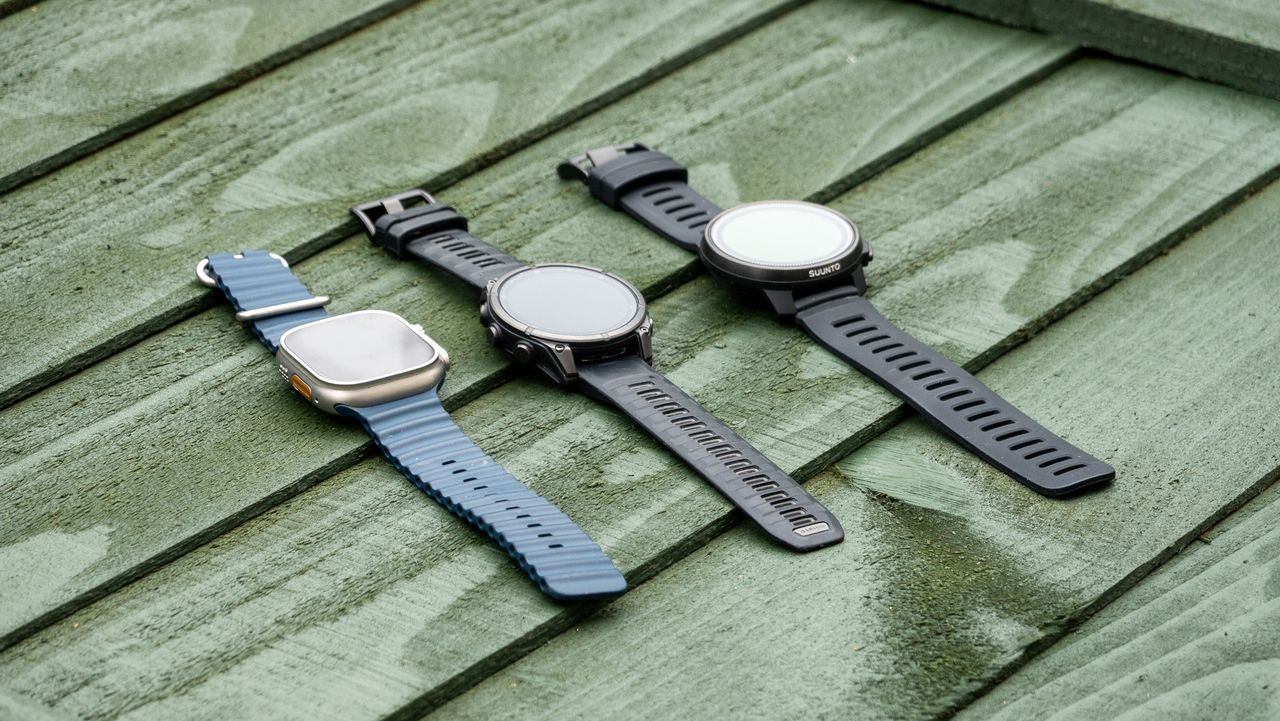
Garmin Fenix 9 details leak, and if true, we're getting three new watches — but the most interesting part of this reveal is about Garmin's screen technology

Garmin is rumored to be releasing the Fenix 9 watch range soon, with details suggesting three sizes and three models. Just like the Fenix 8 line, it will come in 43mm, 47mm, and 51mm sizes, with two versions: the base Fenix 9 and two upgraded models, the Fenix 9 Pro and Fenix 9 Pro InReach. The Pro line includes additional features like satellite communication, LTE connectivity, and the option for the MIP screen, which promises a more battery-efficient digital watch experience.

However, the standard Fenix 9 will stick with the AMOLED screen for now. This move away from the MIP technology could disappoint some fans who appreciated its low power consumption and unique look. With no further details on the Garmin Enduro 4, watch for more updates as we get closer to the likely launch date.

Written by urgent.news from TechRadar's reporting — not their text. Machine-written — it may contain errors, so check the original before relying on it.

Read the original at techradar.com →

More in Tech

Rust SIMD Just Came to the GPU — and It Changes How We Think About Parallel Programming

For decades, GPU programming has meant one of two things: writing CUDA kernels in C++ or wrestling with OpenCL. Both require you to think in a fundamentally different paradigm than CPU programming.

  • Rust SIMD now works natively on GPUs, bridging decades-long programming gap
  • VectorWare's GPU runtime enables SIMD code to run without modifications
  • Same Rust code can run on x86 CPUs, ARM devices, and GPUs with single codebase

Porting a Python PEG parser to Rust in 72 hours, and actually proving it worked

There's a joke that every Rust project starts with someone saying "we should rewrite this in Rust" and ends four weekends later with a half-finished repo and a lot of new opinions about lifetimes.

  • Team ported parsimonious Python PEG parser to Rust in 72 hours for Port Mortem 2026 hackathon
  • Rust parser achieved 23x performance increase over original Python parser
  • Optimized Rust parser used 6.7 MB memory vs. 13 MB, with 0.016 ms peak latency

Tired of JS for simple UI in Ruby?

Meet web_ruby_ui — write reactive client-side SPAs using 100% pure Ruby via WebAssembly. Features state management & VDOM diffing. Give it a try & share feedback!