Fuego Volcano's 50-Hour Eruption in Guatemala Sends Lava Fountains Almost 1,000 Feet High
Learn how the 50-hour eruption forced families from their homes and why rain could send dangerous lahars toward nearby communities.
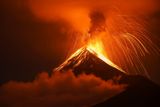
On Tuesday, August 4, 2026, Guatemala's Fuego volcano erupted for 50 hours, sending lava fountains soaring nearly 1,000 feet high and spewing ash into the sky. The AP reported scenes of devastation and evacuation efforts, with at least 18 communities affected and around 1,700 residents evacuated by Wednesday. The volcano's stronger phase occurred early in the eruption, with pyroclastic flows racing down its slopes and ash clouds spreading up to 62 miles away.
No deaths or building damage were reported, but rain could trigger dangerous mudflows known as lahars. Authorities placed the impacted departments under red alerts and closed schools and a major road, affecting about 29,000 people. While some residents began returning home, emergency officials warned them to stay away from drainage channels and remain prepared for potential further evacuations.
Written by urgent.news from Discover Magazine's reporting — not their text. Machine-written — may contain errors; check the original before relying on it.