From Bhargavastra to Indrajaal: How India's drone killers take on hostile UAVs, swarms
India is rapidly developing advanced counter-drone systems to counter aerial threats. Indigenous systems like Bhargavastra and Indrajaal offer diverse engagement capabilities. BEL's D4 system integrates multiple neutralization methods onto a single platform. The DRDO's precision-guided munitions extend aerial threat engagement options. These developments position India to effectively manage…
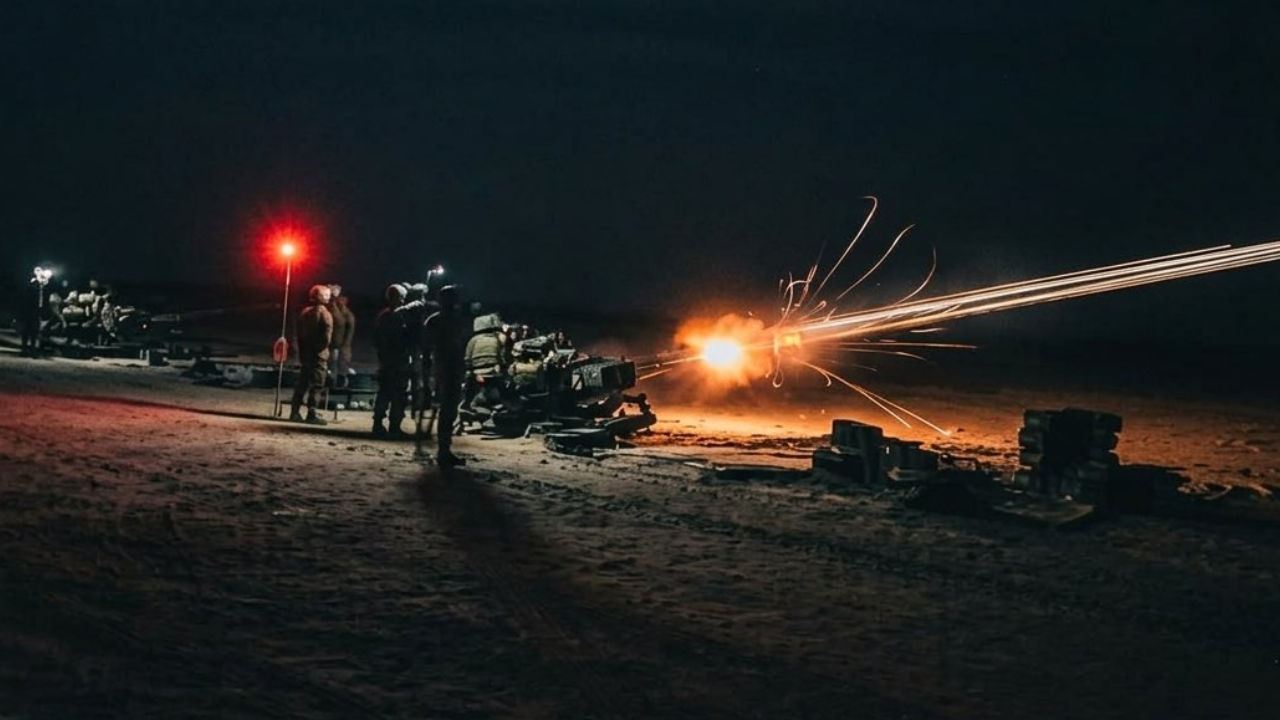
In the evolving landscape of modern warfare, drones are increasingly becoming a focal point of contention. Consequently, the development and deployment of counter-drone systems have gained significant momentum. These systems can be broadly classified into two categories: kinetic and non-kinetic, each employing distinct strategies to neutralize aerial threats.
The non-kinetic approach primarily aims to disrupt the communication link between the drone operator and the unmanned vehicle. This is achieved through the use of interference techniques such as signal jamming and the manipulation of GPS signals. In some instances, electromagnetic pulses (EMPs) are also utilized to disable drones, although this method is less frequently employed than its counterparts.
On the other hand, the kinetic segment of counter-drone systems focuses on the physical destruction of the targeted drone. This is accomplished through a variety of methods, ranging from traditional guns and missiles to specialized interceptor drones and high-powered lasers.
India's defense sector has been proactive in developing indigenous counter-drone capabilities. The nation's rapid advancements in this area underscore the growing significance of unmanned aerial systems in contemporary conflicts. Several indigenous systems, including Bhargavastra, Indrajaal, the D4 anti-drone system by BEL, UAV-launched precision-guided missiles, and interceptor drones, have been designed to counter hostile UAVs and drone swarms across diverse terrains.
The Bhargavastra system, developed by Solar Defence and Aerospace, is a vehicle-mounted solution designed to engage drones using precision micro-missiles. It is equipped with radar, electro-optical sensors, and radio frequency detectors, offering a multi-layered defense against both single drones and swarm attacks, even at high altitudes. The system has been successfully demonstrated to the Indian Army.
Indrajaal is another noteworthy development, employing radar, radio frequency detection, and artificial intelligence analytics to deliver both non-kinetic jamming and kinetic hard-kill capabilities via an interceptor drone known as the Zombee. This quadcopter-based solution acts as a flying interceptor, physically colliding with incoming hostile drones.
The DRDO-developed D4 anti-drone system, produced by Bharat Electronics Limited (BEL), is versatile in its application, available in both portable and vehicle-mounted forms. It integrates radar detection, radio frequency jamming, satellite navigation denial, and laser-based neutralisation into a single platform. The system has already been deployed for operational use.
Additionally, the UAV-Launched Precision Guided Munition (ULPGM), including the ULPGM-V3 missile, has been developed by DRDO. This compact missile is capable of engaging both ground and aerial targets and is designed with anti-jamming features and an indigenous supply chain for swift deployment. Adani Defence and Bharat Dynamics Limited (BDL) are the joint development and production partners for this weapon, which is still under development.
The aforementioned systems collectively form a comprehensive counter-drone shield. Bhargavastra offers a cost-effective hard-kill option, Indrajaal provides AI-driven area defense, BEL's D4 adds portable directed-energy and electronic warfare capabilities, while the ULPGM enhances precision engagement against aerial threats. Together, these systems mirror those being developed in the West, indicating that India is keeping pace with global advancements in this critical and rapidly evolving field.
Written by urgent.news from Times of India's reporting — not their text. Machine-written — may contain errors; check the original before relying on it.