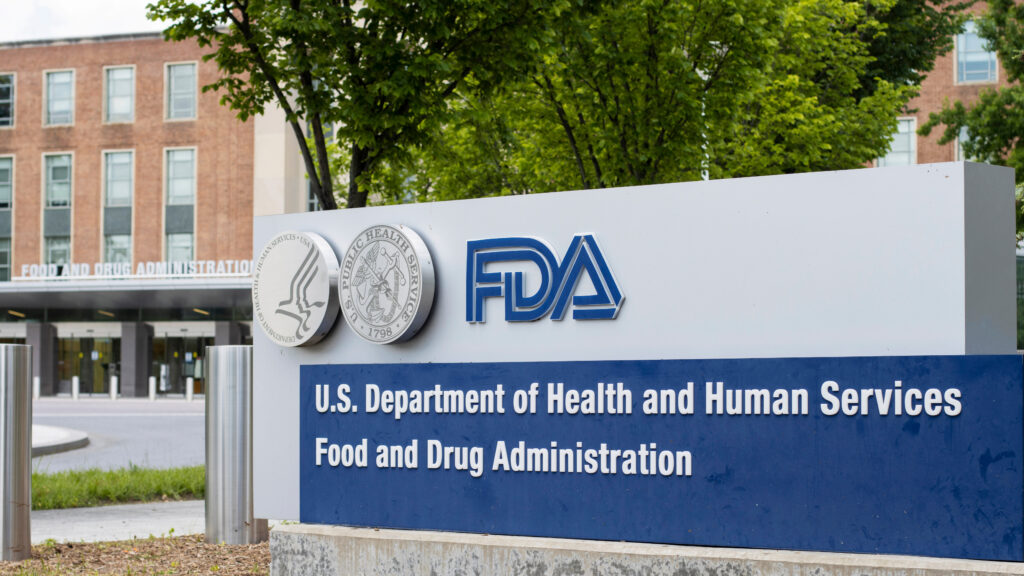
FDA Approves First mRNA Flu Vaccine But Limits Use to Older Adults
(MedPage Today) -- The FDA approved the trivalent flu vaccine mRNA-1010 (mFLUSIVA) for use in all adults age 50 years or older, Moderna announced on Wednesday. It is the first approved flu vaccine to use the mRNA technology that sped COVID-19 vaccine...

The U.S. Food and Drug Administration (FDA) has approved the first mRNA flu vaccine, mRNA-1010 (mFLUSIVA), for use in adults aged 50 years and older, according to Moderna's announcement on Wednesday. The vaccine represents the first flu vaccine to utilize mRNA technology, a platform instrumental in the rapid development of COVID-19 vaccines.
Moderna received traditional approval for adults aged 50 to 64 years, while accelerated approval was granted for individuals aged 65 and older, pending a postmarketing effectiveness study in this population. The approval for the younger group was based on the pivotal phase III Fluent randomized trial, which demonstrated that mRNA-1010 outperformed standard-dose flu shots in terms of relative vaccine efficacy.
The trial, involving over 19,000 adults aged 50 and up, revealed a relative vaccine efficacy of 26.6% among all participants and 27.4% among those aged 65 and older.
Adverse reactions to the vaccine were generally mild to moderate and transient, with serious adverse event rates of 2.2% in those who received mRNA-1010 and 1.9% in the standard-dose group. The FDA's decision underscores the continued strength and versatility of the mRNA platform. Moderna's CEO, Stéphane Bancel, highlighted the approval as evidence of the platform's potential to address public health challenges through scientific innovation.
Ronald Nahass, MD, president of the Infectious Diseases Society of America, expressed welcome news, emphasizing the technology's potential for rapid responses to emerging virus mutations. Unlike conventional manufacturing methods, the mRNA platform facilitates streamlined vaccine development and swift adaptation to viral changes.
The FDA's approval nearly fell through under the leadership of HHS Secretary Robert F. Kennedy Jr., a known anti-vaccine activist. Initially, the FDA rejected Moderna's application, citing inadequate trial data. However, after Moderna presented immune response data indicating that the vaccine matched or surpassed the performance of high-dose vaccines in older adults, the FDA reversed its decision.
The FDA's Vaccines and Related Biological Products Advisory Committee subsequently unanimously endorsed the vaccine, concluding that its benefits in preventing flu outweighed the risks for adults aged 50 to 64 and 65 and older.
The mRNA flu vaccine, designed to target influenza A/H1N1, A/H3N2, and B/Victoria strains, is expected to be available in the U.S. for the upcoming 2026-2027 flu season.
Written by urgent.news from MedPage Today's reporting — not their text. Machine-written — may contain errors; check the original before relying on it.