Engineered Human Interneuron Transplants Repair Respiratory Circuits in Injured Rats
Transplanted human interneurons, a type of nerve cell, formed working connections in the injured spinal cords of rats and improved breathing, supporting their potential as a possible treatment for spinal cord injuries in people. The post Engineered Human Interneuron Transplants Repair Respiratory Circuits in Injured Rats appeared first on GEN - Genetic Engineering and Biotechnology News .
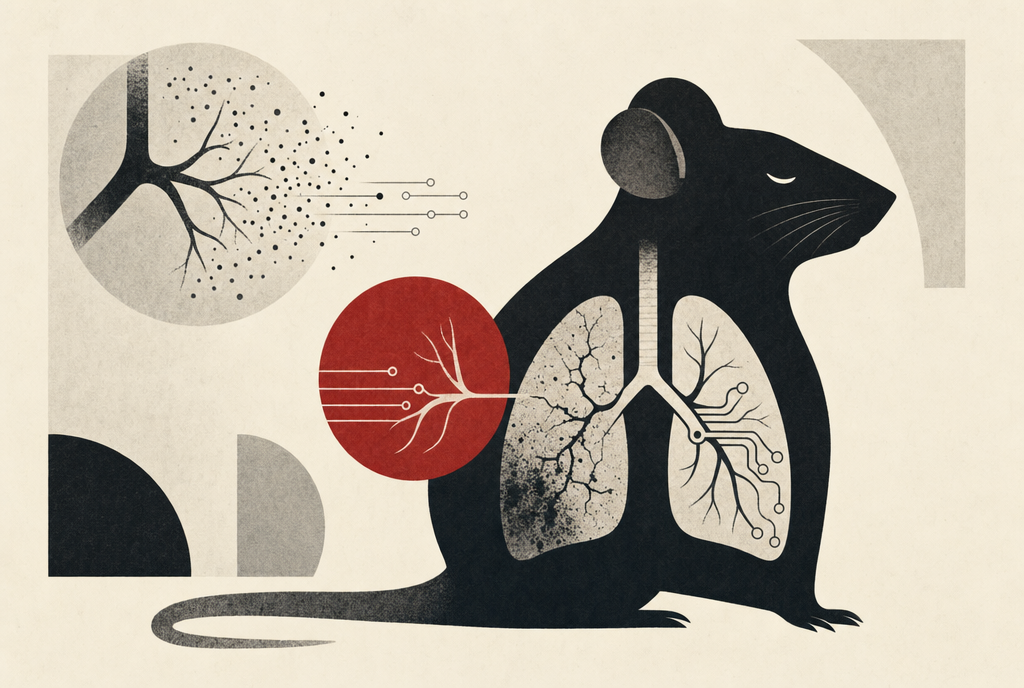
A new study published in Science Translational Medicine details how scientists at Gladstone Institutes successfully used human stem cell-derived spinal interneurons to repair injured rat spinal cords, improving respiratory function. The research focused on V2a interneurons, which are crucial for controlling movement and are implicated in recovery after spinal cord injury.
By engineering these interneurons from human induced pluripotent stem cells, the researchers created cells that not only survived transplantation but also formed new connections to repair damaged neural networks. The study showed that these transplanted cells improved breathing-related motor function in injured rats, particularly in low oxygen or high carbon dioxide environments.
The scientists identified a specific subset of V2a interneurons that were most effective at connecting with the host animal’s breathing circuit, suggesting potential for further refinement in future studies. The team plans to test the therapy in larger animals and evaluate its effectiveness in injured spinal cords months or years after injury.
Additionally, they aim to expand the treatment to other neural circuits, particularly those controlling arm and hand function.
Written by urgent.news from GEN Biotechnology's reporting — not their text. Machine-written — may contain errors; check the original before relying on it.