DeepMind AI gives an extra day of warning ahead of deadly cyclones
An AI model from DeepMind can predict cyclones three days ahead with a level of accuracy that previous models can only hit a day later
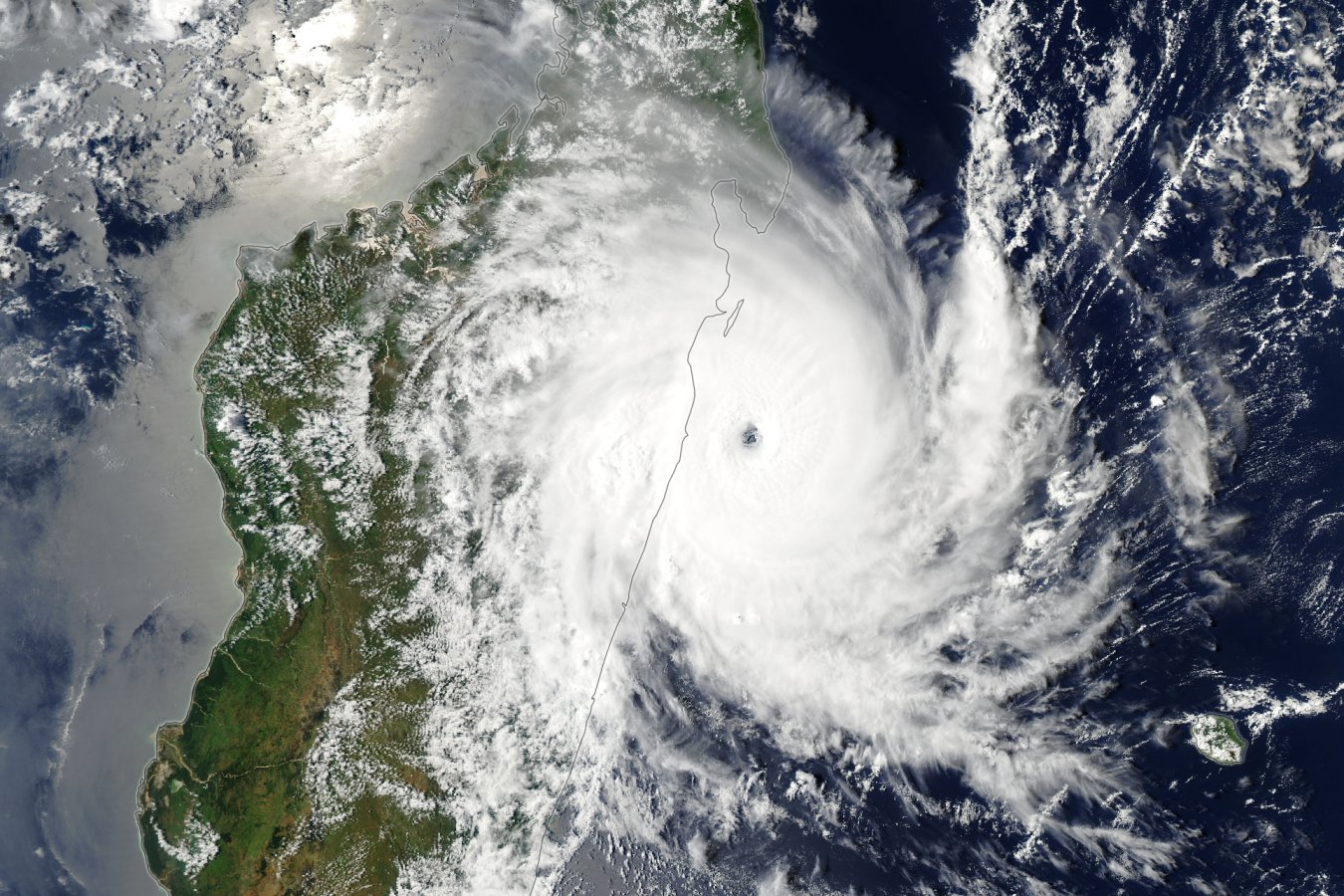
DeepMind's artificial intelligence (AI) model, WeatherNext, has demonstrated the ability to predict deadly cyclones one day in advance compared to existing methods. This breakthrough could save lives by enabling more accurate and timely evacuation decisions. Traditional weather forecasts typically rely on physics simulations run on supercomputers to model and extrapolate weather patterns.
In contrast, WeatherNext generates a 15-day forecast in under a minute using one of Google's custom Tensor Processing Unit chips, while physics-based models can take days of high-powered computer time.
The AI model operates on a simulation of the atmosphere with the smallest cell being 28 square kilometers, making it a hundred times less granular than traditional models. It was trained on nearly 20 terabytes of global atmospheric data and 5000 historical storm records, which the DeepMind team believes was crucial for improving WeatherNext's accuracy in predicting new cyclone behavior.
WeatherNext outperformed existing forecasts in predicting maximum wind speed and the distance error between a cyclone's predicted location and actual eventual location when evaluated three days out. However, DeepMind acknowledges that the research has evolved since publication, and the company is actively working on creating even faster and more accurate models. The firm has a history of improving weather forecasting, including developing a short-term, local model in 2021 and a 10-day forecast model in 2023.
Hannah Cloke, a meteorologist from the University of Reading, UK, has witnessed a significant shift in meteorology due to AI advancements in recent years. She emphasizes that the field moves at such a rapid pace that cutting-edge research is often 18 months ahead of published papers. While AI models have gained consensus as faster, cheaper, and often more effective than traditional physics-based methods, Cloke stresses the importance of maintaining meteorological expertise.
She notes that some new AI researchers may lack the necessary meteorological background to ensure the models produce sensible results.
Despite the rapid success of AI models in meteorology, some experts, like Tim Palmer from the University of Oxford, remain skeptical about their ability to predict truly anomalous, one-off events. Palmer advocates for a new testing method that excludes past anomalous events from AI training data to assess their ability to predict such occurrences.
This concern becomes more critical as climate change makes weather patterns increasingly chaotic. Additionally, Palmer warns that relinquishing numerical, physics-based models in weather forecasting could negatively impact climate models, as both fields share a significant portion of their code.
Written by urgent.news from New Scientist's reporting — not their text. Machine-written — may contain errors; check the original before relying on it.
This story
This is one outlet's version. Read the fullest account.