California mints the most billionaires. A new index ranks it dead last on the freedom to give to charity
A scorecard puts the nation's wealthiest state at the bottom for its philanthropy policy.
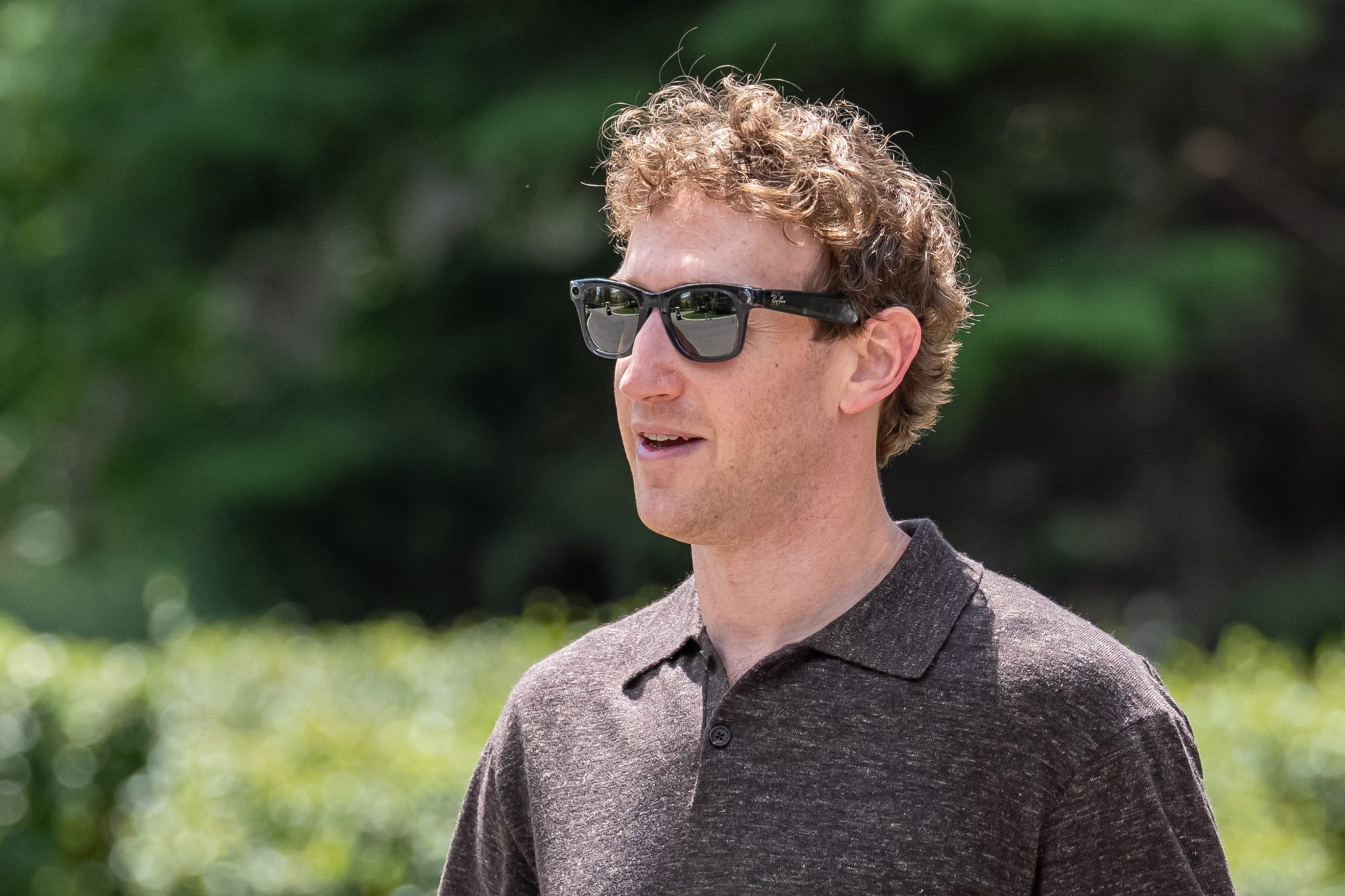
California leads the nation in terms of billionaire residents, boasting 246 of them, yet it ranks dead last in terms of donor freedom according to a recent index by Philanthropy Roundtable. This index evaluates all 50 U.S. states based on how accommodating their laws are to charitable giving and nonprofit activity. The state scored a mere 2.73 out of 10, primarily due to its complex regulatory environment and the challenges faced by charities in registering, reporting, and receiving donations.
The report specifically highlights California's requirement for charities to register for donation solicitations, undergo audits once revenues exceed $2 million, and pay substantial fees such as a $1,200 annual reporting fee and a $500 fee for paid solicitors. Additionally, the state offers no general sales tax exemption for charities, lacks legal standing for donors to enforce their intentions, and provides only "very weak" protections for restricted gifts and endowments.
These measures place a significant administrative burden on smaller organizations, potentially diverting resources from their missions and discouraging the formation of new charities.
Despite these challenges, California's billionaire philanthropists, including MacKenzie Scott, Jensen Huang, and Mark Zuckerberg, have continued to donate generously to the state, most notably in areas like public education. For instance, Scott has donated over $461 million to California public education institutions since 2021, while Huang and his wife have contributed $75 million to a university art, architecture, and design school in San Francisco.
Meta CEO Mark Zuckerberg and his wife have pledged over $7 billion through their foundation in Redwood City.
However, these generous donations do not alleviate the burdens faced by smaller charities and nonprofits operating in the state. The compliance requirements and regulatory costs can be exponentially more expensive for smaller organizations, which often rely on volunteers and limited staff. This creates a dichotomy where large donors can afford to navigate the complex regulatory landscape, while smaller nonprofits struggle to keep up, ultimately hindering overall philanthropic activity in the state.
Written by urgent.news from Fortune's reporting — not their text. Machine-written — may contain errors; check the original before relying on it.