Why you should practice ‘Inside Out’ leadership
We are all on a quest. The job role we fulfill or the products we sell are just the costumes and exterior wrapping. It turns out that the real destination of leadership journeys isn’t the product we are selling—it’s the finely tuned inner wisdom we achieve . And it’s usually pretty humbling. As T.S. Eliot wisely wrote in his poem Little Gidding , “We shall not cease from exploration/And the end…

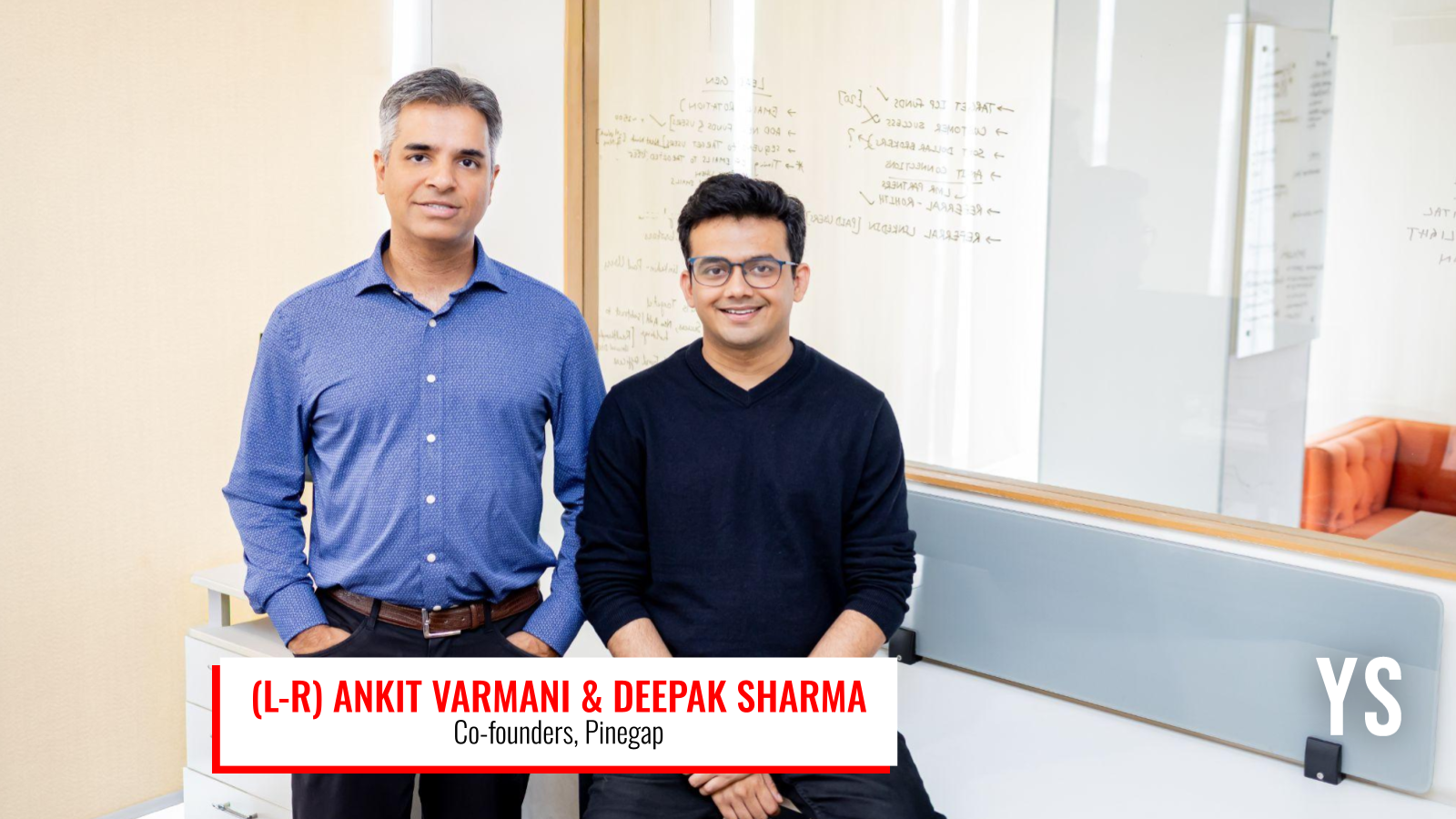
The essence of leadership transcends the products, services, or experiences we develop; instead, it's the profound inner wisdom we acquire throughout our journey. As T.S. Eliot's poem Little Gidding echoes, we explore relentlessly, and after all our explorations, we return to the starting point, knowing it for the first time. In 2017, Beri Meric, a seasoned professional, experienced firsthand the tumultuous phase of his company doubling in size over four years, only to face the risk of collapse.
During this critical juncture, Meric's Young Presidents' Organization forum imparted a crucial lesson: he was not the small entity struggling to sustain a large, vulnerable company but the cornerstone upon which the company was built and could be rebuilt. This realization encapsulates the concept of "Inside Out" leadership. Meric emphasizes that the key to effective leadership lies not in external success metrics but in the introspective relationship we have with our inner selves.
This approach demands a structured self-inquiry process, which Meric, founder of the leadership community IVY, has meticulously crafted over the past 16 years. He believes that self-knowledge requires scaffolding, such as recurring practices or a supportive community, to interrupt the autopilot of external performance and enable honest revelations.
Furthermore, Meric advises leaders to align their ambition with the outcomes they wish to achieve for clients or teams, tracing their steps back to the internal foundation required to deliver these results. A pivotal insight from Meric's leadership experiences is that the most transformative moments are often not wins but the interactions or failures that could have shattered us but instead shaped our identity.
Harvard Business School professor Amy Edmondson's concept of psychological safety underscores this point, describing these as undesired results in new territory, essential residues from taking genuine risks. As AI increasingly handles analytical and execution tasks traditionally performed by leaders, the value of the human-to-human, interior work is poised to rise, much like the appreciation for live concerts in a streaming era.
Meric's observation that when a company or team faces its own version of his 2017, the focus should shift from the small thing carrying the big thing to recognizing oneself as the big thing, leading from this perspective with integrity and presence.
Written by urgent.news from Fast Company's reporting — not their text. Machine-written — may contain errors; check the original before relying on it.