Pinegap raises $8M in Series A led by Stellaris Venture Partners
AI-driven equity research platform Pinegap said it will utilise this funding for its go-to-market and sales activities, expand the engineering team, and set up an in-house team of former equity research analysts.
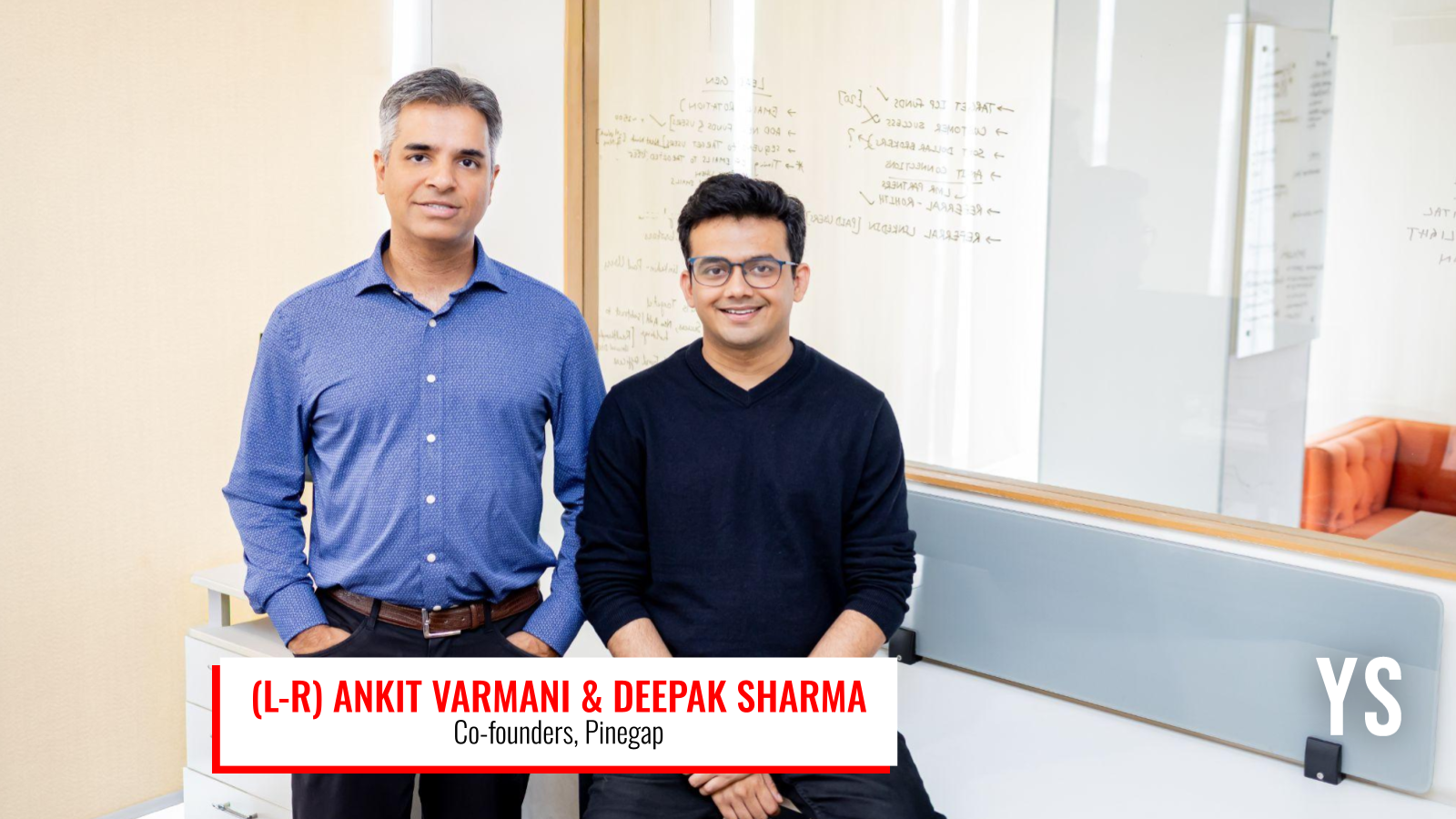
Pinegap, a New York-based AI-driven equity research platform with a technology center in Bengaluru, has secured $8 million in Series A funding led by Stellaris Venture Partners. This investment round also included participation from Inventus, Silicon Valley Quad, and DeVC. The funds will be utilized for go-to-market and sales efforts, expanding the engineering team, and establishing an in-house team of former equity research analysts.
Pinegap's AI technology automates daily workflows of institutional buy-side analysts, catering to hedge funds, long-only mutual funds, and registered investment advisors in the United States.
Founded in 2024 by Ankit Varmani and Deepak Sharma, Pinegap works closely with fund teams to understand their research processes, investment theses, and workflows. They then develop customized AI agents tailored to each fund's investment style, private data, and output formats. These agents are push-based, delivering outputs to analysts' inboxes on a schedule or triggered by market events, instead of waiting to be queried.
Pinegap has deployed over 1,000 agents across more than 100 institutional clients, generating over 50,000 research reports monthly.
According to Deepak Sharma, co-founder & CEO of Pinegap, "Every workflow we automate—be it an earnings preview, a company primer, or a thesis tracker—is time an analyst gets back to focus on what only they can do: judgment, conviction, and decisions." The startup recognizes that institutional asset managers are currently navigating an era marked by increasing data volumes, shortened research cycles, and heightened pressure on returns.
Pinegap aims to build the AI infrastructure that enables analysts to accomplish more within their existing time constraints, transforming repetitive aspects of the research process into a self-operating engine.
Written by urgent.news from YourStory's reporting — not their text. Machine-written — may contain errors; check the original before relying on it.
This story
This is one outlet's version. Read the fullest account.