Why the United States Keeps Losing Wars
Washington has a long record of fighting the wrong war for the wrong objective.
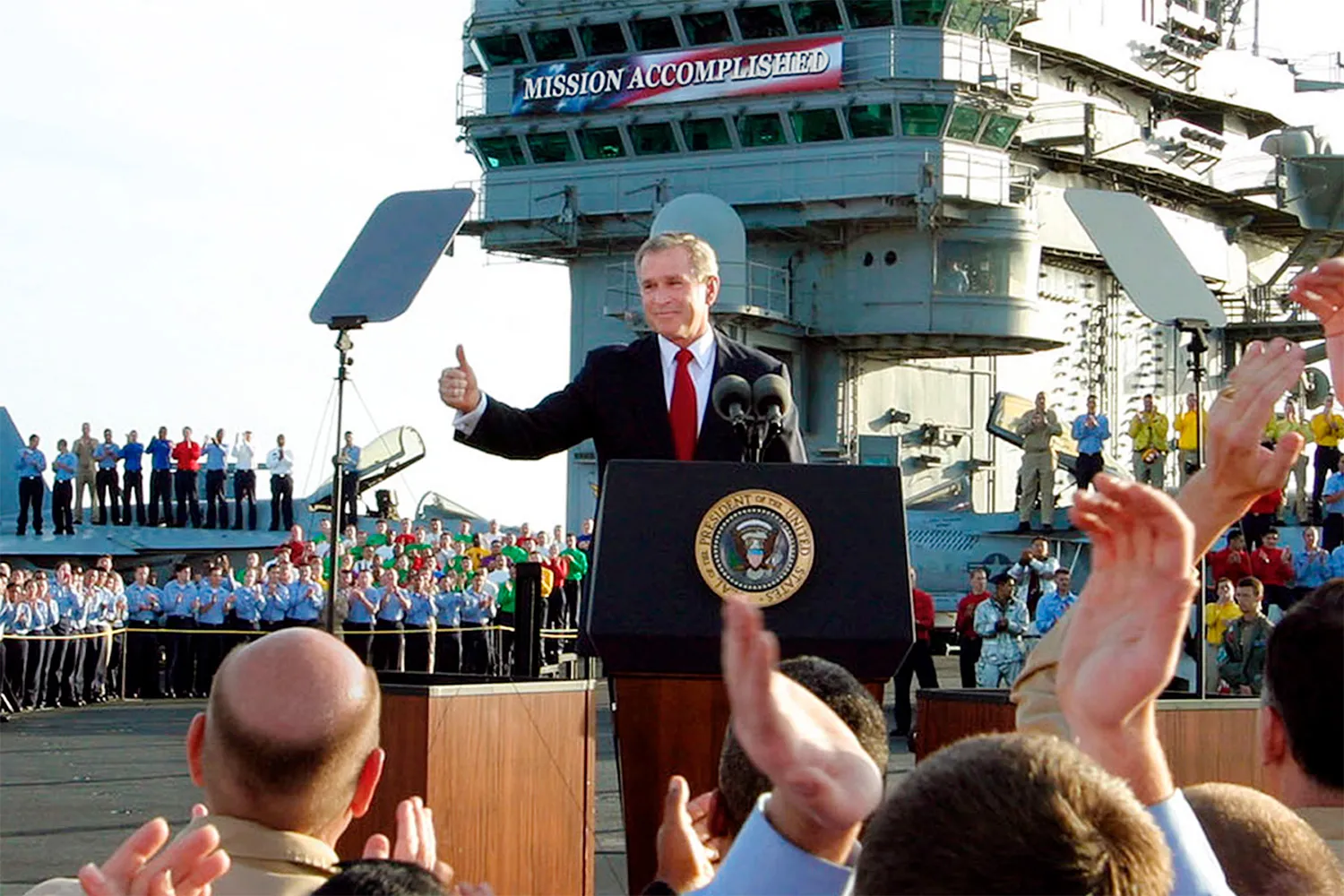
The United States finds itself repeatedly losing wars, despite possessing the world's most powerful military in terms of budget and capabilities. This paradoxical situation has been a source of frustration for many Americans. The reasons for these ongoing losses can be traced to strategic and structural factors rather than financial or military limitations.
The U.S. has engaged in wars driven by objectives that were modest in terms of national interest but exceedingly ambitious in scope. These conflicts often involved attempts to reshape foreign societies in the American image. As a result, adversaries became more determined to defend their nations, as they had much more to lose compared to the United States, which aimed to achieve less critical goals.
Examples of such asymmetric conflicts include the Korean War, Vietnam, Iraq, and Afghanistan. In each case, the U.S. faced formidable opponents with significant stakes in the outcome. In the Korean War, China sacrificed hundreds of thousands of troops to prevent a Communist victory, eventually leading to a stalemate. Similarly, in Vietnam, the U.S. faced a resilient and nationalistic enemy that proved difficult to defeat, ultimately resulting in a U.S. withdrawal due to public disillusionment.
In Iraq and Afghanistan, the U.S. sought to topple dictatorial regimes, but these governments were able to persevere due to their popular support and regional alliances.
The key takeaway from these historical examples is that the weaker side in such conflicts often wins by avoiding defeat and enduring the costs of prolonged warfare until the stronger power recognizes the futility of continued intervention. The United States, despite its formidable military power, has struggled to translate its resources into decisive victories due to these strategic and structural challenges.
Written by urgent.news from Foreign Policy's reporting — not their text. Machine-written — may contain errors; check the original before relying on it.