Why is Intel sharing its Atom CPU technology with a start-up? The answer could be in low-power x86 design
Rosaic, a new Delaware startup with former Rivos staff and ties to Intel's CEO, gained unusual licensing access to Intel's Atom chip technology.
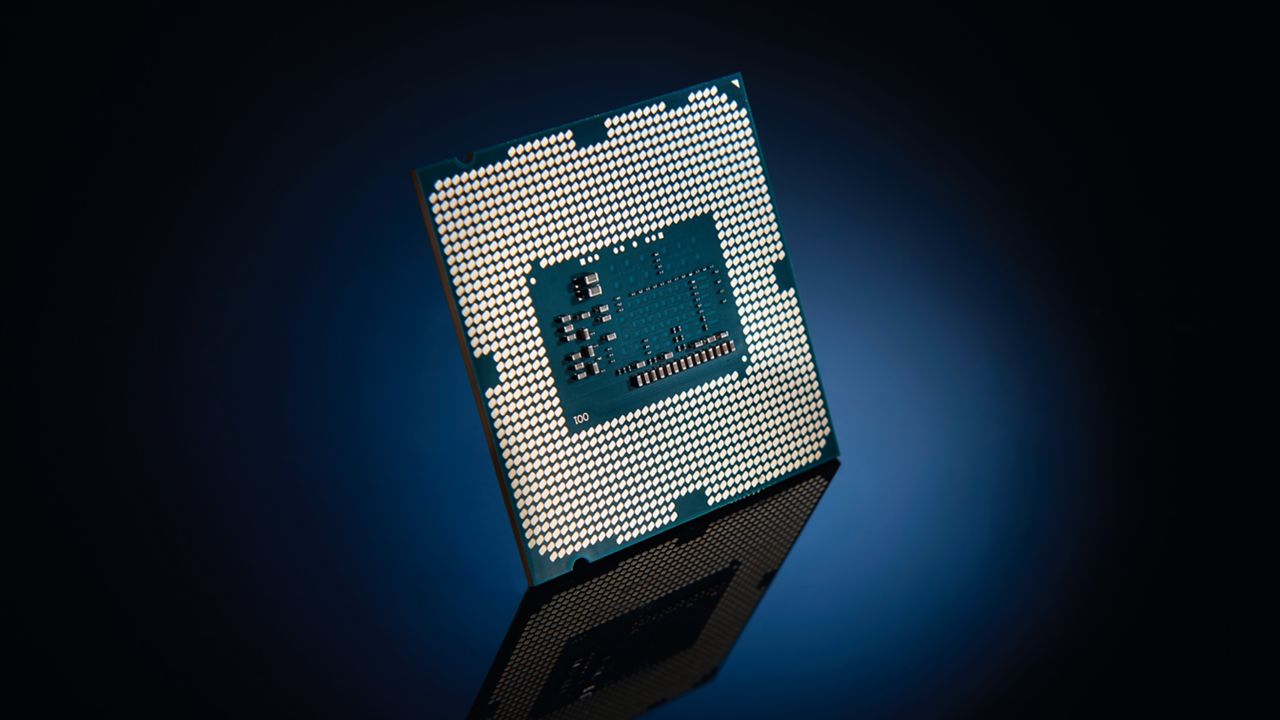
Intel has granted the newly-formed startup RosaicLabs access to a portion of its Atom chip technology, marking a rare instance where key aspects of the company's x86 intellectual property are being shared. This move, revealed by Reuters, involves providing RosaicLabs with register-transfer level (RTL) code that outlines processor functions before they are translated into physical silicon during manufacturing.
Atom technology was originally crafted for low-power computing applications, making it suitable for devices that prioritize efficiency, performance, and reduced energy consumption or heat generation.
Historically, Intel's Atom processors were utilized in entry-level systems, networking equipment, embedded devices, and other products where power efficiency is paramount over maximum performance. These processors run on the x86 architecture, a design chosen to provide Intel-based computing solutions for smaller, lower-power devices. The startup, RosaicLabs, is expected to receive the RTL code for Atom technology, enabling it to construct custom processor designs utilizing Intel's established architecture.
This access to Atom technology is somewhat unusual given Intel's typical approach of maintaining tighter control over its x86 intellectual property. The decision to share Atom technology with RosaicLabs is particularly noteworthy as Intel has been transitioning its low-power processor strategy away from Atom towards newer E-Core designs.
E-Cores, powered by Gracemont microarchitecture, are seen as successors to Atom-based designs in newer Intel products. It appears Intel might be considering certain aspects of Atom technology suitable for external licensing while reserving its latest designs for internal use.
Details surrounding the specific Atom technology RosaicLabs will receive remain unclear, though it could potentially include microarchitectures like Tremont. This particular microarchitecture was employed in Intel's Elkhart Lake and Jasper Lake processors, catering to embedded systems, low-power laptops, and Chromebooks. RosaicLabs, a Delaware-incorporated startup founded in May 2026, remains relatively obscure, with limited public information about its operations.
Its seed funding round, reported at $10 million, and its capital expenditure limit of $5 million without investor or board approval, highlight the company's early-stage status.
The founding team of RosaicLabs includes individuals with ties to former semiconductor firm Rivos, which was acquired by Meta for approximately $2 billion last year. Notably, RosaicLabs' CEO, Amarjit Gill, played a role in assembling Rivos' founding team alongside Intel CEO Lip-Bu Tan. Gill and Tan's shared experience includes early investments in Nuvia before Qualcomm acquired the company, further linking RosaicLabs' leadership to Intel's current executive team.
These professional relationships have garnered attention, although neither RosaicLabs nor Intel have publicly commented on how these connections may have influenced Intel's decision to share Atom technology.
Following the announcement, Intel's stock experienced a 12% increase, though this rise does not explicitly correlate with the licensing agreement. The implications of this agreement remain uncertain, with Intel's broader intentions unclear until RosaicLabs divulges its plans for future processor development.
Written by urgent.news from TechRadar's reporting — not their text. Machine-written — may contain errors; check the original before relying on it.