Why IPO hype always comes before the fall
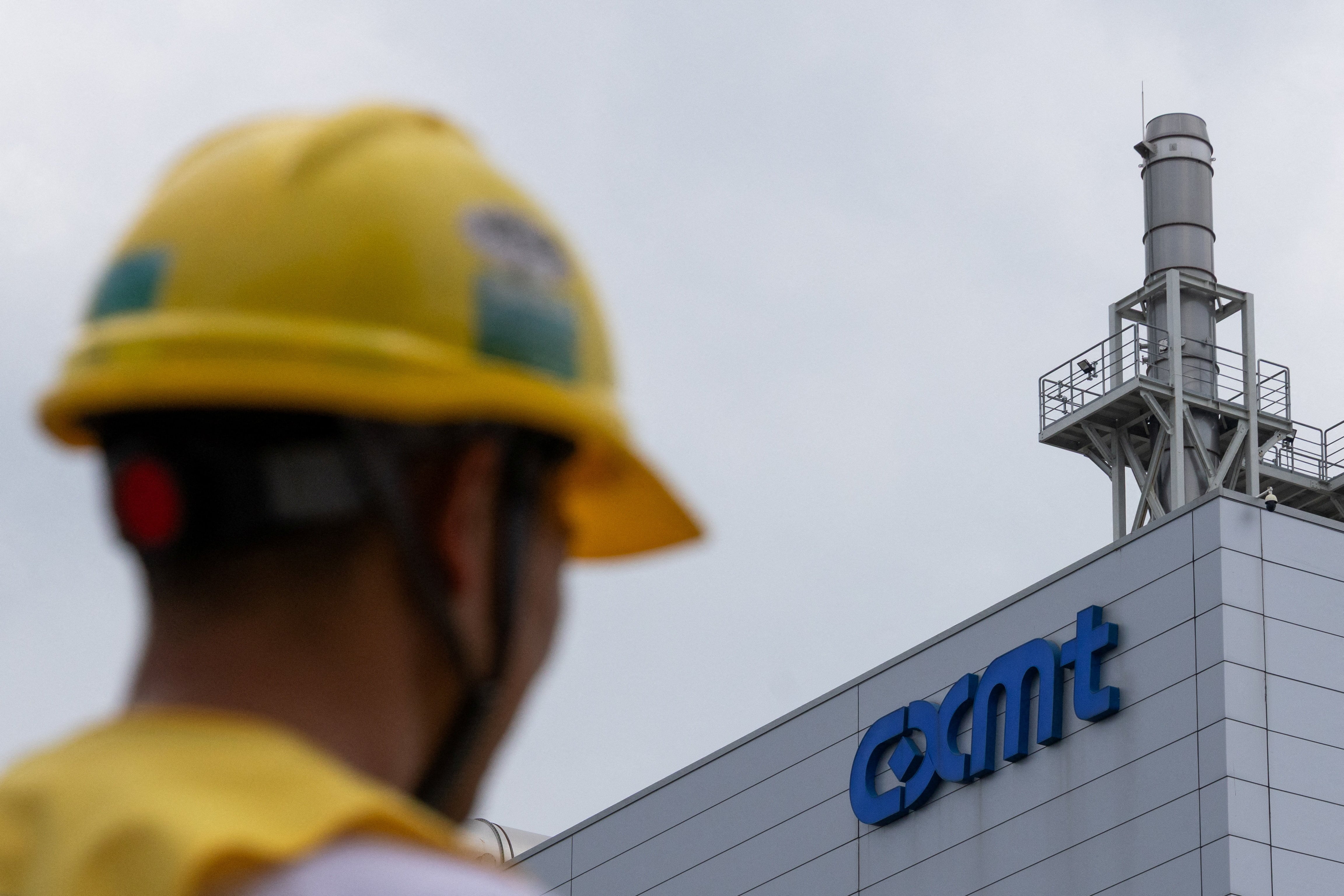
Following the hotly hyped debut of SpaceX in America and the booming Shanghai listing of Chinese semiconductor company ChangXin Memory Technologies (CXMT), initial public offerings are being eagerly anticipated globally. Many investors salivate over the possibility of buying into OpenAI, Anthropic, Databricks or Anduril early and riding the flashy upstarts to riches. But that excitement offers a…
IPO hype, a recurring phenomenon, typically precedes a decline in stock prices. This trend has been observed for decades, with technology and artificial intelligence-focused firms currently at the forefront. The excitement surrounding these companies stems from the high expectations of investors and the desire of founders and early investors to maximize their benefits from selling ownership stakes to the public.
The June debut of SpaceX, which became the largest IPO in history, exemplifies this pattern. Despite its impressive initial price increase, SpaceX's shares have since fallen below the original listing price. Similar trends can be seen with other high-profile IPOs like Magnora Data Center, Verisure, and WeRide, all of which experienced significant price drops shortly after their debuts.
The reasons behind this phenomenon are multifaceted. Founders and early investors desire to sell their shares at a high price, while IPO buyers are eager to purchase at a low price. This knowledge gap contributes to the overpricing of IPOs. Furthermore, the flashy marketing efforts from investment banks exacerbate the divide in expectations between buyers and sellers.
While some IPOs may soar initially, the majority tend to stumble. Even those that experience a rapid rise often relinquish all early gains and more. For instance, SpaceX experienced a surge of up to 67% above its IPO price but quickly fell back below the initial listing price within a month. Other companies, such as Norway's Magnora Data Center and Switzerland's Verisure, also displayed similar patterns of rapid gains followed by significant declines.
The historical data supports this pattern. Since 1990, 52% of US IPOs have lagged the broader market in their first month, with a median loss of -0.3%. Three months after listing, 60% of these firms fell short by a median of -5%, and six months later, 63% lagged by -11%. Over the long term, this trend becomes even more pronounced, with 70% of US IPOs lagging near -20% to -35% in the first and second years, respectively.
Investors should approach IPOs with caution, taking into account the potential for inflated expectations and the challenges of selling shares at a profit. While some may argue that large-name recognition guarantees success, history has shown that this is not always the case. The allure of being part of a groundbreaking IPO can lead to overconfidence, resulting in poor investment decisions. Ultimately, investing requires diligence, wisdom, patience, and discipline, rather than chasing the next hype-driven opportunity.
Written by urgent.news from The National UAE's reporting — not their text. Machine-written — may contain errors; check the original before relying on it.