Why AI is making work faster, not better.
AI speeds up tasks, but fragmented systems still prevent genuinely productive work
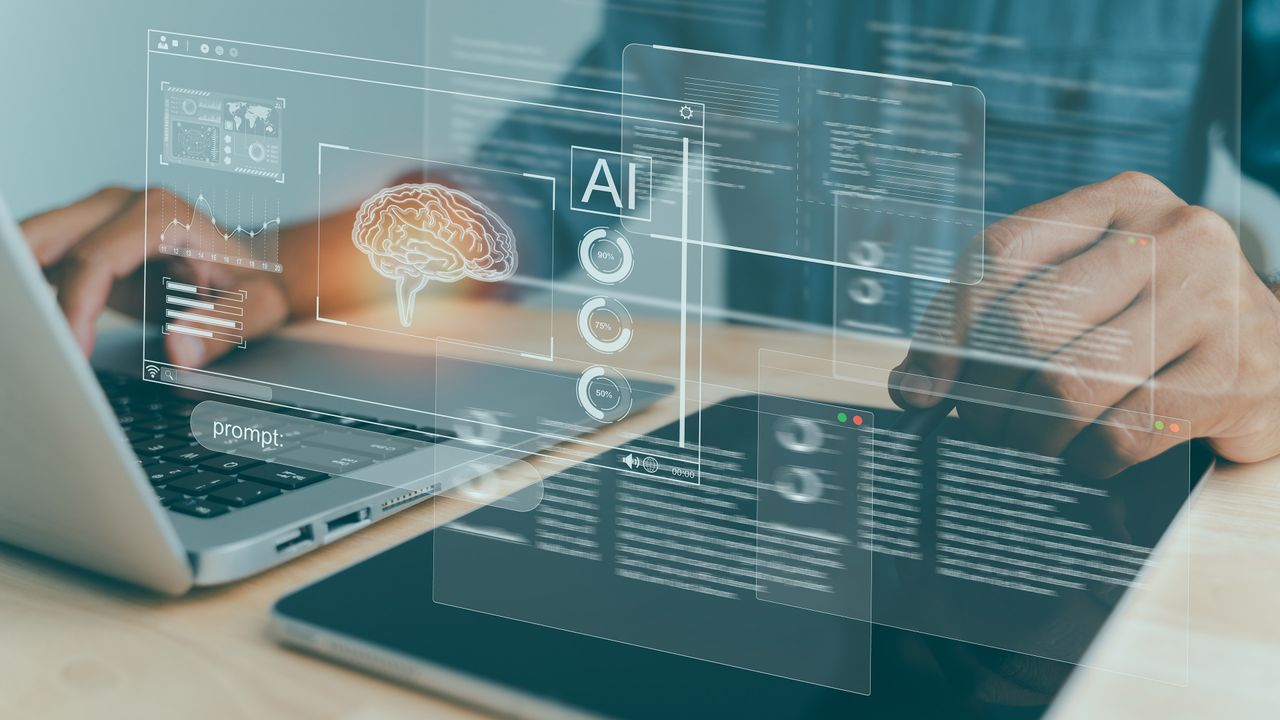
Artificial intelligence is often touted as a productivity savior, promising faster outputs and smarter tools. However, the reality for many professionals is a different story. Work feels quicker, yet also more fragmented, reactive, and exhausting. The promise of efficiency is present on paper, but the true experience tells a different story.
A typical working day is spent switching between various tools such as email, calendar, task management, notes, messaging platforms, and documents. Each tool holds a piece of the puzzle, but none provide the full picture. As a result, individuals become the system that stitches together these fragmented elements. They check emails, jump to calendars to understand context, open task lists to find relevance, respond to messages, and delve into previous threads to grasp agreed-upon actions. This is not the work itself; it is the management of work.
When AI tools are introduced, they can summarize emails, draft responses, transcribe meetings, generate notes, and even suggest tasks. While each capability is impressive, they don't address the fundamental problem of managing work. Instead of streamlining the process, AI amplifies it by adding more tools and their respective AI layers. Users find themselves managing everything themselves, just faster.
Defining success as speed alone is a flawed approach. Speed without context is a blunt instrument. Responding faster does not necessarily equate to being more productive if the focus is on the wrong priorities or generating output without moving meaningful work forward. The core friction in modern work lies not in executing tasks, but in the constant need to decide what matters, reconstruct context, and align fragmented information across multiple systems. Currently, AI rarely tackles this crucial layer.
WarpSpeed has taken a different approach to this problem. Rather than focusing on making tasks faster, the company started by identifying why work feels disjointed in the first place. The answer is straightforward: everything is scattered. Email lives in one place, calendar in another, tasks elsewhere, notes in yet another location.
Every decision requires jumping between these systems. To address this, WarpSpeed has developed a connected environment where context flows naturally between tools. This system understands the relationship between communications, commitments, and priorities, rather than treating each tool as a standalone entity.
The result is a more seamless experience. For instance, when someone asks, "What should I focus on today?" the assistant draws on overdue tasks, unread emails, upcoming meetings, and previous commitments, reflecting the reality of that person's day. These incremental changes, while seemingly minor, have shown significant improvements in processing large volumes of emails and reducing friction in communication.
To truly deliver on the promise of productivity with AI, the industry must rethink its approach. First, tools should be connected systems rather than isolated features. This exponential increase in AI's value comes from its ability to operate across the entire workflow. Second, AI should be personalized based on how individuals work, their priorities, and decision-making processes.
Lastly, the focus should shift from output to outcome. The goal should be to move work forward in a meaningful way, not just generate content or complete tasks.
However, achieving this is no easy feat. It requires rethinking product design, data architecture, and user experience at a fundamental level. It also necessitates a degree of restraint, opting for fewer moving parts over adding more features. Ultimately, as AI becomes more powerful, simplicity becomes increasingly crucial. Productivity at scale depends on removing the need for complex decision-making, making intuition more valuable than ever. After all, productivity isn't about doing more things; it's about doing the right things.
Written by urgent.news from TechRadar's reporting — not their text. Machine-written — may contain errors; check the original before relying on it.