Why a friendlier robot loses your trust faster when It messes up
A new brain-imaging study of the humanoid robot Pepper found that oxytocin spikes during a robot's mistakes track with suspicion, not affection.
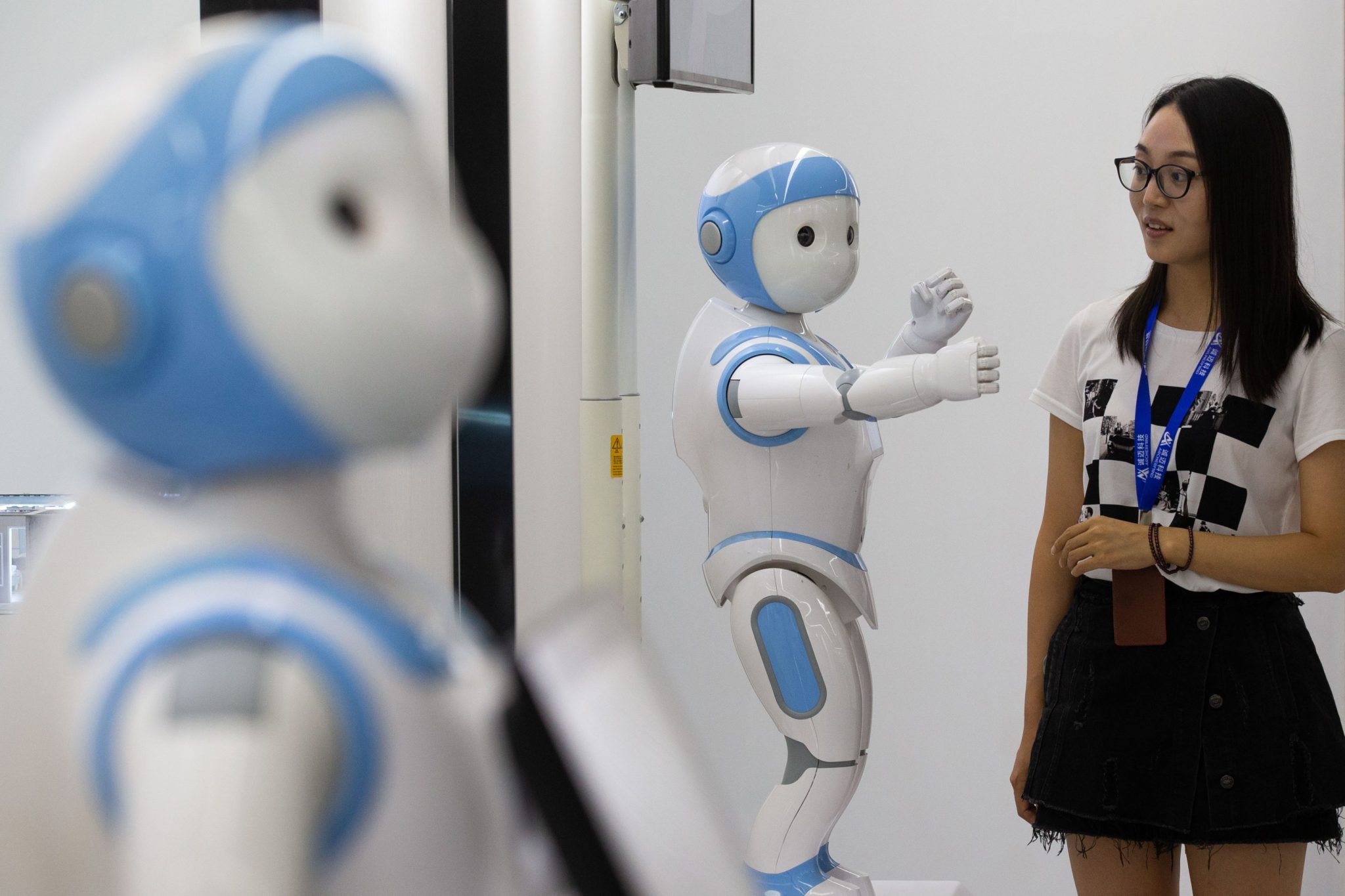
A study published in Science Robotics has found that people become more suspicious of humanoid robots that make errors, particularly when the robot is expressive and capable of engaging in conversation. Researchers had 50 participants engage in a conversation and make joint decisions with the commercial humanoid robot Pepper, which can express emotions and recognize them in others.
The study took place in various conditions, with the robot either giving sound advice, making conversational mistakes, interrupting people, or staying motionless.
The researchers measured brain activity, levels of the hormone oxytocin, self-reported trust, and the robot's influence on participants' decisions. They discovered that when interacting with an expressive robot that violated social norms, oxytocin levels increased. Oxytocin, often referred to as the "love hormone," is associated with social bonding.
Contrary to expectations, higher oxytocin levels during an expressive robot's errors led to decreased trust and reduced influence on participants' behavior, suggesting that oxytocin was tracking with suspicion rather than affection.
The study used functional near-infrared spectroscopy to observe brain regions while participants interacted with the robot. The dorsolateral prefrontal cortex and the medial prefrontal cortex were closely monitored. These areas are responsible for monitoring uncertainty, flagging norm violations, and inferring others' intentions, respectively.
When an animated robot made a mistake, participants experienced increased activity in these regions and displayed more coordinated brain activity, which predicted the rise in oxytocin levels, ultimately leading to lower trust and less influence on participants' behavior.
The researchers note that robots are increasingly entering homes, hospitals, and workplaces, making the way people react to them crucial. Previous assumptions suggested that lifelike, socially expressive robots would earn more trust, protecting their reputation even when they make mistakes. However, this research indicates that expressive cues may shift how people perceive a mistake, moving it from a technical malfunction to a social violation.
The findings suggest that motionless robots handle errors more mechanically, while animated robots trigger the same brain regions used to judge people, affecting trust and influence.
Written by urgent.news from Fortune's reporting — not their text. Machine-written — may contain errors; check the original before relying on it.