From faded letters to WeChat: How some Teochew families in Southeast Asia are finding long-lost relatives
Following the success of Chinese box office hit Dear You, more Singaporeans and Malaysians of Teochew descent are turning to a volunteer network in China to trace their roots and reconnect with long-lost relatives.
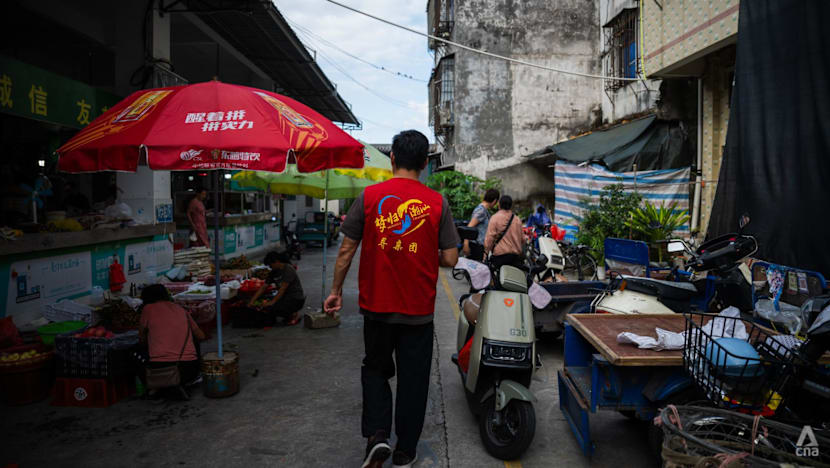
In recent years, Teochew families of Singaporean and Malaysian descent have been turning to a volunteer network in China, through the WeChat messaging platform, to trace their lost relatives. The surge in interest is partly due to the box office success of the film Dear You, which tells the story of Teochew villagers who migrated to Southeast Asia during the 1940s. This film has helped descendants understand the journeys of their ancestors and reignite a desire to reconnect with lost relatives in their ancestral villages.
The Chaozhou Volunteer Association for Reuniting Overseas Chinese Families, a group of over 3,000 volunteers spread across Guangdong, Fujian, and Jiangxi provinces, has been instrumental in facilitating these reunions. Since its founding in 2016, the group has recorded 1,097 successful cases of family reunions, including 145 cases involving overseas Chinese communities from Southeast Asian countries, Canada, France, and the United States. Among these, 83 successful cases have been from Malaysia and 22 from Singapore.
The volunteers use WeChat to communicate and share information, including faded photographs, genealogy records, and even grave inscriptions, to help potential matches confirm their family connections. Volunteers assign cases to relevant members who verify clues and information on the ground, often consulting clan elders and reviewing genealogy records before putting the two sides in touch, usually through WeChat groups or phone calls.
The work is entirely voluntary and sustained by the efforts of volunteers who contribute their own time and resources. They do not charge for cases and publish details of any sponsorship received on a monthly basis. While some initial matches have turned out to be incorrect after further verification, the volunteers continue their search until the right connection is confirmed.
Searches that were once reliant on letters have been significantly accelerated by technology, with some cases now being resolved within half an hour.
Written by urgent.news from Channel News Asia's reporting — not their text. Machine-written — may contain errors; check the original before relying on it.
This story
This is one outlet's version. Read the fullest account.
- Winds of Change: Geopolitics at the crossroads of South and Southeast Asia island.lk
- Indonesia-Thailand ties influence Southeast Asia development: Prabowo en.antaranews.com
- Southeast Asia’s factory activity bounces back from 11-month low freemalaysiatoday.com
- Southeast Asia's streaming success spurs filmmakers' global hopes asia.nikkei.com