What’s Behind the Violence in Pakistan-Administered Kashmir
The region has become ground zero for protests against poor governance.
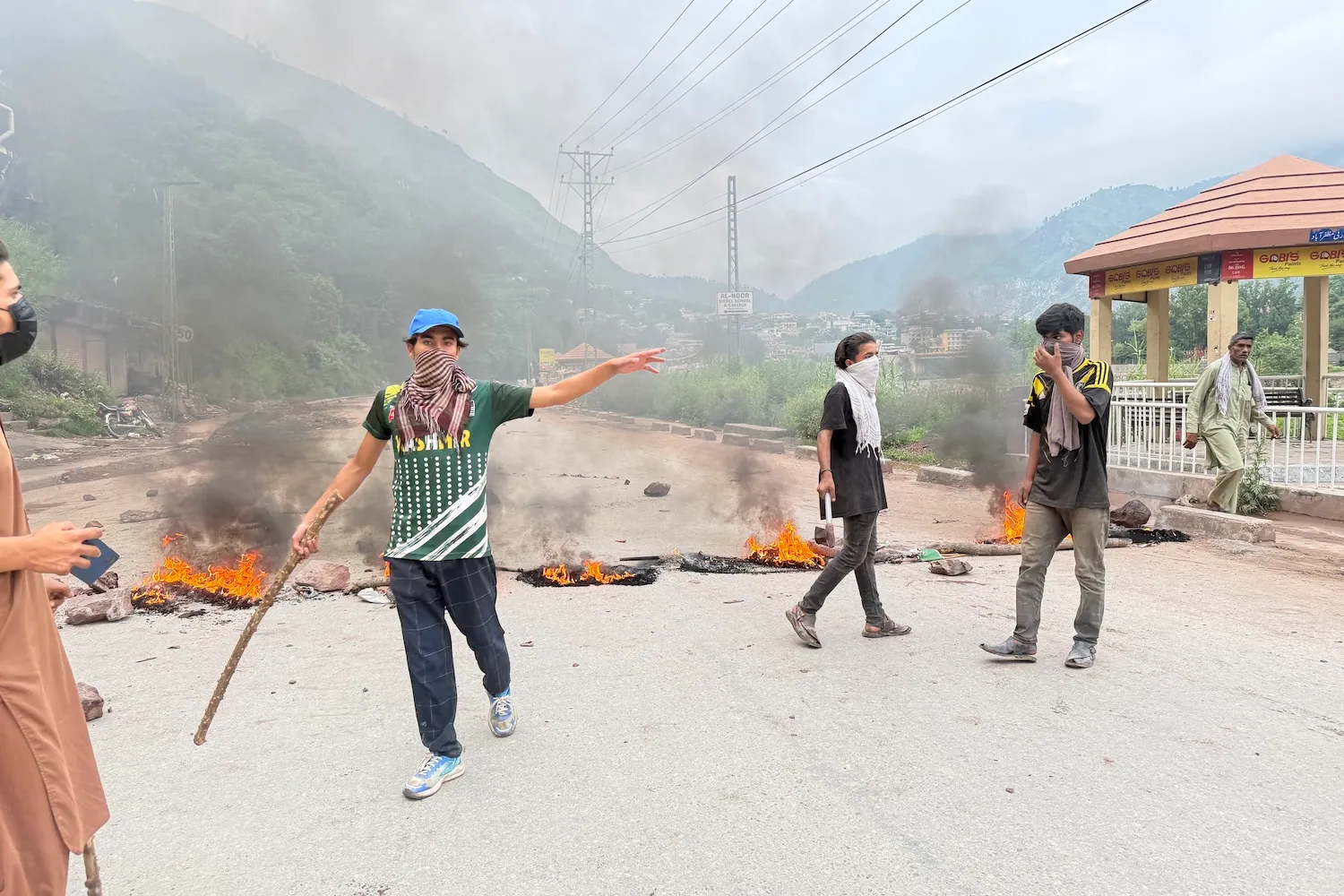
Political unrest has gripped Pakistan-administered Kashmir for two months, leading to deadly clashes between protesters and security forces. The crisis intensified during local elections held from July 27 to August 10 in three phases. Local authorities had cut internet access in June, leaving information gaps that critics filled with fake videos of street massacres.
Pakistani media faced threats for reporting on the unrest, limiting coverage to the elections. However, international correspondents recently entered the region, providing a clearer picture of the situation.
The unrest is primarily driven by the Joint Awami Action Committee (JAAC), a group formed in 2023 that initially demanded lower food and energy prices. However, the group has expanded its demands to include the removal of a constitutional clause giving 12 seats in the legislature to refugees from Indian-administered Kashmir. The JAAC argues that these refugees do not reside in Azad Jammu and Kashmir, and the seats are being exploited for political gain.
After their demands were rejected by the region's government and supreme court, the JAAC announced a march to Muzaffarabad, but local authorities arrested some leaders and banned the group. Clashes with security forces ensued, leading to a general strike and widespread business shutdowns.
At least 40 people have been killed since June in protests, according to varying estimates. The authorities claim the JAAC is a terrorist organization, justifying the use of force against violent protesters. However, the JAAC insists it is a peaceful movement demanding better healthcare and cheaper electricity. Despite the crisis, Pakistan's leaders have a strong incentive to resolve the situation swiftly, as they want the world's attention focused on their mediation efforts in the Iran war rather than internal repression.
Ending the crisis peacefully will require dialogue, but the high emotions and repressive political environment may make that difficult in the near term.
Written by urgent.news from Foreign Policy's reporting — not their text. Machine-written — may contain errors; check the original before relying on it.