These mice live on volcano summits at extreme elevations. Study finds how
The Andean leaf-eared mouse thrives at extreme elevations where most other mammals wouldn’t survive. At these altitudes, oxygen levels are low; temperatures are permanently below freezing; and humans can’t survive for long without oxygen masks and insulated clothing. Yet, the mighty mouse is right at home, and scientists have now figured out the biological adaptations […]
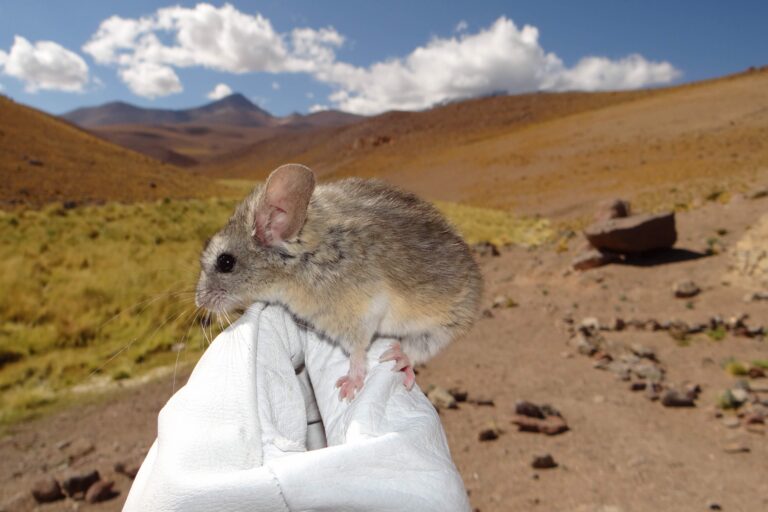
The Andean leaf-eared mouse is a resilient rodent species capable of surviving at extreme elevations where other mammals struggle to exist. These mice inhabit altitudes ranging from sea level in northern Chile to over 6,700 meters (22,000 feet) on the summits of volcanoes in the central Andes Mountains. To uncover the biological adaptations that enable these mice to thrive in such inhospitable conditions, researchers collected 167 leaf-eared mice spanning from sea level to their highest altitude homes in the Andes.
By simulating elevations up to 7,000 meters (22,966 feet) in a laboratory setting, scientists discovered that the highland Andean leaf-eared mice were more efficient in using oxygen in their skeletal muscle and generating body heat compared to their lowland counterparts. Additionally, the researchers sequenced the genomes of the leaf-eared mice and found that they possess genetic adaptations for metabolizing toxins present in plants, a discovery that was unexpected.
Study co-author Jay Storz remarked on this unexpected finding, highlighting the significance of the genetic adaptations in the mice's ability to metabolize dietary toxins.
Written by urgent.news from Mongabay's reporting — not their text. Machine-written — may contain errors; check the original before relying on it.